


⚡ TL;DR: This comprehensive guide provides Columbia homeowners with essential strategies to manage hardwood floor water damage, offering expert advice on effective drying techniques and the importance of structural preservation.
📋 What You’ll Learn
Water damage can compromise your beautiful hardwood floors in Columbia, SC, but swift action saves them. Discover how local climate conditions and expert techniques help preserve your home’s value effectively.
- Identify urgent mitigation steps that help you stabilize your Columbia home immediately following a pipe burst or flood event to prevent irreversible warping and long term structural flooring damage.
- Understand why local humidity levels contribute significantly to hardwood decay, forcing you to prioritize professional moisture extraction techniques over standard DIY drying methods to ensure complete floor recovery.
- Detect hidden subfloor saturation that often leads to dangerous mold growth beneath your planks, helping you address invisible threats before they compromise the integrity of your historic home.
- Compare restoration strategies carefully to select the best plan for your specific wood type, ensuring that your choice balances long term durability with the aesthetic needs of your space.
📖 Reading time: 7 min
✍️ Author expertise: Columbia restoration expert with years of on-site experience repairing local water damaged homes.
You wake up to a strange, damp smell and the sickening sight of your beautiful hardwood floors cupping and buckling right before your eyes. That floor wasn't just a surface; it was a major investment that just turned into a ticking time bomb of rot and mold.
Most homeowners in Columbia think they can just wipe up the spill and wait for the boards to shrink back into place. That is the exact mistake that forces people to rip out their entire floor a month later when the wood starts to grow black mold underneath.
If you act fast, you can save your investment and keep your home from falling apart. Here is exactly how to stop the destruction before it becomes permanent.

Immediate Mitigation Steps: How to Stabilize Columbia Homes After a Water Incident
Time is your worst enemy when water touches your hardwood. You must stop the moisture from migrating further into the boards or, worse, down into the subfloor.
First, cut the water source immediately. If it is a burst pipe or a leaking appliance, shut the main valve off right now.
Grab a shop vacuum and start removing standing water. Do not wait for it to soak in; every second of contact time counts.
Once the surface water is gone, use these tactics to slow down the damage:
- Set up high velocity air movers or box fans to circulate air directly across the affected floor surface.
- Use a dehumidifier on the highest setting to pull excess moisture out of the air.
- Open windows if the outdoor air in Columbia is drier than the air inside your home.
- Clear out furniture or heavy items that might trap moisture underneath and prevent drying.
Never use heat lamps or hair dryers to force the wood to dry. Sudden, intense heat will cause the wood to warp and crack, turning a repairable situation into a complete floor replacement.
Focus on maintaining a steady, consistent airflow to stabilize the environment. If the floors are already cupping, do not try to walk on them; you might cause permanent compression set where the wood fibers lose their shape forever.
Why Columbia’s Humidity Accelerates Hardwood Floor Decay
Columbia is not just known for its Southern charm, it is famous for its relentless humidity. When water spills onto your hardwood, the air around it creates a perfect storm for rapid decomposition.
Most wood species act like a sponge. In our local climate, the high moisture content in the air prevents the wood from drying out on its own. This trapped moisture creates an incubator for biological hazards.
The Science of Southern Decay
Hardwood floors breathe. They expand when the air is thick with humidity and contract when it is dry.
When you have a water leak, the wood absorbs liquid from below while the high ambient humidity stops it from releasing vapor upward. This causes the internal cells of the wood to permanently rupture.
- Fungal spores thrive in environments above 60% relative humidity.
- Floorboards lose structural integrity as their glue and finish bonds begin to dissolve.
- Cupping patterns reveal that the bottom of the board is wetter than the top surface.
Ignoring this reality is like leaving a wet towel in a dark closet for weeks. The wood fibers become soft, spongy, and inevitably prone to rapid microbial colonization. You are not just dealing with a stain; you are fighting a race against rot that the South Carolina climate is currently winning.
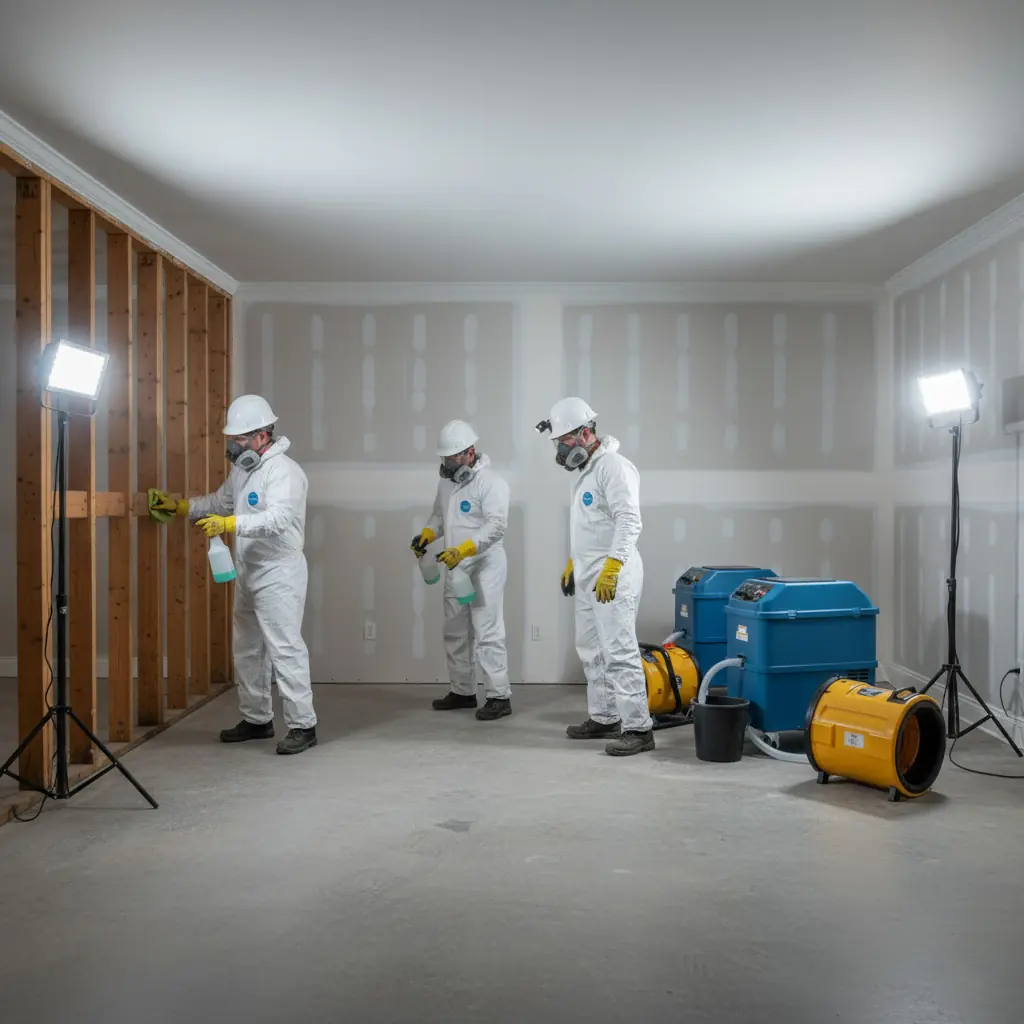
Professional Drying Techniques vs. DIY Approaches: A Comparison Table
When your hardwood floors start to cup, the instinct is to grab a stack of towels and a box fan. That is a trap. You are likely only drying the surface while moisture festers in the grain and subfloor.
| Feature | DIY Approach | Professional Restoration |
|---|---|---|
| Equipment | Household fans & towels | Industrial dehumidifiers & mats |
| Detection | Visual inspection | Moisture mapping sensors |
| Speed | Slow evaporation | Rapid moisture extraction |
| Risk | High mold potential | Minimized decay |
Professional restoration in Columbia goes far beyond blowing air across the room. We deploy specialized dewatering systems that pull moisture directly out of the wood planks without warping them further.
DIY methods often fail because they lack the capacity to treat the subfloor saturation underneath the planks. If you leave water trapped beneath the wood, you are essentially incubating a mold colony in your own living room.
Consider these critical differences when choosing your path:
- Targeted Extraction: Professionals use injecti-dry mats to force dry air through the wood fibers.
- Atmospheric Control: We balance the humidity of the entire room to prevent the wood from swelling even more.
- Precision Data: We use thermal cameras to find hidden pockets of water you cannot see with the naked eye.
Hidden Dangers: Identifying Subfloor Saturation and Structural Mold Growth
Most homeowners assume that if the surface of the floor looks dry, the crisis has passed. In reality, the water you see is only the tip of the iceberg.
Wood is a sponge. If moisture has traveled through gaps in your planks, it is likely pooling in the subfloor beneath your feet.
This trapped moisture creates a dark, stagnant environment that is the perfect breeding ground for toxic organisms. You need to look for these early warning signs that the damage has moved beneath the surface:
- Musty, earthy odors that refuse to go away after cleaning.
- Soft or spongy spots when you walk across specific areas of the room.
- Increased allergy symptoms or respiratory irritation among family members.
- Discoloration appearing along the edges of baseboards or door frames.
The Silent Decay
When subfloors stay wet, structural rot happens faster than you think. You might feel fine about the floor today, but the hidden mold colonies are already feeding on the organic materials supporting your home.
If left unchecked, this moisture will seep into your joists and wall cavities. Once the mold takes root in the structure, you are not just looking at replacing boards anymore; you are looking at a full scale remediation project that can cost thousands of dollars.
Do not wait for visual proof. By the time you see actual black growth on your floorboards, the internal damage to your subfloor is already advanced and dangerous.
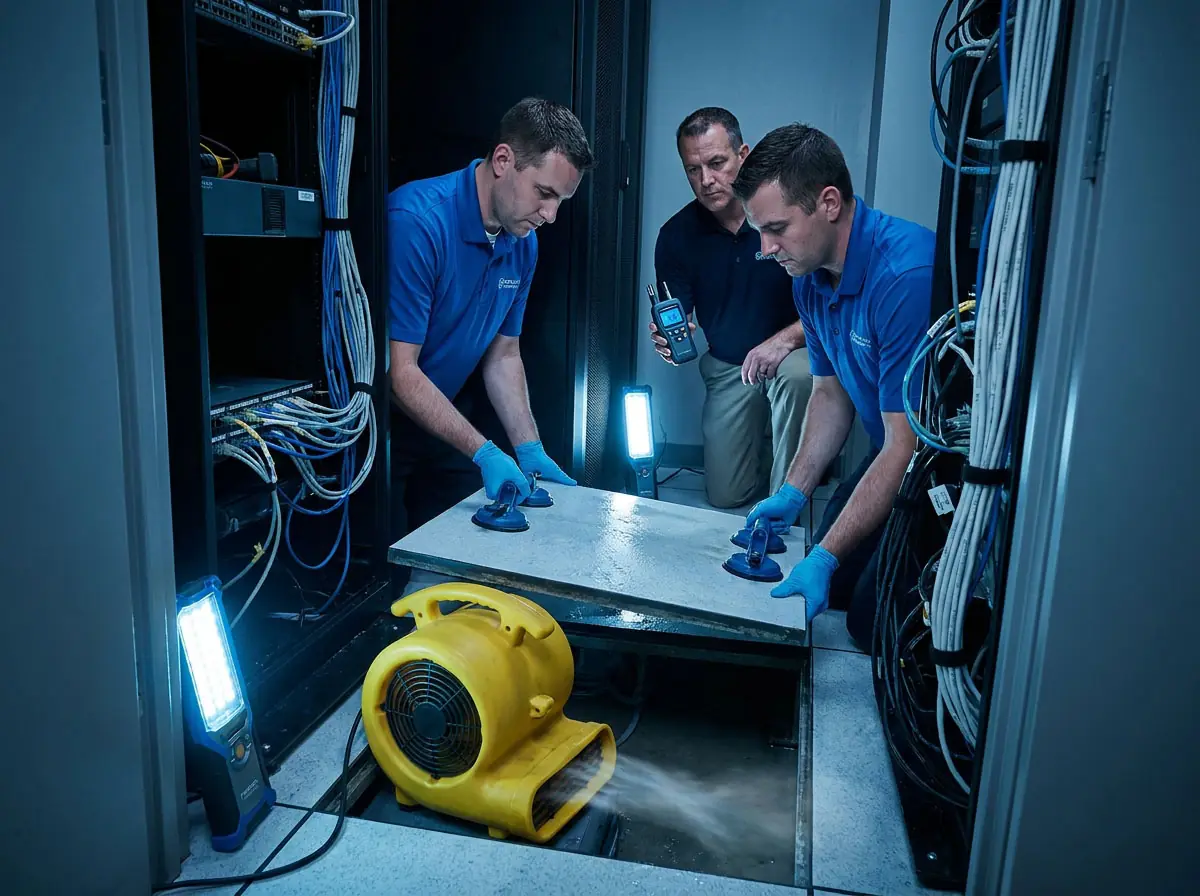
Restoring a Columbia Historic Home: A Case Study in Hardwood Preservation
Columbia is home to stunning historic properties, many of which feature original heart pine or early twentieth-century oak flooring. These floors have survived decades, but they are incredibly sensitive to modern water intrusion. When a pipe bursts in an older home, the wood acts like a giant sponge. Because these materials are often denser and older, they behave differently than modern factory-finished planks.
We recently handled a rescue mission in the historic Elmwood Park district. A leaking radiator had saturated over four hundred square feet of original pine. The homeowners were told by general contractors to tear it out and replace it with modern engineered wood. We disagreed. By using low-grain moisture desiccant drying, we saved the original character of the home.
Key Factors in Historic Flooring Restoration
Restoring these floors requires a different playbook than patching a modern subdivision build. You cannot simply blast heat into an old house and expect success. You risk splitting the grain or causing the wood to crack permanently.
- Acclimatization: Older wood has been stable for nearly a century; radical temperature changes during drying will shock the fibers.
- Subfloor Assessment: Historic homes often feature diagonal pine subfloors that trap moisture in tight gaps, requiring specialized suction equipment.
- Finish Integrity: Historic finishes are often shellac or wax-based, which react poorly to harsh chemicals or high-temperature drying cycles.
The goal is to bring the moisture content down slowly and steadily. If you rush the process, you lose the patina that makes these Columbia homes valuable. When you treat historic wood with the respect it deserves, you preserve the soul of the house rather than just replacing it with something sterile and new.
Selecting the Right Restoration Strategy for Your Specific Flooring Type
Not every floor responds to water the same way. The restoration strategy depends entirely on whether you have solid hardwood, engineered wood, or high-end laminate.
Solid wood planks offer the best chance for sanding and refinishing, but they are incredibly prone to deep cupping. Conversely, engineered floors often trap moisture between their layers, which can lead to rapid delamination that makes salvage impossible.
Before you commit to a restoration plan, you need to identify the specific vulnerabilities of your material:
- Solid Hardwood: Thick enough to undergo multiple sanding cycles if the moisture content is brought down slowly.
- Engineered Flooring: Often requires complete replacement if the core layer becomes saturated, as it loses its structural integrity.
- Parquet Patterns: Highly sensitive to humidity shifts; these require precise tension-release cuts to avoid permanent buckling.
- Exotic Woods: These species have different density levels and oil contents, requiring specialized drying cycles to prevent checking or splitting.
If you guess wrong, you end up paying for a restoration that fails within weeks. Professional moisture mapping is the only way to know if your specific floor type can actually be dried out or if the damage has compromised the tongue and groove joinery beyond repair.
Final Words
Your hardwood floors are not just wood planks; they are the heart of your home’s character and value. When water strikes, you are in a race against physics, where every hour of delay turns a minor repair into a full-scale demolition job.
Do not wait for the boards to stop cupping on their own. By that point, the moisture has likely moved deep into your subfloor where you cannot see the damage until the rot sets in.
To prevent long-term structural failure, keep these rules in mind:
- Stop the source immediately to prevent more water from feeding the wood fibers.
- Use professional-grade air movers rather than box fans to force moisture out of the floor pores.
- Monitor humidity levels in your home religiously until the moisture content returns to baseline.
If you are serious about saving your home, you must prioritize professional assessment. Ignoring the early signs of Hardwood Floor Water Damage is the fastest way to lose your equity and your peace of mind. Reach out to specialists who understand the unique humidity challenges we face here in Columbia before a simple leak becomes a catastrophe.
People Also Ask
Can hardwood floors be saved after water damage?
Yes, hardwood floors can often be restored if professional mitigation begins within 24 to 48 hours. Quick intervention prevents permanent warping, cupping, and the growth of harmful bacteria.How do I know if my subfloor is wet under the wood?
You can identify subfloor saturation by looking for cupping, loose floorboards, or a musty odor that persists after the surface appears dry. According to the EPA guidelines, moisture trapped beneath floors poses a significant risk for long-term structural decay and air quality issues.Does Columbia, SC humidity affect floor restoration?
High humidity in South Carolina slows the drying process and creates an environment where mold thrives rapidly. Professional restoration teams must use industrial dehumidifiers to counteract local climate conditions and stabilize the home environment.Is it cheaper to replace or refinish water damaged floors?
Refinishing is typically more cost-effective than a full replacement if the structural integrity of the wood remains intact. A professional assessment will determine if the water damage is superficial or if the underlying boards are compromised beyond repair.How long does it take to dry hardwood floors?
The drying process generally takes several days to a week depending on the volume of water and the type of wood involved. We use moisture mapping tools to ensure every layer of your flooring is completely dry before we finalize the restoration.Need Water Damage Restoration Services?
We provide rapid water damage mitigation and restoration services to property owners throughout Columbia and the surrounding communities. Our team arrives quickly to extract water and prevent structural damage, restoring your home or business to its pre-loss condition (29201, 29203, 29205, 29209, 29223).
Request Price Estimate