


⚡ TL;DR: Homeowners in Bloomington should avoid costly fire damage restoration mistakes by hiring qualified professionals, documenting property losses properly, and addressing secondary issues like mold growth to ensure recovery.
📋 What You’ll Learn
After a fire strikes your Bloomington home, navigating the recovery process can be overwhelming. This guide outlines essential strategies to avoid common pitfalls and ensure your property restoration proceeds safely and effectively.
- Identify hidden soot hazards that standard cleaning methods often overlook, requiring professional industrial equipment to prevent long term respiratory risks and permanent damage to your home surfaces.
- Protect your insurance claim by learning the exact documentation steps required to secure your financial recovery and prevent disputes with adjusters throughout the entire fire restoration process.
- Combat secondary moisture damage resulting from firefighting efforts that frequently leads to aggressive mold growth if not addressed by specialized drying and remediation techniques within your home.
- Vet restoration professionals properly by recognizing critical red flags that distinguish reputable local recovery experts from inexperienced contractors who may put your home and safety at risk.
📖 Reading time: 7 min
✍️ Author expertise: Bloomington restoration specialist with years of field experience handling local fire recovery projects.
You are standing in your living room in Bloomington, staring at a wall of soot and smelling the acrid ghost of a fire that nearly took everything. Your adrenaline is spiked, your brain is firing in a dozen directions, and the urge to just start scrubbing everything down feels like the only logical move.
Stop. Put the sponge down before you turn a bad situation into a total loss.
Most homeowners make three critical errors within the first hour of a fire that cost them thousands in insurance payouts and permanent structural damage. If you want to salvage your property and keep your claim intact, keep reading to see what you absolutely must not do.

The Hidden Dangers of DIY Cleaning: Why Soot Requires Professional Equipment
The biggest trap you can fall into is believing that standard household cleaners can handle fire debris. Soot is not just regular dirt; it is a complex, acidic chemical compound that shifts its state based on the temperature of the fire.
When you take a rag or a vacuum to soot, you are often grinding those microscopic particles deeper into the porous surface of your walls and upholstery. This friction acts like sandpaper, permanently embedding the stains into your drywall and fabrics.
Why Household Tools Fail
You might think a shop vacuum is enough, but most commercial models lack the specialized HEPA filtration needed to capture these toxic particles. Instead of cleaning, you end up blowing fine soot back into the air of your Bloomington home, coating your HVAC system and ventilation ducts in the process.
- Standard household chemicals often react negatively with soot, creating a permanent smudge.
- Water-based cleaners can cause wet soot to bleed into porous materials, making it impossible to remove later.
- Improper ventilation during cleaning can turn your living space into a respiratory hazard.
Professional restoration teams use industrial-grade chemical sponges and specialized HEPA vacuums that trap debris at the source. This equipment is designed to lift the soot rather than smear it across your property, protecting the structural integrity of your home while ensuring the air remains breathable.
Preserving Your Insurance Claim: The Critical Documentation Steps You Cannot Skip
Your insurance company is not necessarily looking for reasons to deny you, but they are absolutely looking for gaps in evidence. If you start throwing away charred debris or scrubbing soot before the adjuster arrives, you are essentially erasing the proof of your losses. Documentation is your best friend in the fight for a fair settlement.
You need to capture the reality of the damage exactly as it sits. If you do not have a comprehensive record, the burden of proof falls entirely on your shoulders, and that is a losing battle.
Essential Documentation Checklist
- Take high resolution photos of every room, even areas that look untouched by fire.
- Record video walk-throughs of the property to capture the smell and physical state of the soot.
- Save receipts for any immediate expenses, such as temporary housing or emergency board-up services.
- Keep a list of every person who enters your home, including contractors and city inspectors.
Do not throw anything away until your adjuster gives you the green light in writing. Even items that look like total garbage might hold valuable serial numbers or brand information that your insurance company needs to verify the value of your possessions. When in doubt, leave it in the room.
Anatomy of a Restoration Project: A Detailed Timeline Table for Bloomington Homeowners
When your home has been compromised by fire, the restoration process often feels chaotic. However, professional restoration follows a proven sequence designed to secure your property and stop further decay.
| Phase | Estimated Timeline | Core Objective |
|---|---|---|
| Emergency Stabilization | 0 to 24 Hours | Board-up and water removal |
| Damage Assessment | Days 1 to 3 | Scope of work and inventory |
| Mitigation and Cleaning | Days 4 to 14 | Soot removal and sanitization |
| Structural Repairs | Weeks 2 to 8+ | Rebuilding walls and systems |
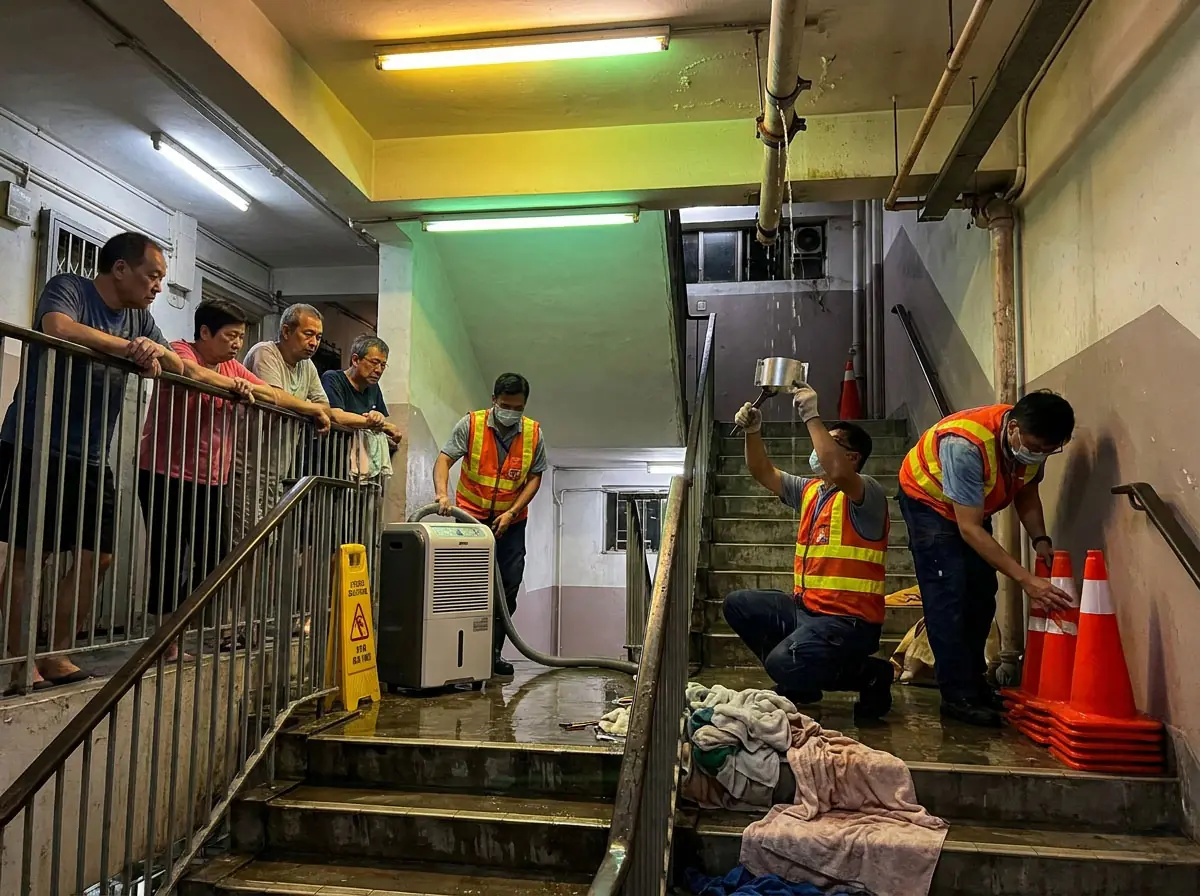
The first 24 hours are critical for mitigating loss. We focus on boarding up broken windows, tarping the roof, and extracting water used by firefighters to keep the structure from sagging.
After the site is secure, we move into the cleaning and repair phases. Keep these stages in mind as you work with your contractor:
- Content Cleaning: We pack out salvageable personal items to a specialized cleaning facility.
- Soot Neutralization: We use industrial equipment to pull toxins from porous surfaces like drywall and upholstery.
- Structural Reconstruction: Once the odors are scrubbed and the moisture is gone, the final build-back happens to restore your home to its pre-fire state.
Do not be fooled by contractors who promise a rush job without these phases. Cutting corners on the stabilization stage will lead to expensive mold issues six months down the line.
Secondary Damage: How Moisture from Firefighting Efforts Breeds Mold
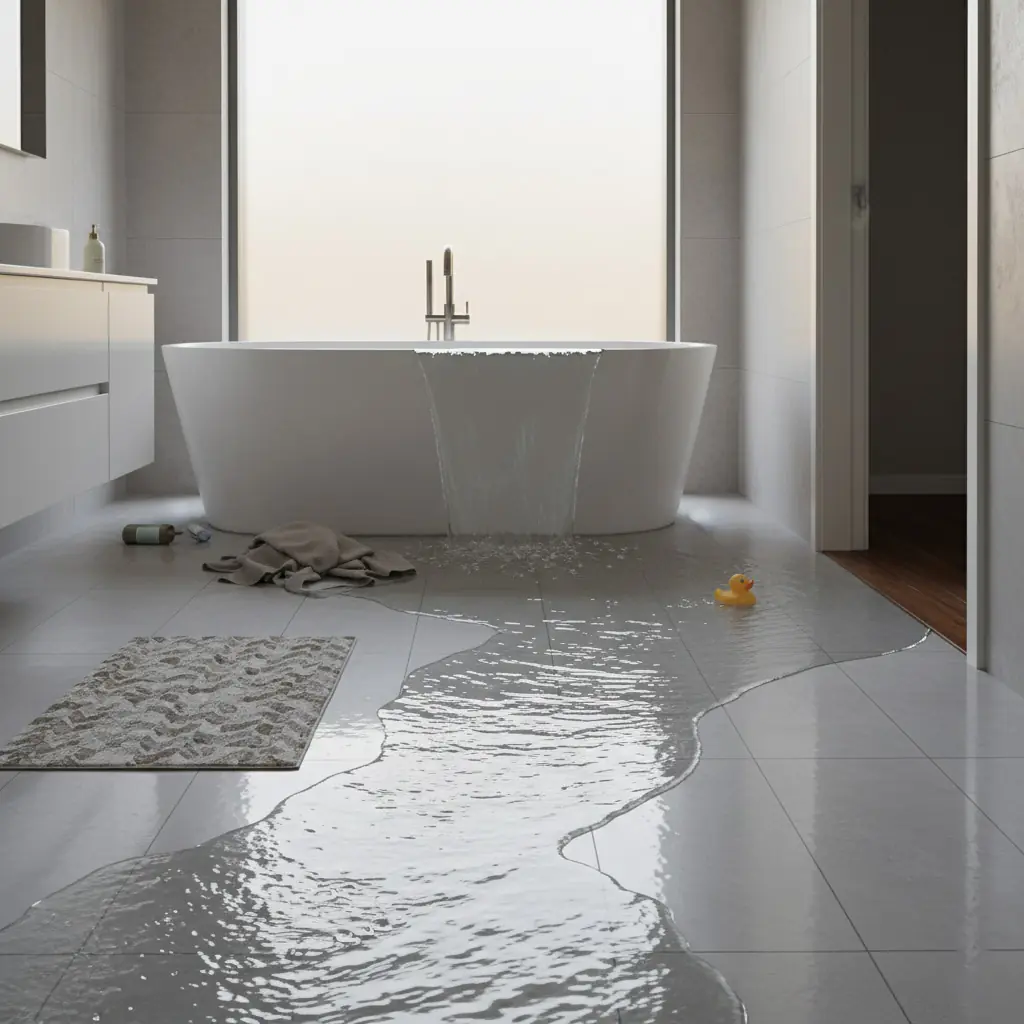
When the Bloomington fire department leaves your property, the battle is only half over. You might think the fire is the biggest threat, but the massive volume of water used to douse the flames creates a new enemy: hidden moisture. This trapped water seeps into subfloors, drywall, and insulation, creating a perfect environment for mold to take root within 24 to 48 hours.
If you ignore the dampness, you are essentially inviting a biological takeover. Mold spores exist everywhere in Illinois, and they thrive on the wet, organic materials left behind after a fire. Once mold colonies start spreading, they compromise the air quality of your home and turn a cleanup job into a massive hazardous waste removal project.
The Fast Track to Mold Growth
Time is your greatest enemy when dealing with water trapped by firefighting efforts. Follow these signs to see if your property is at immediate risk:
- Musty, earthy smells lingering in specific rooms or closets.
- Visible dark spots or discoloration appearing on baseboards and ceilings.
- Soft spots in drywall or floors that feel spongy to the touch.
- Condensation forming on the inside of windows or glass surfaces.
You cannot simply dry out a fire-damaged home with a few box fans from the hardware store. Professional restoration crews use industrial grade dehumidifiers and moisture meters to pull water out of structural materials. Without this level of extraction, you will likely face secondary damage that insurance adjusters may categorize as neglected maintenance, which could jeopardize your total coverage.
Real-World Recovery: A Bloomington Residential Fire Restoration Case Study
Last winter, a kitchen fire broke out in a single-family home near Miller Park. The owners initially tried to scrub the soot off the cabinets using standard household degreasers, which actually pushed the carbon particles deeper into the wood grain.
By the time they called us, the kitchen was in rough shape, but we managed to reverse the damage. We moved quickly to stabilize the environment before the acidic soot could etch permanently into the countertops and appliances.
Here is what that recovery process looked like on the ground:
- Day 1: Emergency board-up and debris removal to stop further smoke infiltration.
- Day 2: HEPA vacuuming of all surfaces to capture loose soot without spreading it.
- Day 3: Thermal fogging to neutralize the lingering odor trapped in the drywall.
- Day 4: Professional structural cleaning using specialized dry sponges.
- Day 7: Final clearance testing to ensure air quality met safety standards.
This case proves that your first move dictates the final result. Instead of grabbing the bleach and a bucket, the homeowners should have secured the area and contacted experts immediately. Because they paused their DIY efforts after a few hours, we were able to restore their cabinetry and save the kitchen from a total gut renovation.
Selecting the Right Mitigation Partner: Red Flags to Identify During the Hiring Process
Not every restoration company in McLean County carries the same level of integrity. When you are vulnerable, predatory contractors often swoop in with lowball quotes just to get their foot in the door. If a company demands full payment upfront before any work starts, consider that a massive warning sign.
You need a partner who works with your insurance carrier rather than against them. Steer clear of any firm that promises to waive your deductible, as this is often considered insurance fraud and could land you in serious legal hot water. Always verify their licensing and ensure they have specific experience with Bloomington local codes.
Common Red Flags to Watch For
- The contractor pressures you to sign a blank document or an assignment of benefits form.
- They show up in an unmarked vehicle without proper company identification.
- They claim to have a special relationship with your insurance adjuster that guarantees a larger payout.
- The firm lacks a physical office location within reasonable distance of Bloomington.
- They offer no written estimate or refuse to explain the specific scope of work in plain English.
Trust your gut. If a technician seems more interested in your policy limit than the actual damage to your walls and floors, show them the door. A professional restoration team will be transparent about their process, provide clear timelines, and treat your home with the respect it deserves after such a traumatic event.
Final Words
The aftermath of a fire is a brutal, high-stakes game. One wrong move, like using the wrong cleaning agent or waiting too long to call for help, can turn a fixable home into a tear-down.
You have a narrow window to protect your equity and your family's health. Don't let your instincts lead you into a trap that your insurance company will use to deny your claim.
If you find yourself in this position, lean on experts who know the Bloomington area code inside and out. Professional Fire Damage Restoration is not a luxury; it is the difference between a house that feels like home again and a property that lingers in a state of decay.
Three rules to live by after the flames go out:
- Move fast, but think slow. Do not touch anything until you have taken photos and spoken to your adjuster.
- Prioritize air quality. Soot is toxic and acidic. Keep your family out of the house until we clear the air.
- Document every interaction. Keep a log of every conversation you have with your insurance agent and every contractor who walks through your door.
You have already survived the fire. Now, make sure you survive the recovery process by avoiding these common traps. Let the pros handle the heavy lifting while you focus on getting your life back on track.
People Also Ask
Is it safe to stay in my home after a fire?
You should not remain in your home until it has been inspected by professionals. Lingering smoke particles and structural instability pose serious health risks to you and your family.How soon should I contact my insurance company after fire damage?
You should contact your insurance provider as soon as it is safe to do so. Prompt communication ensures that your claim process begins quickly and you receive guidance on FEMA protocols for disaster recovery.Does fire damage restoration include cleaning smoke odors?
Yes, comprehensive restoration includes neutralizing smoke odors through specialized equipment and air purification systems. Simple cleaning methods are usually ineffective because soot particles penetrate deep into porous materials and ventilation ducts.How does Bloomington water damage restoration relate to fire damage?
Firefighting efforts often leave behind significant water damage that requires immediate attention. If this moisture is not professionally extracted, it will lead to secondary damage such as rapid mold growth and structural decay within your property.What mistakes should I avoid immediately following a fire?
Avoid touching surfaces with bare hands, as the oils from your skin can permanently set soot into textiles and walls. You should also refrain from turning on electronics or HVAC systems until a professional has cleared them of hazardous debris.Need Water Damage Restoration Services?
We provide rapid water damage restoration to restore your property to its original condition immediately. Serving Bloomington and surrounding communities (61701, 61704, 61705, 61761) to minimize structural damage and downtime.
Request Accurate Quote