


⚡ TL;DR: This article explains the serious health risks associated with sewage backup in your Bend home and outlines the professional steps required for safe and thorough waste remediation.
📋 What You’ll Learn
Dealing with sewage backups in Bend requires immediate, professional action to protect your home. This guide explains the critical steps to mitigate health risks and restore your property after contamination occurs.
- Understand why household cleaners fail when faced with Category 3 water that contains harmful bacteria, viruses, and parasites requiring industrial grade sanitization methods to ensure your home remains safe.
- Implement rapid containment protocols immediately to stop the spread of hazardous waste throughout your living spaces while you wait for a local restoration team to arrive and assist you.
- Recognize hidden threats to your health including dangerous pathogens and airborne toxins that linger in your drywall and flooring long after the visible liquid has been successfully extracted away.
- Follow the professional recovery process as we detail the exact steps our field experts take to extract waste, disinfect surfaces, and restore your property to a healthy living condition.
📖 Reading time: 7 min
✍️ Author expertise: Certified water damage restoration specialist with over a decade of cleanup experience in Bend.
You wake up to a smell that hits you like a physical wall, thick with the stench of decay and raw waste. That pool of murky water spreading across your bathroom floor isn't just a plumbing inconvenience; it is a biohazard ticking clock that puts your family and your property at immediate risk.
Most Bend homeowners make the fatal mistake of grabbing a mop and some bleach, thinking they can handle it themselves. In reality, you are likely just spreading microscopic pathogens deeper into your floorboards and drywall.
If you have raw sewage sitting in your home right now, you need to stop what you are doing and understand exactly what is happening behind the scenes. Here is how you can protect your health and stop the contamination from permanently ruining your home.

Why Standard Household Cleaners Fail Against Category 3 Water
You might think your trusty bottle of bleach or a strong disinfectant spray will neutralize the mess. Unfortunately, raw sewage is classified as Category 3 water, also known as black water, for a very specific reason. It contains pathogenic agents, including bacteria, viruses, and parasites that household chemicals simply cannot kill on contact.
The problem isn't just surface dirt. Sewage seeps into porous materials like carpet padding, subflooring, and drywall at a microscopic level. When you try to mop or scrub it, you aren't cleaning the area; you are pushing toxins deeper into the structural bones of your house.
Standard household products lack the industrial strength and the specific chemical composition required to break down biological matter safely. If you attempt a DIY cleanup, you face several major risks:
- Incomplete Sanitization: You leave behind active bacteria that will eventually grow into toxic mold colonies.
- Aerosolization: The physical act of scrubbing stirs up harmful spores, which then float into your ventilation system.
- Chemical Reaction: Mixing bleach with certain cleaning agents found in sewage can create toxic gases that are dangerous to inhale.
Treating a sewage backup like a common spill is a gamble you cannot afford to take. You need industrial-grade biocides and specialized extraction equipment to stop the spread. Anything less is just moving the problem around instead of removing it.
Immediate Containment Protocols to Prevent Cross-Contamination
The moment you discover raw sewage, your primary goal is to stop the spread. Every step you take through the affected area acts like a printing press, stamping bacteria and fecal matter onto the rest of your Bend home's flooring.
Before you even think about cleaning, you must isolate the hazard. Follow these immediate containment steps to keep the damage from moving into your bedrooms or living spaces:
- Seal off the affected room by taping heavy plastic sheeting over the doorways.
- Shut down your HVAC system immediately to prevent airborne toxins from cycling through the vents.
- Place damp towels or rags at the base of closed doors to act as a physical barrier against encroaching fluid.
- Remove any non-porous items like plastic toys or metal tools from the spill zone to a secure, isolated area.
If you leave the area, strip your shoes and outer clothing right at the edge of the contamination zone. You do not want to track these microscopic hitchhikers into your kitchen or onto your carpets. Treating this like a quarantine zone is the only way to save the rest of your home from becoming a secondary disaster site.

The Hidden Dangers of Pathogens and Airborne Toxins in Your Bend Home
When sewage floods your living space, you aren't just dealing with a mess; you are breathing in a toxic cocktail of biological hazards. Raw waste introduces E. coli, salmonella, and rotavirus into your indoor air supply. These pathogens do not stay trapped in the water. As the liquid evaporates, they become aerosolized, drifting through your HVAC system and settling onto every surface you touch.
The danger is invisible but aggressive. Even if you cannot smell the waste anymore, your lungs might still be processing harmful particles. You must treat every inch of your home as a contaminated zone until proven otherwise.
Common Health Threats Lurking in Sewage
Exposure to these contaminants leads to rapid illness. Consider the following risks that homeowners often underestimate:
- Respiratory distress from inhaling fungal spores and aerosolized bacteria.
- Severe skin infections and rashes caused by direct contact with contaminated surfaces.
- Gastrointestinal distress if pathogens migrate to your kitchen or pantry areas.
- Compromised immune systems, which hit children and seniors with significantly more force.
Beyond the immediate risk of disease, raw sewage releases hydrogen sulfide and methane gas. These airborne toxins can cause dizziness, headaches, and eye irritation. In high concentrations, they are downright poisonous. You should never assume your home is safe just because the water has receded or the surface looks dry.
Professional Remediation: A Step-by-Step Breakdown of the Recovery Process
Professional restoration is not just about moving water. It is a calculated, systematic strike against hazardous bacteria that thrive in your subfloor.
Our team follows an industry-standard protocol to ensure your home in Bend is not just dry, but biologically safe for your family.
The Critical Phases of Sanitization
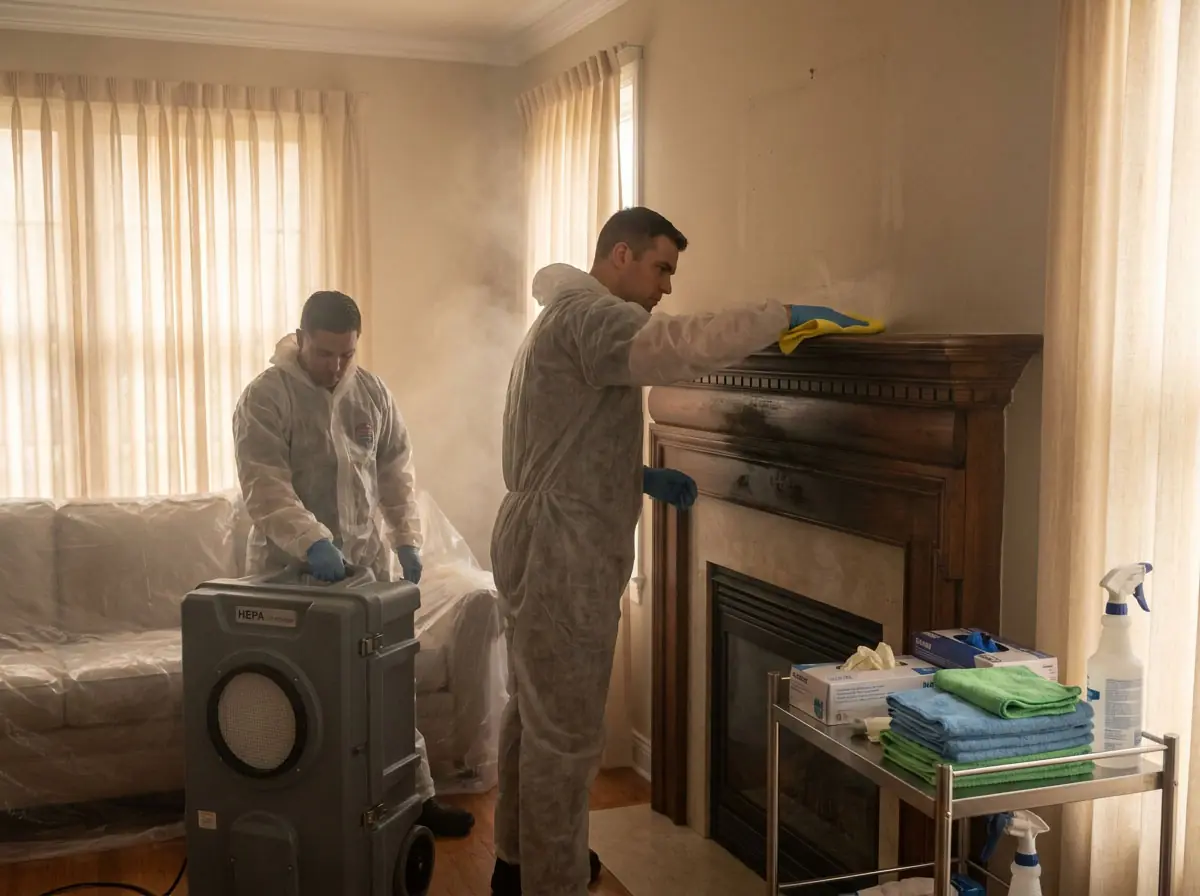
First, we establish a secure perimeter to isolate the contamination. We utilize negative air pressure to stop microscopic spores from drifting into your kitchen or bedrooms.
- Phase One: Extraction. We use high-grade pumps to pull raw waste directly into sealed containment units, ensuring zero contact with your living spaces.
- Phase Two: Anti-Microbial Application. Simply cleaning the surface is a trap. We apply industrial-strength biocides that kill pathogens on contact.
- Phase Three: Drying and Dehumidification. We strip the moisture from the air. Bacteria stop breeding the moment the humidity drops below the threshold required for survival.
We often have to pull out affected drywall, carpet, and padding if they have been touched by Category 3 water. If those materials are porous, they are essentially toxic sponges that will never be truly clean.
By cutting out the "wicked" material early, we prevent the long-term growth of mold. This saves you thousands in future repair costs and protects the structural integrity of your property.

Success in Action: A Recent Bend Sewage Extraction Case Study
Last month, we responded to an urgent call in the Old Farm District where a main sewer line backup had sent raw waste surging into a finished basement. The homeowner attempted to clear the standing water with a shop vacuum and paper towels, which unfortunately aerosolized the pathogens throughout the entire lower level.
When our team arrived, we immediately initiated a Category 3 isolation protocol to stop the spread. We used industrial-grade negative air machines to create a pressure vacuum, ensuring that no contaminated air could escape into the upper living spaces.
The Remediation Sequence
- Extraction of all bulk waste using specialized sewage-rated pumps.
- Removal of non-salvageable materials including carpet, padding, and drywall sections.
- Application of hospital-grade antimicrobial agents to sanitize the concrete sub-floor.
- Structural drying using high-velocity air movers to prevent secondary mold growth.
By focusing on rapid moisture removal and surgical material disposal, we saved the homeowner from a total basement gut-out. The property was deemed clear and habitable within just four days, preventing the long-term structural decay that typically follows amateur cleanup attempts.
Risk Levels and Mitigation Strategy: A Comparative Severity Table
Not all water damage is created equal. In the professional restoration world, we categorize water based on its source and the level of biological contamination present.
Understanding these categories helps you grasp why a sewage backup demands immediate, specialized intervention rather than a standard cleanup. If you mistake a high-risk spill for simple gray water, you are essentially inviting permanent structural damage and health issues into your living room.
| Category | Water Source | Contamination Level | Risk Factor |
|---|---|---|---|
| Category 1 | Clean Supply Lines | Low | Minimal Health Hazard |
| Category 2 | Dishwashers/Sinks | Moderate | Physical Discomfort |
| Category 3 | Sewage/Flooding | Severe | Pathogenic/Toxic Risk |
When dealing with Category 3 water, time is your worst enemy. Toxins move through porous materials like carpet, drywall, and wood subflooring in a matter of hours.
Once those materials absorb the waste, they often become non-salvageable. You cannot simply scrub the surface and call it a day because the real damage is festering deep inside the walls where the air cannot reach.
Critical Mitigation Strategies
To keep the rest of your home safe while you wait for a professional team, follow these rules:
- Do not touch the water with bare skin.
- Avoid tracking the contaminated water into unaffected rooms.
- Turn off the main water supply if the leak is active.
- Seal off the affected area with plastic sheeting to contain airborne particles.
- Keep children and pets away from the site at all times.
Relying on store-bought sprays or fans is a dangerous gamble that usually makes the situation worse. Moving air simply aerosolizes dangerous bacteria, spreading it throughout your ventilation system to bedrooms and kitchens.
Your goal is containment, not cleanup. Leave the heavy lifting to experts equipped with industrial-grade PPE and moisture-extraction technology.
Final Words
When raw sewage invades your living space, time is your greatest enemy. Every minute that dark, contaminated liquid touches your structural materials, the repair bill grows and the health risks multiply.
Do not gamble with your family's safety by attempting a DIY fix. Professional Sewage Backup Cleanup requires industrial-grade gear that goes far beyond a household mop and bucket.
If you find yourself facing this nightmare, remember these vital rules to maintain control of the situation:
- Cut the power to any affected rooms immediately to avoid electrical shocks.
- Keep kids and pets completely out of the area until a pro clears the space.
- Do not touch the water with bare skin, as pathogens thrive in that environment.
- Call an emergency response team that understands the local Bend plumbing codes and health regulations.
Getting your home back to a safe state is non-negotiable. You need a team that knows how to extract, disinfect, and verify that your air quality is actually back to normal.
Stop the spread, protect your foundation, and get the pros on-site before the damage becomes permanent. Your home is your biggest investment, so treat this threat with the urgency it demands.
People Also Ask
Is sewage backup covered by homeowners insurance in Bend?
Most standard homeowners insurance policies do not cover sewage backups unless you have added a specific endorsement for water and sewer backup. You should review your policy documents or contact your provider immediately to confirm your coverage details.What health risks are associated with sewage exposure?
Sewage contains bacteria, viruses, and parasites that can lead to serious illnesses, including gastrointestinal infections and skin rashes. According to the CDC guidelines, minimizing contact with contaminated materials is essential to protecting your physical health.Can I clean up a sewage backup myself?
Professional remediation is strongly recommended because sewage is classified as Category 3 water, which poses significant safety hazards. Attempting to clean it without industrial grade equipment and PPE often leads to improper sanitization and long term mold growth.How long does the sewage cleanup process take?
The timeline depends on the extent of the damage, the saturation of structural materials, and the square footage affected. While initial extraction can happen within hours, complete drying and sanitation typically require several days of professional monitoring.Why does my home smell like sewage after a storm?
Heavy rainfall can overwhelm local sewer systems in Bend, leading to pressure imbalances that force sewer gases into your home. If the odor persists, it may indicate a blocked vent or a more severe plumbing backup that requires expert inspection.Need Water Damage Restoration Services?
We provide rapid water extraction and structural drying services to restore your property in Bend and the surrounding high desert communities. Our team stabilizes your home or business immediately to prevent further damage and ensure a swift recovery (97701, 97702, 97703, 97756).
Request Price Estimate