


⚡ TL;DR: This guide educates Baton Rouge residents on why professional structural drying services are essential for preventing hidden moisture damage and toxic mold growth within local humid home environments.
📋 What You’ll Learn
When water strikes your Baton Rouge property, time is your greatest enemy. This guide explores the essential science and techniques required to dry your home effectively before humidity triggers dangerous mold growth.
- Understand why Baton Rouge humidity demands speed because our local climate traps moisture in building materials, making professional drying solutions far more effective than simple box fans or household dehumidifiers.
- Master the science of professional moisture mapping by learning how our restoration experts use thermal imaging and moisture meters to locate hidden water trapped deep behind your drywall and flooring.
- Analyze real local restoration success stories through a detailed case study of a Mid-City property, demonstrating how advanced structural drying saves homeowners from costly, invasive reconstruction after water damage incidents.
- Prevent toxic mold through proactive mitigation so you can identify the exact signs of structural compromise early and stop long-term biological contamination before it impacts your indoor air quality.
📖 Reading time: 7 min
✍️ Author expertise: Baton Rouge water damage expert with fifteen years of hands-on structural restoration experience.
You wake up to the sound of water dripping behind your drywall, or worse, you walk into a living room that feels more like a swamp than a home. In Baton Rouge, the humidity is bad enough without your house literally holding onto a flood’s worth of moisture inside its own skeleton.
Most homeowners assume that if the floor feels dry to the touch, the job is done. That is a dangerous mistake that leads to hidden rot, warped studs, and toxic mold colonies growing where you cannot see them.
Real structural drying isn't just about running a few fans and hoping for the best. Here is exactly what you need to know to stop hidden water damage before it forces you to gut your entire property.
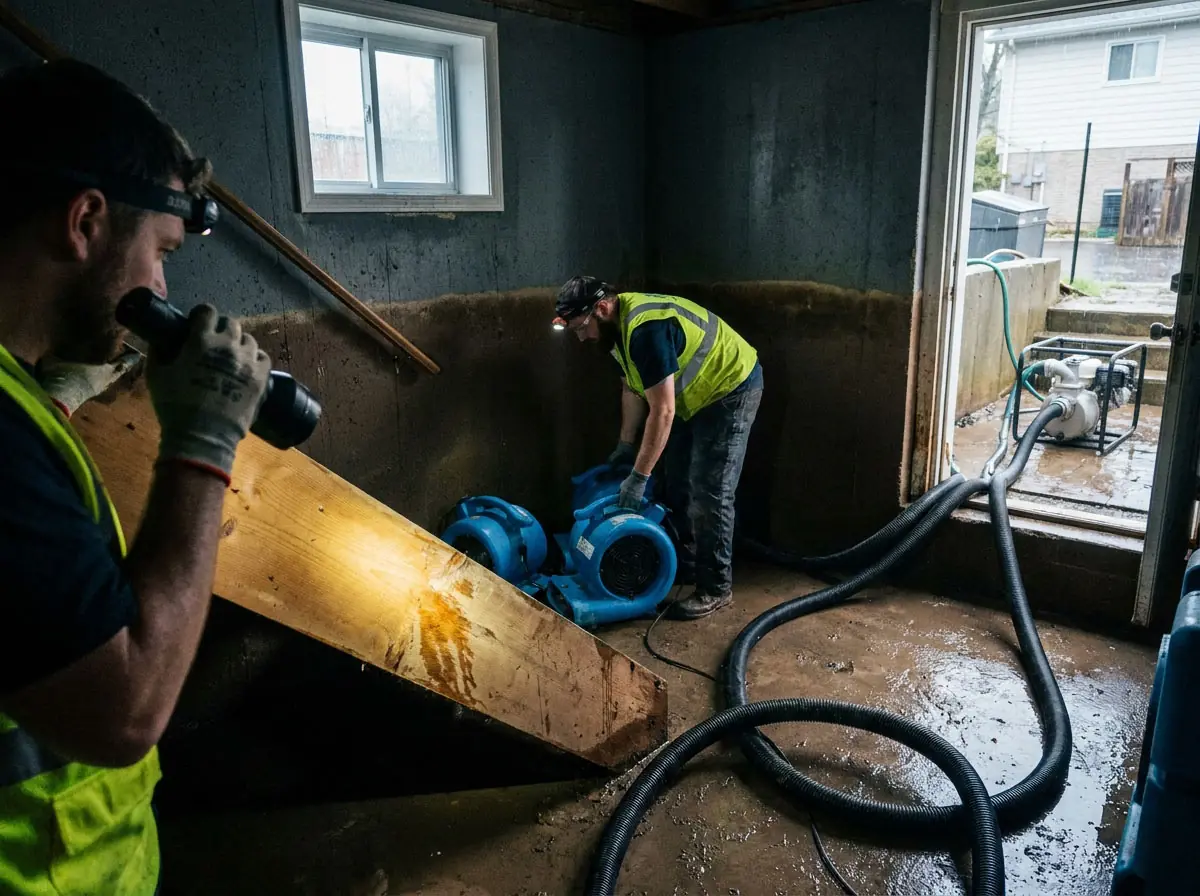
Why Baton Rouge Humidity Makes Rapid Structural Drying Critical
Living in Baton Rouge means you are already fighting a losing battle against the air. With an average relative humidity that frequently pushes past 75 percent, your home is essentially breathing in a warm, wet sponge every single day.
When you add a pipe burst or localized flooding into the mix, that natural humidity turns into a disaster multiplier. The air outside is already saturated, which means it cannot possibly absorb the moisture trapped inside your walls or floorboards.
If you don't bring in industrial grade equipment, that trapped water has nowhere to go. It sits in your building materials like a slow ticking time bomb.
The Hidden Danger of "Stagnant Air"
In drier climates, a few box fans might eventually do the trick. Here in Louisiana, relying on simple airflow is a recipe for catastrophic structural failure. Without professional dehumidification, you are just moving damp air around your room.
Here is what happens when you ignore professional drying standards:
- Moisture levels remain above the 16 percent threshold, which is the magic number for fungal growth.
- Drywall and wooden studs swell, causing paint to bubble and joints to separate.
- Musty odors begin to cling to your fabrics, rugs, and furniture.
- The high dew point prevents natural evaporation, effectively locking the water inside your house.
You aren't just drying out a spill; you are fighting the physics of the swamp. You must remove the moisture from the air so the material can finally release its trapped water. If you skip this step, you are simply waiting for the inevitable appearance of mold.
The Science of Evaporation: Beyond Household Box Fans
If you think a few oscillating fans and an open window will solve a water emergency in the Louisiana heat, you are playing a dangerous game. Evaporation is not just about moving air; it is about psychrometrics, which is the complex relationship between air temperature, humidity, and the moisture content of your building materials.
When our team dries a structure, we aren't just pushing air around the room. We are creating a controlled environment where the vapor pressure of the air is lower than the vapor pressure of the wet materials, literally pulling the moisture out of your studs and subfloors.
To succeed in our climate, we rely on three scientific pillars:
- Temperature Control: We crank up the heat to increase the moisture-holding capacity of the air.
- Dehumidification: High-capacity refrigerant dehumidifiers pull that liberated moisture out of the air before it can settle back into your drywall.
- Airflow Management: We use industrial axial fans to target the "boundary layer" of air right against the wet surface, stripping away water molecules at a microscopic level.
A household box fan simply pushes humid Baton Rouge air against a wet wall, which often leaves the surface damp and promotes rapid mold growth. We use closed drying systems that systematically remove moisture from the property rather than just shuffling it from one corner of your living room to another.

Moisture Mapping: How Experts Detect Trapped Water Behind Walls
Most water damage in Baton Rouge homes hides behind baseboards and inside wall cavities where your eyes cannot see. If you think the surface is dry, you are likely looking at the tip of a massive, soggy iceberg.
We use moisture mapping to hunt down every drop of trapped liquid. Our technicians move through your home with thermal imaging cameras and hygrometers to pinpoint areas of deep saturation that remain cold and heavy with water.
Why Precision Detection Matters
- It stops us from tearing out walls that do not need to be replaced.
- It prevents "hidden moisture pockets" that cause studs to rot from the inside out.
- It saves you thousands on unnecessary reconstruction by focusing only on the wet zones.
Think of this process like an X-ray for your home. By establishing a moisture baseline, we track how much water is actually in your building materials and how quickly it is evaporating.
We do not guess where the water went. We use scientific instrumentation to prove exactly where it is, which keeps the restoration project fast, targeted, and much cheaper for you in the long run.
Baton Rouge Restoration: A Case Study in Saving a Water-Damaged Mid-City Home
Last summer, a Mid-City homeowner faced a burst pipe that flooded their vintage hardwood floors and seeped deep into the wall cavities. Because the owner acted within hours, we were able to save the original structure rather than gutting it for a total remodel.
We arrived to find the drywall saturated and the air heavy with moisture. By applying industrial-grade low-grain refrigerant dehumidifiers, we changed the environment inside the home to force moisture out of the materials and into the air.
Our team successfully avoided the expensive path of a full demolition by focusing on these steps:
- Targeted moisture injection to dry the subfloor without pulling up the historic wood.
- Continuous monitoring of the Specific Humidity levels to ensure the drying chamber remained effective.
- Application of antimicrobial treatments to prevent the humid Louisiana air from sparking a mold outbreak.
The result was a total save. The home owner avoided the massive costs of reconstruction, and the house was back to normal in just four days. If you wait, water doesn't just sit; it starts destroying your equity from the inside out.
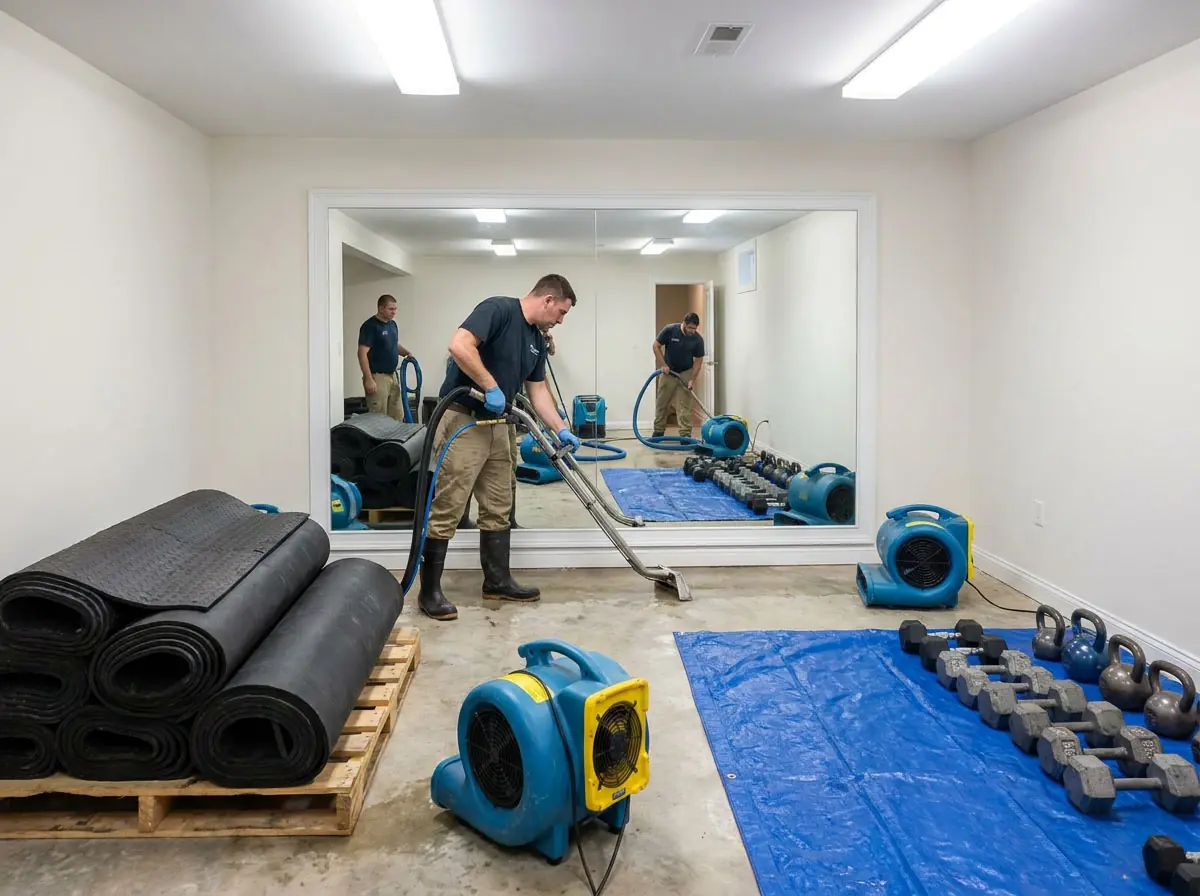
Comparative Table of Water Mitigation vs. DIY Drying Methods
Most homeowners in Baton Rouge try to dry their floors with a box fan or a space heater. This is like trying to empty a swimming pool with a straw.
Professional water mitigation requires industrial equipment that controls the environment rather than just blowing air around. Take a look at how DIY attempts stack up against certified professional restoration.
| Feature | DIY Methods | Professional Restoration |
|---|---|---|
| Equipment Used | Household fans/heaters | LGR dehumidifiers/air movers |
| Moisture Detection | Visual check only | Moisture mapping sensors |
| Drying Speed | Days to weeks | Hours to few days |
| Mold Prevention | Low probability | High success rate |
| Structural Integrity | At risk of rot | Fully preserved |
The primary issue with DIY efforts is that they only target surface moisture. They ignore the water trapped deep within the subfloor, inside the wall cavities, and under your baseboards.
If you fail to remove that moisture, you are essentially creating a perfect incubator for mold. Baton Rouge already has enough natural humidity; you do not need to add to it by leaving wet wood to fester in your walls.
Why Professional Equipment Wins
Professional grade Low Grain Refrigerant (LGR) dehumidifiers work by pulling moisture directly out of the air and the materials themselves. Unlike a box fan that just moves humid air from one room to the next, our systems create a closed drying chamber.
We monitor the process daily to ensure the building materials return to safe, dry levels. If we do not reach those specific numbers, we do not pack up our gear.
- DIY drying often forces moisture into unaffected rooms.
- Professional systems maintain a specific humidity balance to protect your home.
- Certified drying prevents the need for expensive, messy demolition.
Preventing Long-Term Structural Compromise and Toxic Mold Growth
When moisture lingers inside your walls, your home effectively becomes an incubator for disaster. Most Baton Rouge homeowners do not realize that toxic mold can begin to colonize within just 24 to 48 hours of a water event.
If you ignore the hidden pockets of dampness, the wood framing in your home will begin to lose its structural integrity. This leads to sagging floors, compromised support beams, and a massive repair bill that far exceeds the cost of professional drying.
The Consequences of Neglected Moisture
Waiting to act gives moisture time to settle deep into porous materials. Once it reaches that point, the damage shifts from a simple cleanup to a full scale reconstruction project.
- Wood Rot: Cellulose breakdown turns solid studs into soft, crumbling waste.
- Mold Proliferation: Airborne spores spread to your HVAC system and circulate throughout your living spaces.
- Indoor Air Quality: Damp environments cause respiratory issues and chronic allergies for your family.
- Pest Attraction: Termites and carpenter ants thrive in water damaged wood, turning a wet mess into a structural crisis.
Professional restoration teams use dehumidification technology to force moisture out of the materials before this decay takes hold. Relying on simple evaporation is a losing battle in our humid Baton Rouge climate. By stopping the cycle early, you keep your property value intact and ensure your home remains a safe place to live.
Final Words
Water damage in our swampy Baton Rouge climate waits for no one. If you suspect water has seeped into your subfloors or behind your drywall, every single hour you hesitate increases the risk of a full demolition.
Professional structural drying services stop the clock on microbial growth before it begins. Do not gamble with the structural integrity of your biggest investment by guessing with portable heaters or open windows.
The Reality Check
If you see signs of moisture or experience a pipe burst, you must take specific steps to safeguard your home:
- Cut the power to any wet rooms immediately to prevent electrical fires.
- Call a certified crew to perform moisture mapping before you start patching holes.
- Avoid using standard air conditioning units to dry the air, as they are not equipped for heavy-duty dehumidification.
Ignoring these warnings allows moisture to fester inside your walls. You are essentially paying for a mold farm to grow behind your paint.
When you hire experts to handle the drying process, you gain access to industrial-grade desiccant dehumidifiers and moisture sensors that see what the human eye cannot. It is the difference between a simple cleanup and a permanent, expensive renovation.
People Also Ask
How long does the structural drying process take in Baton Rouge?
The duration depends on the severity of the water intrusion and the specific building materials affected. Most professional drying projects in our humid climate take between three to five days to ensure complete moisture removal.Why is standard air conditioning not enough to dry a home after flooding?
Standard HVAC systems are designed for comfort, not industrial scale dehumidification. Professional drying requires high velocity air movers and commercial grade dehumidifiers to meet environmental standards for indoor air quality and moisture control.Can I dry my home myself using fans and heaters?
Using basic box fans often circulates moisture into unaffected areas and can actually accelerate mold growth. Professional mitigation is necessary to properly control the dew point and prevent secondary damage to your property.What happens if structural moisture is not removed properly?
Trapped moisture leads to the rapid development of toxic mold and can permanently weaken wooden studs and subflooring. Addressing hidden pockets of water immediately is vital to maintaining the long term integrity of your Baton Rouge home.How do restoration experts confirm that a structure is fully dry?
Technicians use specialized thermal imaging cameras and moisture meters to track water levels behind walls and under floors. We do not stop the drying process until the materials reach their dry standard based on current environmental readings.Need Water Damage Restoration Services?
We provide rapid water damage restoration to restore your property in Baton Rouge and surrounding communities. Our team arrives quickly to extract water and prevent further damage to your home or business (70802, 70806, 70808, 70810, 70820).
Request Price Estimate