


⚡ TL;DR: Before starting your crawl space water removal in Baltimore, learn how to identify moisture sources, evaluate professional mitigation methods, and implement lasting encapsulation strategies to protect your home.
📋 What You’ll Learn
If you are dealing with moisture beneath your Baltimore home, this guide explores the critical steps for effective water removal, foundation protection, and long term moisture control for local property owners.
- Identify hidden water sources by learning how to distinguish between common Baltimore issues like basement groundwater seepage, failing plumbing lines, and heavy storm runoff affecting your crawl space foundation.
- Follow professional drying protocols to ensure your home is restored safely using industry standard decontamination methods that prevent mold growth and structural damage to your crawl space wooden supports.
- Compare DIY versus professional methods to understand the serious risks involved in improper water extraction and why expert intervention is often required to maintain your home property value.
- Implement permanent encapsulation strategies by discovering advanced vapor barrier and drainage techniques that provide a long term solution to keep your crawl space dry despite our local climate.
📖 Reading time: 8 min
✍️ Author expertise: Baltimore water restoration expert with fifteen years of field experience in flood mitigation.
You crawl under your Baltimore home to grab a holiday bin and suddenly your socks are soaking wet. That lingering, musty stench hitting your nose is not just an unpleasant smell; it is a clear warning sign that your foundation is drinking water it should never touch.
Ignoring that moisture is a fast track to rotted floor joists, toxic mold colonies, and a structural repair bill that could easily cost you a new car. Most homeowners react by grabbing a shop vac, but jumping into a DIY cleanup without a plan often makes the situation much worse.
Before you commit to a specific fix or pay a contractor to pump out the mess, you need to know exactly what you are dealing with under there. Let’s break down the essential steps to protect your home’s health and your wallet before you make a decision you might regret.

The Dangers of Standing Water Beneath Your Baltimore Foundation
When standing water sits beneath your Baltimore home, it is not just sitting there. It is actively attacking the structural integrity of your property while silently pumping toxic airborne spores into your living spaces.
The moisture migrates upward through your floorboards like a slow-motion sponge. This creates a chain reaction of destruction that spreads far beyond the damp dirt below.
The Real Costs of Moisture Neglect
You might think a little dampness is harmless, but the reality is much harsher. Baltimore’s humid climate combined with trapped water creates the perfect breeding ground for disaster:
- Structural Decay: Floor joists and support beams lose their load-bearing capacity as wood fibers rot.
- Toxic Mold Growth: Dangerous mold species can take hold in under 48 hours, triggering allergies and respiratory illness.
- Pest Attraction: Termites, carpenter ants, and rodents thrive in wet, dark environments, turning a water issue into an expensive infestation.
- Indoor Air Quality: Up to 50% of the air on your first floor originates from the crawl space. You are essentially breathing the environment below your feet.
Do not wait for your floorboards to sag before taking action. Professional intervention is often the difference between a simple drainage correction and a complete foundation overhaul.
Identifying the Source: Is It Ground Seepage, Plumbing, or Storm Runoff?
You cannot cure a disease if you do not know what is causing the fever. Throwing a sump pump into a crawl space is a waste of time if the root cause remains unaddressed.
Before you commit to a repair, you must investigate where the water is coming from. It usually falls into one of three categories:
- Ground Seepage: Often caused by a high water table or poor soil drainage around the Baltimore perimeter. You will see moisture weeping through foundation walls or rising through the dirt floor.
- Plumbing Failures: Look for steady drips, pipe sweating, or wet spots located directly beneath bathroom and kitchen fixtures. This is a pressurized problem that will not stop until a plumber replaces the faulty line.
- Storm Runoff: If the flooding follows a heavy rain, your grading is likely the culprit. Water is pooling against your foundation instead of flowing away from the house.
Checking your gutter downspouts is the smartest first step. If they dump water right next to your crawl space vent, you have found the leak.
Walk around your property during the next downpour. If you see water splashing against the brickwork, your structural integrity is at risk.
Fixing the exterior drainage is often cheaper than a massive crawl space restoration. Always check the simple things before you start ripping out insulation or calling in heavy drying equipment.
Crawl Space Drying and Decontamination Protocols
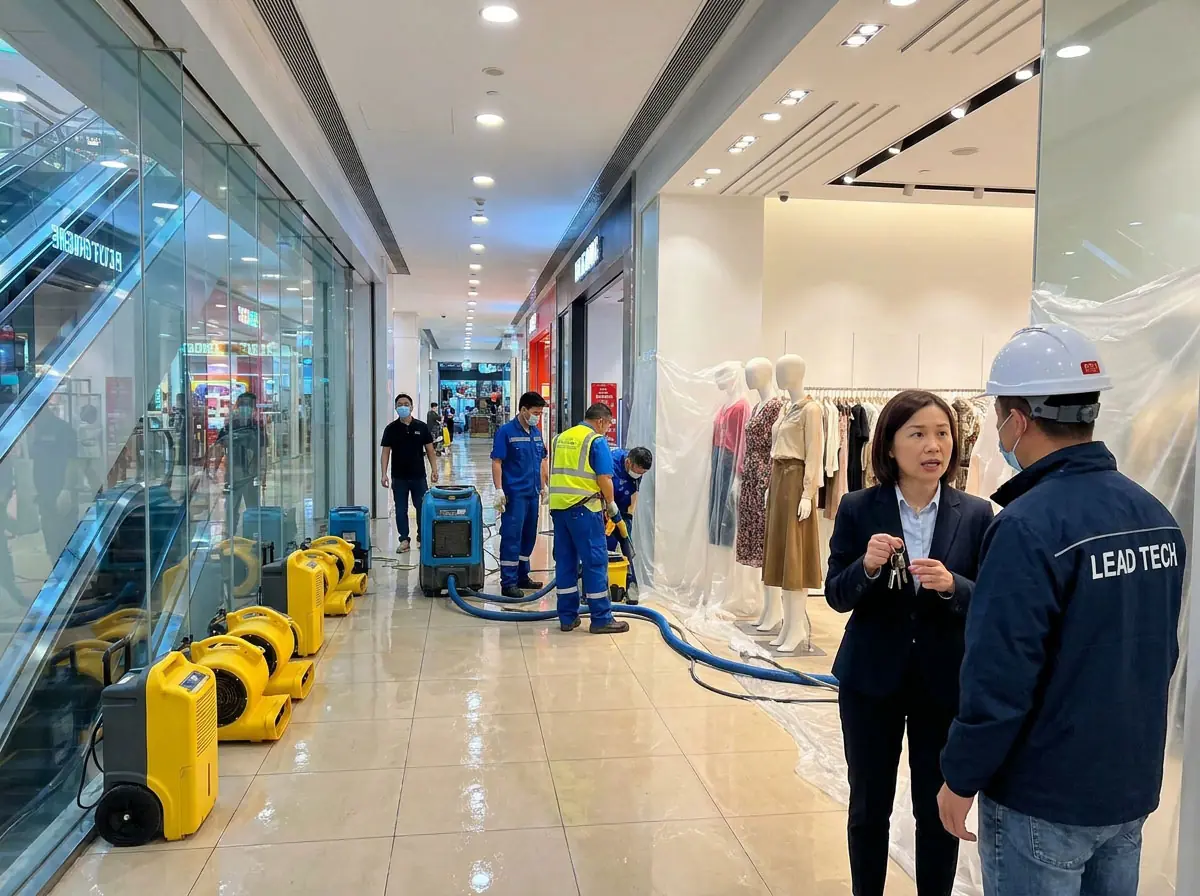
Professional water removal is not just about moving liquid out of the space. It is a precise tactical operation designed to stop the clock on structural decay and biological hazards.
If you skip the proper protocols, you are essentially leaving a petri dish under your living room floor. We follow a strict, multi-phase sequence to ensure the environment is medically clean and bone dry:
- Extraction: Using industrial-grade pumps and wet vacuums to remove all standing liquid.
- Debris Removal: Clearing out soaked insulation, fallen vapor barriers, and mud that traps moisture.
- Antimicrobial Application: Spraying EPA-registered solutions to kill active mold spores and neutralize bacteria.
- Structural Dehumidification: Installing high-capacity refrigerant dehumidifiers to pull moisture from wood joists and subflooring.
Once the water is physically absent, we must address the invisible threat of humidity. Even if the ground looks dry, wood often retains moisture levels above 20 percent, which is the "danger zone" for rot and termites.
We monitor these levels daily using specialized moisture meters until the materials reach their equilibrium moisture content. Failure to reach this benchmark means mold will simply bloom again the moment the sun comes out or the humidity spikes in our Baltimore summer.
Professional Mitigation Methods vs. DIY Risks
Most homeowners assume a shop vac and a box fan can handle a wet crawl space. This is a dangerous misconception that often leaves moisture trapped deep within your subfloor and insulation.
| Feature | DIY Cleanup | Professional Mitigation |
|---|---|---|
| Extraction Power | Weak household vacs | Industrial grade pumps |
| Mold Detection | Visual check only | Moisture mapping sensors |
| Safety | High risk of electrocution | PPE and hazmat protocols |
| Long term results | Recurring mold cycles | Sanitized, dry structure |
Professional mitigation does more than just move water. We use high capacity dehumidification systems that pull moisture out of your wooden floor joists and insulation, preventing the rot that causes your floor to sag over time.
Attempting this yourself exposes you to significant health hazards. When you crawl into a damp space, you are often breathing in:
- Toxic mold spores released by disturbing standing water.
- Hantavirus or bacteria from rodent droppings.
- Sewage contaminants if a pipe has burst.
If you lack industrial grade fungicides and structural drying equipment, you are likely leaving the root of the problem behind. Your home might look dry on the surface, but the hidden moisture will continue to compromise your building materials until the damage becomes structural.
Baltimore Case Study: Restoring a Fells Point Crawl Space After Major Flooding
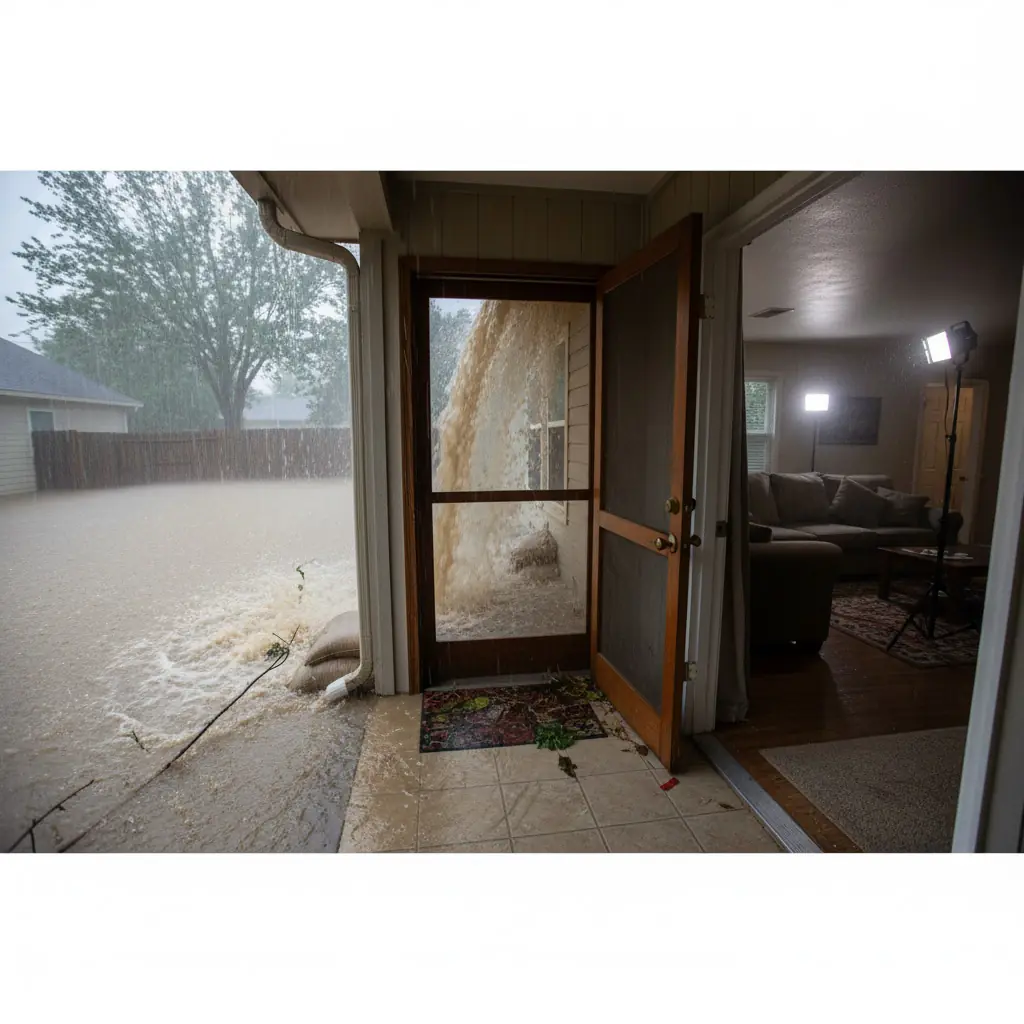
Fells Point is iconic, but its proximity to the harbor makes its homes uniquely vulnerable to water intrusion. Last spring, a local homeowner faced a disaster after a heavy storm surge pushed groundwater through the foundation of their 150-year-old row home. The crawl space was essentially a stagnant pool, turning the subfloor into a breeding ground for aggressive black mold.
We arrived to find the humidity levels inside the crawl space topping 95 percent. The homeowner had already spent three days running a household dehumidifier that was completely outmatched by the volume of trapped water. Our team had to move fast to save the historic floor joists from permanent wood rot.
The Fells Point Restoration Process
Our approach focused on three critical phases to stop the damage and secure the building envelope. We prioritize speed because moisture does not wait for a second opinion.
- Extract and Disinfect: We used industrial pumps to remove standing water, followed by a hospital-grade antimicrobial treatment to kill existing spores.
- Structural Drying: High-velocity air movers and commercial-grade dehumidifiers were deployed to pull moisture out of the crawl space walls and wood framing.
- Vapor Barrier Installation: To prevent a repeat occurrence, we installed a heavy-duty, sealed vapor barrier to lock the ground moisture out for good.
The result was a total transformation. We took a space that was rotting the home from the inside out and turned it into a dry, clean, and safe environment. The key lesson here is that standard cleanup gear cannot handle historic Baltimore foundation issues; you need commercial drying power and a strategy designed for high-tide zones.
Long-Term Encapsulation Strategies for Permanent Moisture Control
Once you have removed the standing water and remediated the mold, you face a simple choice: leave your crawl space exposed to the elements or seal it for good. Most Baltimore homeowners make the mistake of relying on simple vents, but ventilation is actually your enemy during our humid summers. Warm, moist air enters the space, hits the cool foundation walls, and instantly condenses into water, creating a perpetual cycle of dampness.
Encapsulation transforms your crawl space from a dark, swampy basement into a clean, dry, and conditioned environment. By installing a heavy duty vapor barrier over the floor and walls, you effectively disconnect your home from the damp earth. This process stops moisture migration at the source, preventing future wood rot and protecting your family from hidden mold spores that drift up through your floorboards.
The Benefits of Professional Encapsulation
A properly sealed crawl space does more than just keep the floor dry. It acts as a shield for your entire home’s structural integrity and air quality. Here is what happens when you commit to a full system:
- The relative humidity stays below 50 percent, which is the death zone for mold colonies.
- Your HVAC system does not have to work double time to combat moist air, which significantly lowers your monthly energy bills.
- Pests like termites, spiders, and rodents lose their favorite breeding ground because they prefer wet, dark conditions.
- You gain valuable, clean storage space that you can actually use without worrying about mildew or water damage.
If you choose to encapsulate, ensure the contractor uses a dehumidification system specifically rated for crawl space dimensions. A standard household dehumidifier is usually too weak to handle the job. You want a robust, commercial grade unit that drains directly to the outside or a sump pump, ensuring you never have to think about moisture levels ever again.
Final Words
Your Baltimore home is likely the largest investment you will ever make. You cannot afford to play guessing games when the stability of your floor joists is at stake.
Professional Crawl Space Water Removal is not just about moving liquid from point A to point B. It is about stopping the cycle of decay before it turns into a total structural failure.
If you see standing water, follow these three rules to protect your property value:
- Do not step into an unventilated, wet crawl space without proper protective gear.
- Stop the source of the water before you spend a dime on drying equipment.
- Call a specialist who understands the specific soil and moisture profile of the Baltimore region.
You have the power to stop mold growth dead in its tracks. Take action today so that your foundation remains a solid asset rather than a hidden financial liability.
People Also Ask
How much does crawl space water removal cost in Baltimore?
Costs vary based on the volume of standing water, the presence of mold, and the need for structural repairs. Professionals typically charge based on the square footage of the crawl space and the level of contamination involved.Is standing water in my crawl space dangerous?
Yes, trapped moisture leads to wood rot, compromised structural integrity, and the growth of harmful mold or bacteria. According to the EPA guidelines, moisture control is essential to prevent indoor air quality issues that can impact your health.Can I remove water from my crawl space myself?
DIY removal is generally discouraged because it often fails to address the underlying moisture source or hidden biological growth. Professional equipment is required to safely decontaminate the area and ensure the space is sufficiently dried to prevent future issues.How do I stop my Baltimore crawl space from flooding?
Long term solutions include installing a sump pump, improving exterior drainage, and utilizing crawl space encapsulation. These methods effectively prevent water intrusion and maintain a dry environment beneath your home throughout the year.How quickly should I act after discovering water under my house?
You should contact a restoration professional immediately upon discovery to prevent secondary damage such as mold growth and rot. Prompt action is the most effective way to minimize restoration costs and preserve the structural health of your foundation.Need Water Damage Restoration Services?
We provide rapid water damage restoration across Baltimore and surrounding communities to stabilize your property and prevent further structural issues. Our team arrives quickly to extract water, dry affected areas, and restore your home or business to its pre-loss condition (21201, 21202, 21211, 21218, 21231).
Request Accurate Estimate