


⚡ TL;DR: To protect your Auburn home from recurring damage, you should avoid common errors like using bleach or ignoring moisture sources by prioritizing professional mold remediation and preventative maintenance.
📋 What You’ll Learn
Dealing with mold in the humid Auburn climate requires more than a quick scrub. Discover the common traps locals fall into and how professional remediation strategies keep your home safe and dry.
- Understand why bleach fails to kill mold on porous surfaces during our high humidity seasons and how it leaves behind dangerous moisture that allows colonies to grow back quickly.
- Identify hidden moisture sources like plumbing leaks or poor ventilation that fuel mold growth behind your walls so you can stop the infestation at the source for good results.
- Compare DIY versus professional methods to determine which projects you can safely handle and when the complexity of your situation requires certified equipment and industrial grade containment protocols.
- Protect your HVAC system health by recognizing the signs of colonization within your ducts, which often circulates spores throughout your Auburn residence and leads to poor indoor air quality.
📖 Reading time: 7 min
✍️ Author expertise: Auburn based restoration specialist with decades of field experience handling local moisture emergencies.
You wake up in your Auburn home to that familiar, musty basement smell, and your first instinct is to grab a bottle of bleach and a scrub brush. That quick fix might make the surface look clean for a week, but you are likely feeding the root of the problem instead of killing it.
Mold in Alabama is a persistent beast that thrives in our humid climate, and most homeowners make a few critical errors that turn a minor patch of fuzz into a full-blown structural crisis. If you treat mold like a simple dirt stain, you are inviting hidden spores to spread through your HVAC system and into your walls.
Before you commit another hour to ineffective DIY scrubbing, you need to understand the dangerous missteps that often end up costing Auburn families thousands in repairs. Here are the five most common traps locals fall into when dealing with mold, and how to stop them before your property value takes a hit.

The Bleach Fallacy: Why Surface Cleaning Fails in Alabama Humidity
Most folks here in Auburn assume bleach is the silver bullet for mold. They grab a gallon, mix it with water, and scrub away until the dark stains disappear. It looks clean, but you are only bleaching the color out of the mold while leaving the actual root structure buried deep inside the porous building material.
Alabama humidity is the secret sauce for mold growth. Our damp climate makes porous surfaces like drywall, wood framing, and insulation act like a sponge. When you apply water-based bleach to these materials, you are essentially watering the mold colony instead of killing it.
Here is why that spray bottle approach fails every single time:
- Bleach cannot penetrate deep into porous wood or drywall.
- The water content in bleach solutions actually feeds the spores deeper into the material.
- Mold creates a protective layer when it feels threatened, which makes it even harder to reach later.
- EPA guidelines do not recommend using bleach for mold cleanup on porous surfaces for these specific reasons.
Ignoring the root cause means the mold will almost certainly return within days. If you find yourself scrubbing the same corner every month, you are not fixing the problem. You are just participating in a losing cycle that gives the mold more time to destroy your home's structural integrity.
Ignoring the Moisture Source: Solving the Humidity Problem at the Root
Here is the cold, hard truth: mold is just a symptom of a much larger disaster. If you spend your weekend scrubbing a patch of black fuzz on your drywall but ignore the leaky pipe or the high basement humidity, that mold will be back within days, likely hungrier and bigger than before.
In Auburn, our air stays thick with moisture, making it the perfect petri dish for spores. You are not just cleaning a stain; you are fighting a cycle. Until you cut off the water supply, you are simply providing the mold with a free spa day.
Common Moisture Traps in Auburn Homes
- Leaking plumbing lines hidden behind vanity cabinets.
- Improperly vented bathroom fans that dump steam into your attic.
- Condensation buildup on cold metal ductwork during muggy summer afternoons.
- Grading issues around your foundation that allow groundwater to seep into crawl spaces.
To stop the growth for good, you must track down the primary moisture culprit. Check your gutters for clogs that overflow against the siding, or inspect your windows for failing seals that let humid Alabama air seep inside. Once you stop the moisture, you stop the mold.
Assessing the Scope: A Table Comparison of DIY Methods Versus Professional Remediation
Most Auburn homeowners assume that if they can see the mold, they can fix the mold. This is a dangerous misconception that often leads to cross-contamination throughout your living space.
| Feature | DIY Cleaning | Professional Remediation | |
|---|---|---|---|
| Mold Removal | Surface level only | Root cause elimination | |
| Safety Gear | Household mask | Full PPE and respirators | |
| Containment | None | Negative air pressure | |
| Equipment | Scrub brush and bleach | HEPA vacuums and antimicrobials | |
| Future Growth | Likely to return | Guaranteed prevention |
When you scrub mold manually, you release millions of microscopic spores into the air. These spores quickly settle on your furniture, curtains, and even inside your walls, waiting for the next humid Alabama day to sprout again.
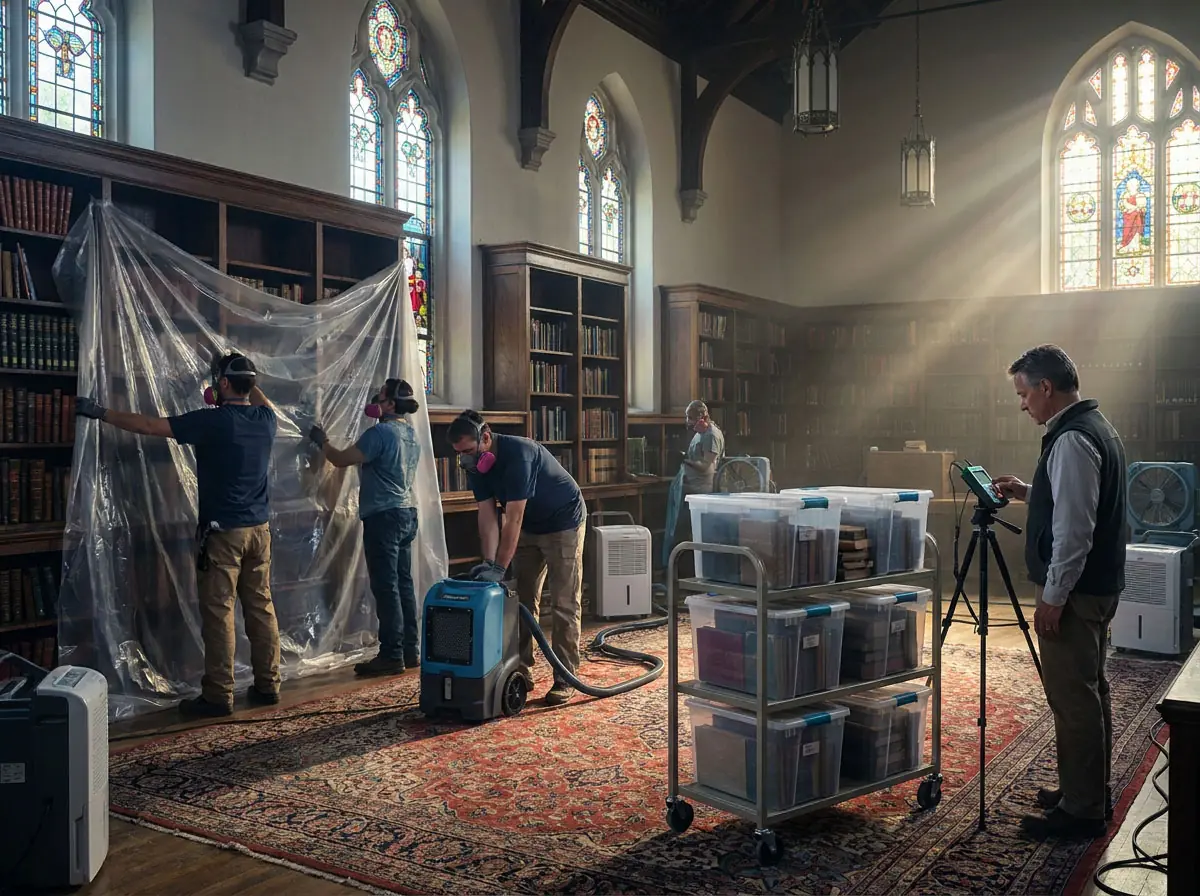
Professional remediation goes beyond the surface. We identify the moisture source, use specialized containment barriers to protect the rest of your home, and ensure the structure is actually dry before we leave. You are not just paying for a clean wall; you are paying for the safety of your indoor air quality.
Why Expertise Matters
- Professionals use moisture meters to find hidden water leaks behind your drywall.
- Certified crews utilize industrial grade HEPA filters to scrub the air of dangerous spores.
- We perform clearance testing to confirm the mold levels are back to a normal range.
If you choose the DIY route, you risk turning a small, localized issue into a whole-house disaster. Save yourself the headache and let the pros handle the heavy lifting while you focus on keeping your family healthy.
The Hidden Hazard: How Mold Colonizes Your Auburn HVAC System
Your HVAC system is designed to circulate air, but in the thick Alabama heat, it often acts as an industrial-scale spore distributor. If you ignore a small patch of mold in a crawlspace or basement, the intake vents will pull those microscopic spores directly into your ductwork.
Once inside, the mold finds a permanent home on moist cooling coils and damp insulation. Instead of just cleaning your air, your system becomes a biological delivery mechanism that infects every single room in your house.
Warning Signs Your HVAC is Under Attack
You cannot always see the mold hiding inside your metal ducts, but your home will give you clear signals. If you notice these symptoms, the mold has likely already colonized your system:
- A sharp, musty odor that spikes immediately when the AC kicks on.
- Unexplained respiratory irritation or allergy symptoms for family members while indoors.
- Visible fuzzy growth around the return air vents or on the interior of register covers.
- Constant dust buildup that returns within days of deep cleaning your floors.
Ignoring these signs allows the colony to grow thick enough to block airflow and damage your HVAC efficiency. Eventually, you are not just breathing in spores; you are paying higher power bills because your equipment is struggling to force air through a moldy blockage. It is a expensive, dangerous cycle that requires a professional inspection to break.
Real-World Restoration: A Case Study of a Local Basement Recovery
Last summer, a family in the Dean Road area called us after a heavy storm left their basement smelling like a locker room. They had spent weeks spraying commercial cleaners on the drywall, unaware that the moisture had already traveled behind the baseboards and into the floor joists.
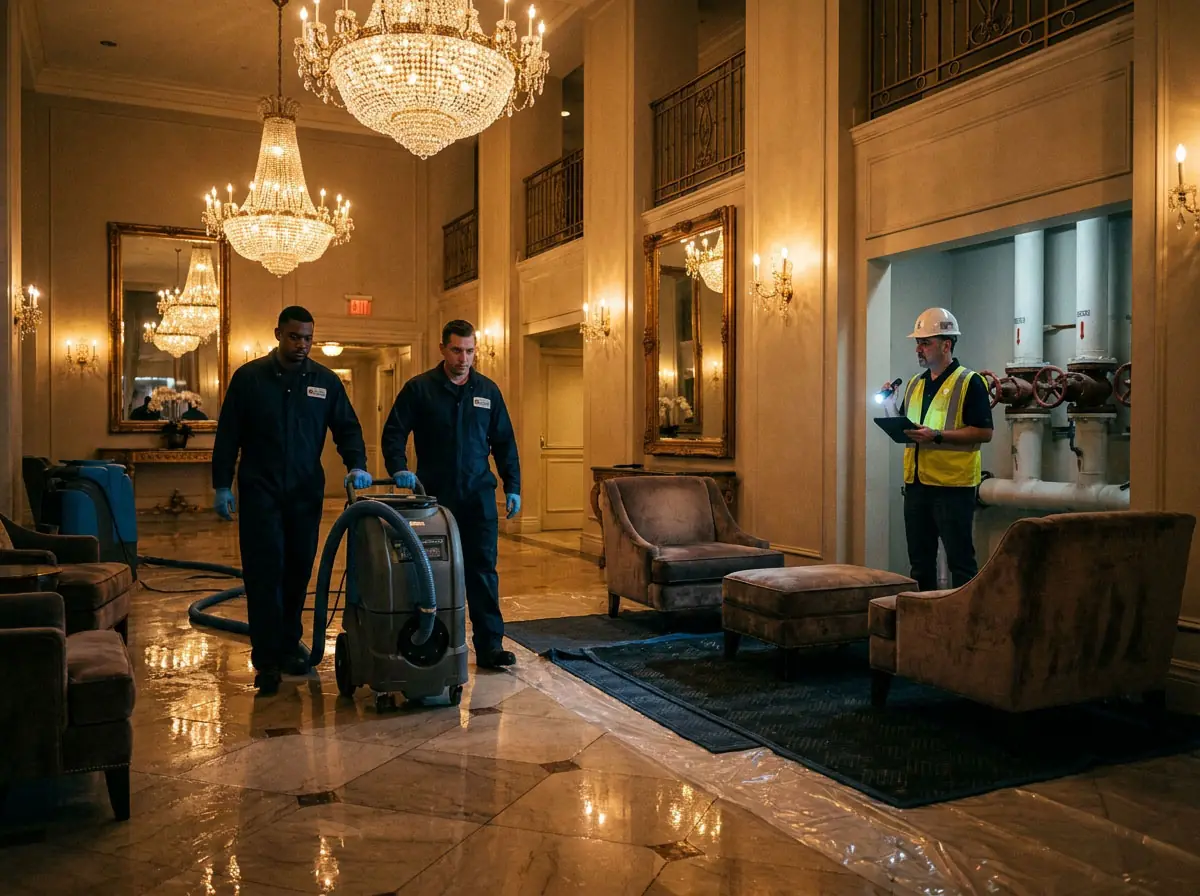
By the time our team arrived, the mold had colonized the subflooring, creating a dangerous air quality situation for their children. We did not just wipe the surface; we had to perform a full structural extraction to save the home from permanent decay.
This incident proves that what you see on the surface is rarely the full story. Here is what we found during that recovery process:
- Sub-surface saturation: Moisture had wicked six inches up the drywall.
- Hidden fungal blooms: Spores were active on the backside of the insulation.
- Structural compromise: The wooden studs required professional antimicrobial treatment.
We eventually saved the basement, but the process took twice as long because of the initial DIY chemical scrubbing. Had they called us the moment they smelled that first hint of dampness, we could have contained the issue with a dehumidifier and targeted cleaning instead of demolition.
Protecting Your Property Value: Long-Term Mold Prevention Strategies for Auburn Homes
Your Auburn home is likely your biggest financial asset. Mold isn't just an eyesore; it is a direct threat to your home equity and resale potential. When potential buyers catch a whiff of that signature musty scent, they don't see a "quick weekend project"—they see a structural nightmare that triggers an immediate run for the door.
To keep your property value high, you must move from reactive cleaning to aggressive prevention. Controlling the environment inside your walls is just as important as keeping your lawn manicured. Focus on these core areas to deny mold the conditions it needs to take hold:
- Maintain indoor humidity levels consistently below 50 percent using a high-quality dehumidifier.
- Ensure your gutters and downspouts direct water at least six feet away from your foundation.
- Have your crawl space inspected annually for standing water or damaged vapor barriers.
- Keep your bathrooms well ventilated by running exhaust fans for at least twenty minutes after every shower.
Proactive maintenance is the cheapest insurance policy you can buy for your house. By stopping moisture at the door, you stop mold before it ever gets a chance to colonize your drywall or subflooring. An investment in a simple sump pump or improved attic ventilation today saves you a small fortune in restoration costs down the road.
Final Words
Mold is not just a cosmetic nuisance, it is a structural predator waiting for the right conditions to attack your home. Ignoring the underlying causes in our Auburn climate is a recipe for expensive, long-term headaches.
If you suspect that spores are gaining ground in your living space, do not hesitate to reach out for professional Mold Remediation. Getting an expert pair of eyes on the situation today can save you from a complete gut renovation tomorrow.
Protecting Your Investment
Your home is likely your largest financial asset. Taking the right steps now ensures that your property remains a safe, healthy environment for your family.
- Inspect your attic and basement after every heavy Alabama rainfall.
- Keep your indoor humidity levels strictly below 50 percent.
- Schedule regular cleanings for your air ducts to prevent spore circulation.
- Address even the smallest plumbing leaks immediately.
Stop trying to fight a biological infection with household cleaning agents. Commit to proper remediation and protect your family from the hidden health risks of untreated mold growth.
People Also Ask
Is mold remediation covered by homeowners insurance in Auburn?
Coverage typically depends on whether the mold growth was caused by a sudden, covered peril like a burst pipe. Policies often exclude mold resulting from long term humidity or poor maintenance, so check your specific plan for details.How do I know if I have a serious mold problem?
Common signs include a persistent musty odor, visible patches of discoloration on walls, and unexplained respiratory irritation among household members. If you suspect an infestation, the EPA provides guidelines on how to manage indoor air quality safely.Can I safely remove mold myself using bleach?
Bleach is generally ineffective on porous surfaces like drywall or wood because it kills surface mold but leaves the roots intact. In the humid Alabama climate, inadequate removal often leads to rapid regrowth and potential cross contamination of other rooms.What is the average cost of professional mold remediation in Auburn?
Costs vary significantly based on the size of the affected area and the extent of the underlying moisture damage. Professional services include containment, removal, and moisture control, which provides a long term solution compared to temporary DIY fixes.Why does mold return after I clean it?
Mold returns because the source of moisture, such as a roof leak or high indoor humidity, has not been eliminated. Without addressing the root cause, mold spores remain active and will colonize damp areas again within a short period.Need Water Damage Restoration Services?
We provide rapid water damage restoration to stabilize your property and prevent further structural issues throughout Auburn and surrounding areas (36830, 36831, 36832, 36849). Our team arrives quickly to extract water and initiate professional drying to restore your home or business to pre-loss condition.
Request Pricing Estimate