


⚡ TL;DR: Addressing a sewage backup cleanup in Atlanta requires immediate professional intervention to eliminate serious health risks, prevent structural damage, and ensure your property is restored safely and correctly.
📋 What You’ll Learn
Discover the critical importance of acting quickly during a sewage crisis in Atlanta. This guide provides expert insights into mitigating health risks and restoring your property safely and efficiently today.
- Identify hidden health hazards found in Category 3 sewage water to protect your family from dangerous pathogens and long term air quality issues within your Atlanta home.
- Avoid common DIY mistakes that frequently escalate property damage and lead to higher restoration costs when homeowners attempt to clean contaminated areas without specialized industrial safety equipment.
- Execute essential emergency steps to secure your household safely while awaiting professional intervention, ensuring you minimize exposure and prevent the further spread of waste throughout your property.
- Understand professional restoration technology used by local experts to sanitize structures, remove moisture, and prevent mold growth using industrial grade tools designed for complete basement recovery.
- Analyze realistic recovery timelines and local cost breakdowns for sewage cleanup projects to help you navigate the financial and logistical realities of the restoration process in Georgia.
📖 Reading time: 7 min
✍️ Author expertise: Atlanta water damage restoration specialist with over a decade of hands on field experience.
You wake up to the smell of rotten eggs, but it isn’t the kitchen trash. Within minutes, you realize a foul, dark sludge is seeping up through your basement drain, turning your home into a toxic hazard zone.
When raw sewage invades your living space, every single second counts. This is not a plumbing problem you can tackle with a mop and a bucket over the weekend.
Microbes, bacteria, and waste are already seeping into your subfloors and drywall, creating a ticking time bomb for your family’s health. If you want to stop the permanent damage before it costs you a fortune, here is exactly why you need to move right now.
The Hidden Health Risks Lurking in Category 3 Water
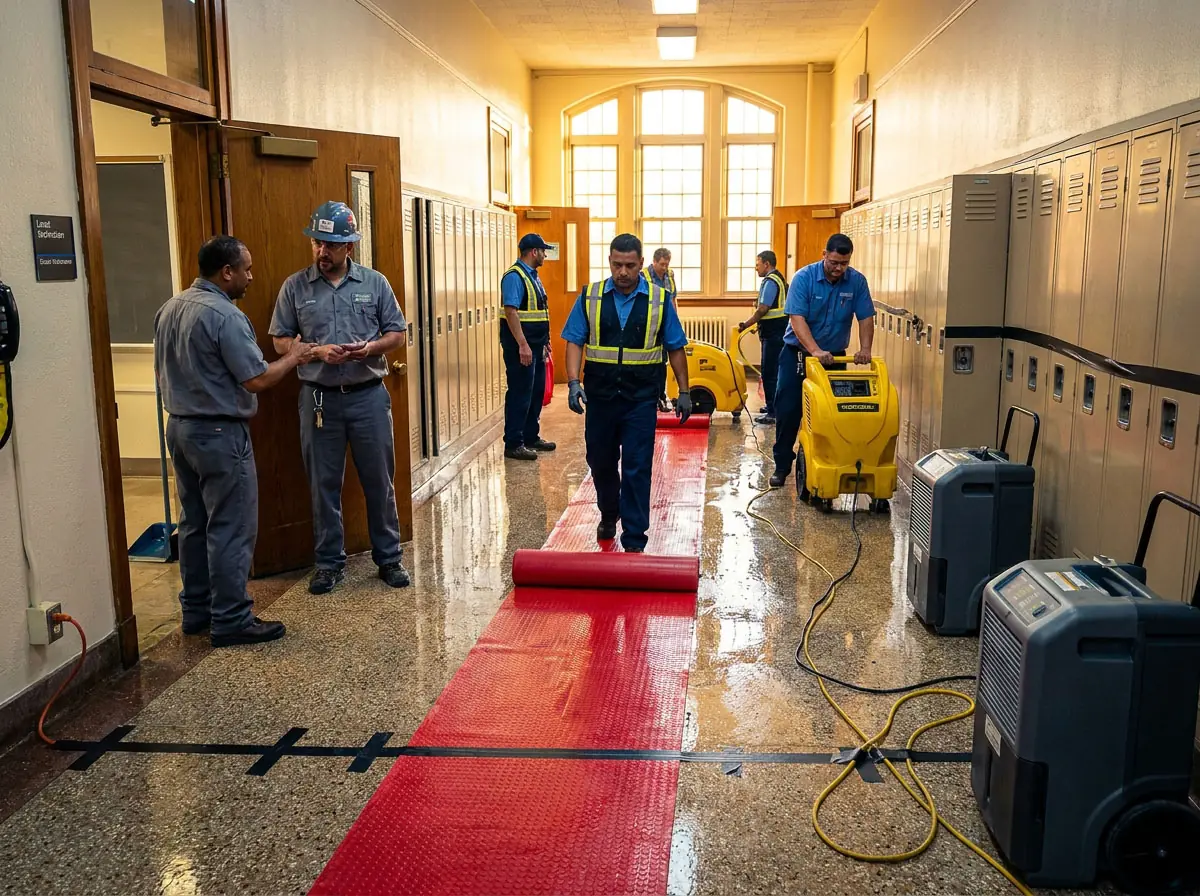
When sewage water backs up into your Atlanta home, it is classified by professionals as Category 3 water, also known as black water. This liquid is not just dirty; it is a toxic cocktail of human waste, pathogens, and harmful microorganisms.
You are dealing with high levels of E. coli, salmonella, and rotavirus. Even brief contact with this material can lead to severe gastrointestinal illness or nasty skin infections.
The danger is not limited to direct contact, either. As the water evaporates, it releases airborne spores that circulate through your HVAC system. Your home becomes a breeding ground for invisible threats that settle on furniture, toys, and carpets.
Why Pathogens Spread Faster Than You Think
These contaminants are microscopic and aggressive. They penetrate porous materials like drywall, insulation, and wood in a matter of hours.
- Bacteria colonies start multiplying instantly, feeding on the organic materials in your flooring.
- Mold begins to take root behind walls where moisture is trapped, often hidden from your naked eye.
- Viruses can survive on damp surfaces for days, waiting for an unsuspecting family member to touch them.
Ignoring the problem for even a single day allows the contamination to migrate into your foundation. Once these microbes settle into your subfloor joists, the risk of long-term structural decay skyrockets. You are not just cleaning a spill; you are performing a full-scale medical decontamination of your living environment.
Why DIY Cleanup Attempts Often Make the Problem Worse
Most homeowners assume that a mop, a bottle of bleach, and some heavy-duty trash bags are enough to handle a sewer backup. This is a dangerous misconception that often ends in tragedy for your home structure.
When you start scrubbing raw sewage, you are actually agitating the contaminants. You spray microscopic pathogens into the air, turning a contained liquid mess into an airborne biological hazard that settles deep inside your HVAC system.
Instead of cleaning, you are essentially spreading the infection across your entire floor plan. Professional equipment is not just for show; it is required to contain the spread.
The Real Dangers of DIY Sewage Removal
Attempting to handle Category 3 water without industrial-grade containment puts your health and property value at extreme risk. Consider these common pitfalls:
- Cross Contamination: Walking through the sludge and then moving to clean areas carries E. coli and salmonella throughout your house.
- Incomplete Drying: Sewage penetrates porous materials like drywall and wood studs, which trap moisture behind the walls and fuel rapid mold growth.
- Chemical Misuse: Household cleaners often fail to neutralize biohazards, creating a false sense of security while the bacteria continues to multiply underneath your floorboards.
- Lack of PPE: Standard gloves and masks provide zero protection against the airborne viral particles found in raw sewage.
Your home is designed to breathe, but sewage clogs that process. If you do not remove the materials at a molecular level, the toxic residue stays trapped in your home for years. Do not risk your family's safety by treating a biohazard emergency like a simple household spill.
Immediate Steps to Protect Your Family While Waiting for Pros
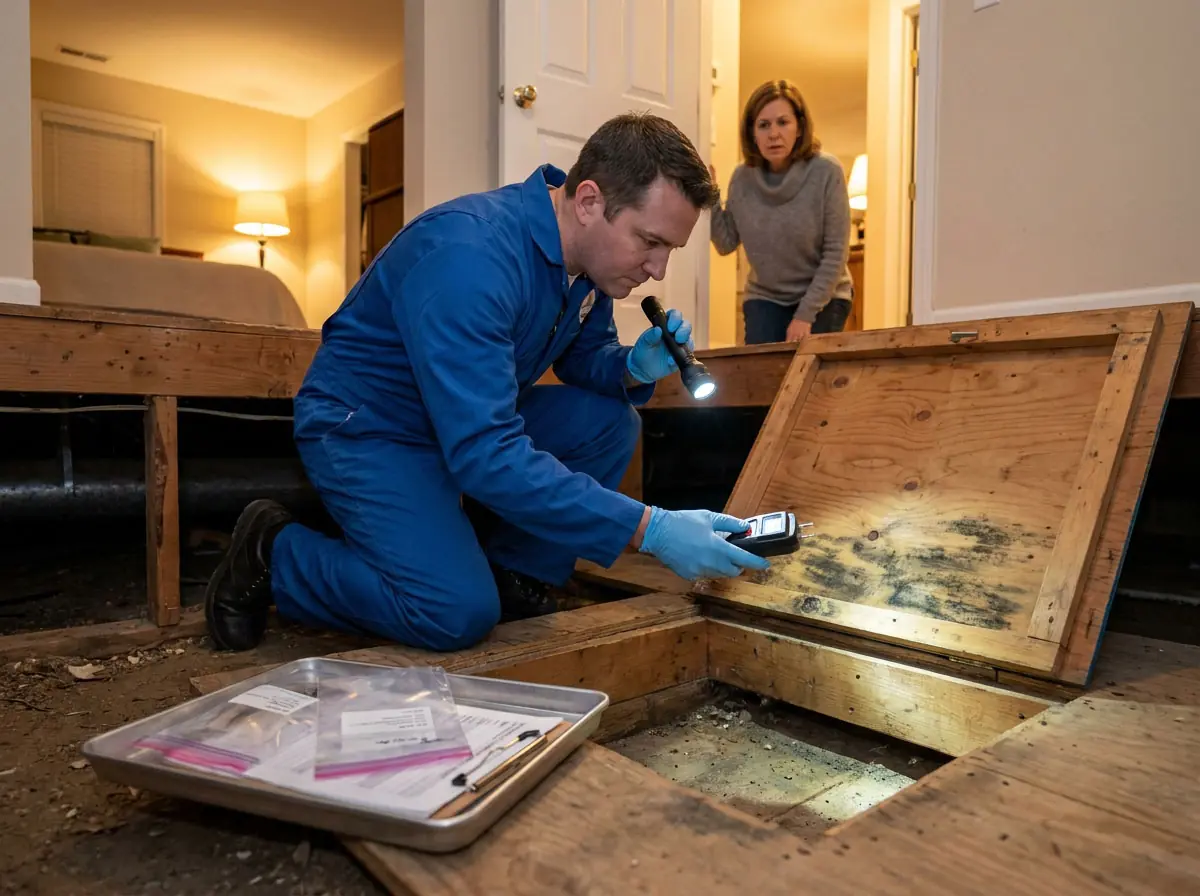
The moment you discover sewage, your priority must be total isolation of the area. Do not attempt to walk through the sludge or touch any contaminated items, as the bacteria levels are high enough to cause serious illness within minutes of contact.
Shut off the main water valve to your home immediately to prevent more water from entering the sewer lines. If the electrical breaker box is not located in the flooded area, turn off the power to the basement to eliminate the risk of deadly electric shock.
Safety Protocol Checklist
- Evacuate all children and pets from the affected level of the house immediately.
- Seal off the doorway with heavy plastic sheeting and duct tape to contain airborne pathogens.
- Open windows in adjacent, non-contaminated rooms to create airflow, but never use fans inside the sewage-filled area.
- Avoid touching your face or eyes if you have been near the spill, and wash your skin thoroughly with hot soap and water.
Most homeowners assume they can fix this with a mop or a shop vacuum, but this is a massive mistake. Household cleaning tools are porous and will only spread the bacteria further, turning a contained incident into a home-wide sanitation crisis.
Keep everyone away until our team arrives with the proper industrial-grade protective gear. We have the specialized equipment required to handle Category 3 water safely, ensuring that your home is sanitized rather than just wiped down.
Atlanta Sewage Restoration: A Case Study in Basement Recovery
Last month, we received a distress call from a homeowner in Buckhead who experienced a major sewer line failure during a heavy rainstorm. The basement, which served as a finished media room, was submerged in several inches of Category 3 black water.
Because the owner called within two hours of the breach, we were able to save the framing and the concrete slab. We prevented what would have been a total gut job by acting with extreme speed.
Here is what the recovery process looked like for this Atlanta residence:
- Day 1: Emergency extraction of standing waste and disinfection of porous surfaces.
- Day 2: Industrial-grade dehumidification and air scrubbing to neutralize pathogens.
- Day 3: Moisture mapping to ensure zero residual saturation in the wall cavities.
- Day 4: Final clearance testing to verify the area was safe for family occupancy.
The lesson here is simple. This homeowner dodged a massive financial loss because they understood that sewage wait times determine the price tag. When you leave organic matter soaked in fecal bacteria for days, you aren't just looking at a cleanup. You are looking at a full-scale demolition of your foundation and wall structure.

Breakdown of Cleanup Costs and Restoration Timelines
When sewage floods your Atlanta home, you want straight answers about the investment required to make it safe again. Every property is unique, but professional restoration follows a predictable path to prevent long term structural rot and mold growth.
| Phase | Estimated Timeline | Cost Factors |
|---|---|---|
| Emergency Extraction | 2 to 6 hours | Size of affected area |
| Sanitization and Disinfection | 1 to 2 days | Volume of porous materials |
| Structural Drying | 3 to 5 days | Moisture saturation levels |
| Material Replacement | 3 to 7 days | Quality of finishes |
The total price tag depends heavily on how quickly you stop the source and get our team on site. Costs rise sharply when contaminated water sits, as that delay forces us to remove more baseboards, insulation, and flooring that could have been saved.
Key Variables Affecting Your Bottom Line
Beyond the simple square footage, several hidden factors drive the final invoice for sewage mitigation. Understanding these allows you to make smart decisions when insurance adjusters arrive.
- Material Porosity: Carpet and drywall act like sponges for waste; these almost always require complete removal.
- Depth of Contamination: Deeper saturation requires heavy duty industrial disinfectants and longer drying cycles.
- Plumbing Complexity: If the backup stems from a main line break under your foundation, you will need specialized excavation work.
- Air Quality Control: Setting up negative air machines is essential to prevent spores from spreading to the rest of your house.
Never gamble with low cost, fly by night operators who skip the proper decontamination protocols. Using the right equipment during these first few days is the only way to avoid a secondary mold nightmare that costs three times as much to fix later.
Professional Mitigation: The Industrial Tech Required to Save Your Structure
When raw sewage floods your basement, standard household cleaning products are useless. You are dealing with Category 3 water, which contains pathogens that can survive long after the surface appears clean. Professional restoration requires specialized gear that creates a sterile environment before any structural drying even begins.
We deploy industrial-grade equipment designed to scrub the air and penetrate porous materials where bacteria hide. Without this heavy-duty hardware, you are essentially painting over a ticking time bomb.
Essential Tools for Sewage Recovery
Our team relies on specific technology to stop cross contamination in its tracks:
- HEPA Scrubbers: These units filter microscopic contaminants out of the air to prevent hazardous spores from circulating through your HVAC system.
- Industrial Dehumidifiers: Standard floor fans do not cut it. We use high-capacity units to pull moisture out of wall cavities and concrete floors, preventing long term mold growth.
- Moisture Mapping Tools: Infrared cameras and thermal hygrometers track water migration hidden behind drywall, ensuring we do not leave any damp patches behind.
- Antimicrobial Foggers: These devices dispense hospital grade disinfectants that reach every nook and cranny, neutralizing bacteria that a mop can never touch.
The difference between a home that is truly safe and one that is just "clean looking" comes down to this specialized intervention. By removing saturated drywall and disinfecting the studs before they trap moisture, we prevent the deep rot that ruins foundations. Do not risk your property value by relying on amateur techniques when the structural integrity of your home is on the line.
Final Words
When raw sewage hits your floors, the clock is not just ticking, it is screaming. You have to decide whether you want a clean home or a permanent biohazard zone.
If you are currently facing a disaster, do not wait for the morning light to call for help. Expert Sewage Backup Cleanup is the only way to ensure your property is actually sanitized rather than just covered up.
Your Immediate Checklist
- Get everyone, including pets, out of the affected area immediately.
- Shut off the main water valve to prevent further flooding.
- Call a professional restoration team before you touch anything.
- Document the damage with clear photos for your insurance claim.
Do not be fooled by store bought chemicals or household cleaners. They lack the industrial strength needed to kill pathogenic bacteria that hide deep inside porous materials like wood studs and drywall.
Your family’s health is worth more than a DIY gamble. Stop the spread of contamination now so you can stop worrying about what might be growing beneath your feet.
People Also Ask
Is sewage backup in an Atlanta home considered a health hazard?
Yes, raw sewage is classified as Category 3 water, which contains harmful bacteria, viruses, and parasites. Exposure to these pathogens can cause severe illnesses, making professional decontamination essential for the safety of your household.Should I attempt to clean up a sewage backup myself?
You should avoid DIY cleanup because standard household cleaners cannot effectively disinfect porous materials contaminated by sewage. According to the EPA guidelines, improper handling of contaminated materials can spread pathogens throughout your home and lead to long term mold growth.How quickly should I call for sewage restoration services in Atlanta?
You must contact a restoration professional immediately upon discovering a backup. Fast action is critical to prevent the waste from soaking into floorboards, drywall, and insulation, which significantly reduces the time and cost required for repairs.Does homeowners insurance cover sewage backup in Atlanta?
Coverage depends entirely on your specific policy and whether you have a supplemental water backup endorsement. You should review your policy documents or contact your agent to determine if sudden sewer line failures are included in your current protection plan.What industrial equipment is needed for professional sewage cleanup?
Experts utilize high powered submersible pumps, industrial dehumidifiers, and HEPA air scrubbers to remove contaminated water and moisture. This specialized equipment is necessary to safely sanitize the area and restore indoor air quality to healthy levels.Need Water Damage Restoration Services?
We provide rapid water damage restoration across Atlanta and surrounding areas to stabilize your property and prevent further structural issues. Our team acts immediately to extract water, dry your space, and restore your home or business to its original condition (30303, 30305, 30309, 30318).
Request Price Estimate