


⚡ TL;DR: This educational guide explains why crawl space water removal is vital for Athens homeowners to prevent structural decay, protect indoor air quality, and secure their property against damage.
📋 What You’ll Learn
In this guide, we explore the critical process of crawl space water removal in Athens, GA, helping homeowners identify hidden moisture risks and protect their properties from long term structural damage.
- Identify local climate triggers that cause specific flooding issues in Athens soil, helping you understand why our regional humidity creates a constant threat for residential crawl space foundations.
- Recognize silent structural warnings by learning how standing water erodes wooden joists and beams, which can lead to expensive foundational repairs if you ignore early signs of decay.
- Protect your indoor air quality by discovering the dangerous link between damp crawl spaces and mold spores, which frequently travel upward to compromise the health of your family.
- Master professional extraction protocols used by experts to dry your home, including why industrial grade dehumidification and high quality vapor barriers are essential for long term moisture control.
📖 Reading time: 7 min
✍️ Author expertise: Certified water damage restoration specialist with decades of field experience across Athens, Georgia.
Most Athens homeowners never give a second thought to the dark, dirt-floored gap beneath their living room floorboards. But while you sleep soundly upstairs, a silent rot is feasting on your home's structural integrity.
That damp, musty smell you noticed near the hallway closet isn't just a nuisance. It is the unmistakable warning sign that your crawl space has become a breeding ground for toxic mold and deep-set structural decay.
You might think a little moisture is harmless, but ignoring standing water under your house is a fast track to thousands of dollars in preventable repairs. Let’s look at exactly what is happening beneath your feet right now and why waiting even one more week could be a massive mistake.

The Athens Climate Factor: Why Our Soil and Humidity Trigger Crawl Space Flooding
Athens sits in a unique geographic pocket where the heavy red clay soil acts more like a sponge than a drain. When our frequent Georgia thunderstorms roll through, that clay does not absorb water so much as it traps it directly against your home’s perimeter.
Because the ground stays saturated for days after the rain stops, the hydrostatic pressure forces moisture through your foundation walls. This is exactly how a minor rain event turns into a long-term water management disaster for your crawl space.
Beyond the soil issues, our local climate is defined by oppressive humidity levels that rarely drop. When warm, moisture-rich air enters your cool, dark crawl space, it undergoes a process called condensation. This creates a cycle of constant dampness that never actually dries out on its own.
The Environmental Risks
- High Water Tables: Many Athens neighborhoods are built on low-lying ground where groundwater naturally pools.
- Poor Drainage Grading: If your yard slopes toward the house instead of away, your crawl space becomes the lowest point for all local runoff.
- The Clay Factor: Georgia red clay expands when wet, putting immense stress on foundation seals and cracks.
You are essentially fighting a two-front war. You have water pushing in from the soil below and condensation forming from the air above. Without a proactive intervention, your home stays in a state of permanent humidity that acts as a fuel source for rot and decay.
Silent Structural Damage: How Moisture Erodes Joists, Beams, and Foundations
Your home is a giant organic sponge. When water settles in your crawl space, the wooden components beneath your floors act like a wick, drawing that moisture upward into the structural heart of your house.
Once the wood moisture content spikes above 20 percent, the clock starts ticking on permanent decay. This is not just a surface issue; it is a mechanical failure in the making. The load-bearing joists that hold up your kitchen, living room, and bedrooms lose their rigidity, causing them to sag or, in extreme cases, collapse entirely.
The Warning Signs of Rotting Infrastructure
You do not need to be a professional contractor to spot the early warning signs of a failing crawl space. Keep an eye out for these specific red flags during your next inspection:
- Springy or soft floorboards when you walk across certain rooms.
- Interior doors that suddenly refuse to latch or close properly.
- Cracks forming in your drywall, particularly around window frames and corners.
- Visible white or fuzzy growth on the wooden piers and sub-flooring.
- The smell of rotting vegetation or wet soil inside your hallway.
Ignoring these symptoms is a gamble you will eventually lose. Wood-destroying fungi thrive in the dark, humid environment of an Athens crawl space, and they do not stop until the wood is completely compromised. If you notice your floors feeling uneven, the moisture has already traveled from the dirt floor, through the joists, and into your living space. At this stage, professional intervention is the only way to halt the decay before the repair bills shift from a manageable expense to a total home renovation.

Health Hazards: The Link Between Crawl Space Spores and Indoor Air Quality
Here is a cold, hard fact most homeowners ignore: your home acts like a vacuum. When the sun heats your roof, it pulls air from your crawl space up into your living quarters, a process experts call the stack effect.
If that space is filled with standing water, you are essentially breathing in whatever is floating around in that dark, damp void. You aren't just dealing with a puddle; you are dealing with a microscopic biological factory producing airborne toxins.
The Real Risks to Your Family
When moisture levels stay high, mold colonies thrive on your floor joists and insulation. These colonies release spores into the air, which then migrate through your subfloor and floor vents to settle in your bedroom, kitchen, and living room.
For many families, this triggers recurring health issues that seem to have no logical cause. Consider these common symptoms linked to poor indoor air quality:
- Chronic sinus congestion and frequent headaches.
- Persistent respiratory issues or aggravated asthma.
- Unexplained skin rashes or allergic reactions.
- Fatigue caused by poor air circulation.
You cannot simply mask these odors with air fresheners or candles. Those products only hide the smell while the mycotoxins continue to settle into your carpets, furniture, and curtains. Until you tackle the water source directly beneath your floorboards, you are essentially living in a house that is actively compromising your health.
Anatomy of an Emergency: A Table Breakdown of Water Intrusion Sources and Immediate Risks
When water finds its way under your home, it rarely stays put. You need to identify the culprit before the damage spreads to your main floor.
| Source of Intrusion | Immediate Danger Level | Primary Consequence |
|---|---|---|
| Groundwater Seepage | High | Saturated insulation and rot |
| Leaking Plumbing | Critical | Rapid bacterial growth |
| Faulty Downspouts | Moderate | Flooding after heavy rain |
| Broken Vapor Barrier | Low to Moderate | Excessive crawl space humidity |
Most homeowners assume a small puddle will dry out on its own. That is a dangerous gamble. In our Athens climate, standing water rarely evaporates completely because the earth acts like a sponge, holding moisture long after the rain stops.
Once the water is trapped, it initiates a destructive chain reaction.
The silent killers you are ignoring:
- Wood rot: Softened floor joists that can no longer support the weight of your home.
- Pest attraction: Termites and carpenter ants thrive in damp, decaying wood.
- Electrical hazards: Corroded wiring connections that sit dangerously close to standing water.
If you see signs of pooling, do not wait for the sun to come out. Taking immediate action prevents the moisture from wicking up into your subfloor and migrating into your living space.
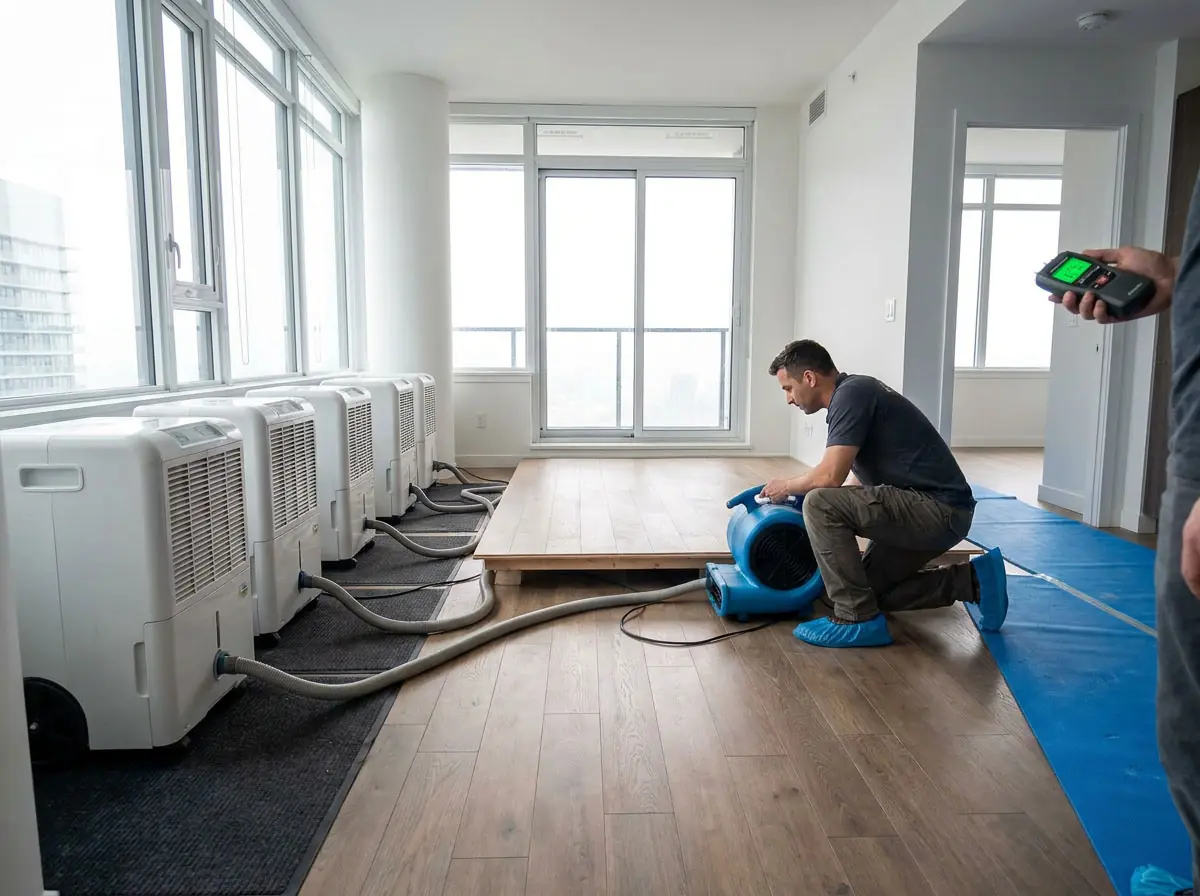
From Standing Water to Restoration: A Case Study of a Local Athens Home Recovery
Last spring, a homeowner in the Five Points neighborhood called us in a panic. Their floorboards were cupping, and a strange, earthy stench had taken over the entire ground floor.
When we opened the crawl space hatch, we found nearly four inches of standing water sitting on top of the vapor barrier. The insulation had turned into a heavy, sodden sponge, sagging toward the dirt.
Here is what we discovered during our initial inspection and the steps we took to reverse the damage:
- Phase One: We pumped out over 300 gallons of standing water to stop the immediate threat.
- Phase Two: Our crew stripped out all contaminated insulation and debris to eliminate the primary mold food source.
- Phase Three: We applied a botanical antimicrobial treatment to kill active mold colonies on the wood framing.
- Phase Four: Industrial-grade drying equipment ran for five days to pull moisture out of the floor joists and subflooring.
- Phase Five: We installed a new, reinforced 12-mil vapor barrier to seal the area from future ground moisture.
The transformation was night and day. By the time we finished, the musty odor vanished completely, and the home's air quality sensors showed a massive drop in humidity levels.
The homeowner saved thousands by acting before the rot reached the structural header beams. Now, their home is dry, stable, and, most importantly, safe for their young children to crawl on again.
Professional Extraction Protocols: Why Industrial Dehumidification and Vapor Barriers Are Essential
You cannot simply pump out a few inches of water and call it a day. In the humid Athens climate, trapped moisture seeps deep into the wood and soil, necessitating a clinical approach to drying that goes far beyond surface level solutions.
Our team deploys industrial grade air movers and low grain refrigerant dehumidifiers to pull moisture from the very air beneath your floors. This process is about forcing a state of equilibrium where your crawl space is drier than the outside air.
Once the standing water is gone, the real work of containment begins. We install thick, high quality vapor barriers that effectively seal the earth off from your home.
The Restoration Sequence
- Water Extraction: Removing all liquid and debris to stop immediate absorption.
- Antimicrobial Treatment: Applying specialized agents to kill active fungal colonies.
- Structural Drying: Running high velocity fans to restore moisture content to safe levels.
- Vapor Barrier Installation: Wrapping the space in a sealed poly liner to block future soil evaporation.
Without this specialized equipment, your crawl space will remain a high humidity trap that invites mold back within days. A vapor barrier acts as a permanent shield, preventing ground moisture from ever reaching your floor joists again.
By locking down the environment, we stop the cycle of decay before it can restart. This is the only way to guarantee that your home stays dry and structurally sound for the long haul.
Protecting Your Investment Before the Next Storm Hits
Your home is likely the biggest financial asset you own. It makes zero sense to let a leaky pipe or a pooling puddle destroy its value from the bottom up.
Proactive maintenance is the only real insurance against a total disaster. If you wait for the next heavy Athens downpour to act, you are already losing the game.
Here are the non-negotiable steps to secure your property:
- Inspect your downspouts to ensure they discharge water at least six feet away from the foundation.
- Check the grading around your home; soil should slope away from the exterior walls, not toward them.
- Install a professional-grade sump pump if your property sits in a low lying area.
- Schedule a routine crawl space inspection to catch early signs of moisture before mold takes hold.
If you suspect moisture is already lingering beneath your floorboards, do not ignore the warning signs. Professional Crawl Space Water Removal is not just a cleaning service; it is a vital home preservation strategy.
When you stop water intrusion early, you prevent the need for expensive structural rebuilds later. Reach out for an assessment today to ensure your foundation stays dry, safe, and sound.
People Also Ask
How much does crawl space water removal cost in Athens?
The cost depends on the volume of standing water, the duration of the flooding, and the extent of required structural repairs. We perform a site assessment to provide an accurate estimate based on the specific contamination levels found in your crawl space.Is crawl space moisture dangerous to my health?
Yes, trapped moisture leads to mold growth that compromises your indoor air quality by releasing spores into your living space. The Environmental Protection agency notes that controlling humidity is the most effective way to prevent these hazardous biological pollutants.How can I tell if I have water under my house?
Common warning signs include a musty smell inside your home, visible dampness on floor joists, or unusually high humidity levels on your thermostat. If you notice signs of floor cupping or sagging, you should contact a professional immediately to inspect the foundation.Does homeowners insurance cover crawl space flooding?
Coverage typically depends on the source of the water, as insurance often distinguishes between sudden plumbing failures and gradual groundwater seepage. We recommend reviewing your specific policy or contacting your agent to clarify if your water damage claim is eligible for restoration coverage.How long does it take to dry out a flooded crawl space?
Professional drying with industrial equipment generally takes between three to five days, depending on the saturation of the soil and building materials. We use high capacity dehumidifiers and commercial fans to ensure the environment reaches safe moisture levels before we seal the area.Need Water Damage Restoration Services?
We provide rapid emergency water extraction and structural drying to restore your property in Athens and surrounding areas. Our team stops water damage on contact to secure your home or business quickly (30601, 30605, 30606, 30607).
Request Price Estimate