
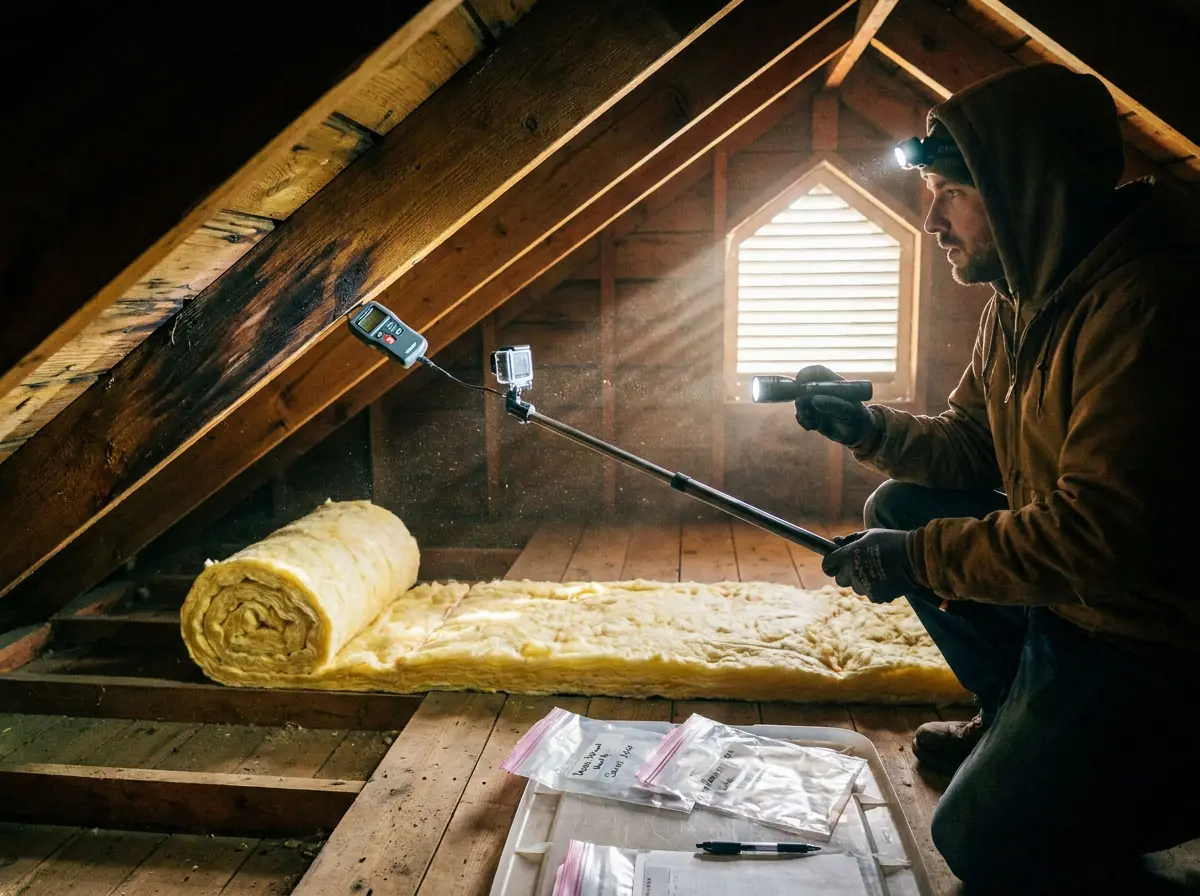


⚡ TL;DR: This guide provides essential information for Ankeny residents on managing sewage backup cleanup safely, emphasizing professional intervention to protect your health and minimize long term property damage.
📋 What You’ll Learn
Dealing with a sewage backup in your Ankeny home is an overwhelming emergency. This guide provides essential safety steps, professional remediation techniques, and expert advice to protect your property and health.
- Identify hidden health risks associated with raw wastewater exposure, helping you recognize why immediate professional containment is necessary to keep your family and pets safe from harmful pathogens.
- Follow critical safety protocols designed for Ankeny residents, ensuring you have the proper protective gear and knowledge to minimize contact with contaminants before our emergency restoration crew arrives onsite.
- Implement rapid mitigation strategies to stop the spread of wastewater throughout your basement, which limits structural damage and prevents the growth of toxic mold in your property.
- Navigate insurance claims successfully by learning how to document the loss accurately, gather required evidence, and communicate effectively with adjusters to ensure a fair and timely settlement.
📖 Reading time: 8 min
✍️ Author expertise: Certified water damage restoration expert serving Ankeny homeowners with years of field experience.
You walk into your basement to grab a box, only to be hit by a stench so thick it sticks to the back of your throat. That foul standing water isn't just a mess; it is a toxic cocktail of raw waste and dangerous bacteria creeping across your floors.
Most homeowners in Ankeny make the mistake of grabbing a mop and a bucket, not realizing they are putting their health and their home's structure in serious jeopardy. Sewage backup is not a weekend DIY project, and treating it like a standard spill is a gamble you cannot afford to take.
Before you make a move that could turn a bad situation into a total catastrophe, here is exactly how to handle the danger and stop the contamination in its tracks.

Immediate Health Hazards: Why Raw Sewage Requires Professional Intervention
When raw sewage invades your home, you are facing a Category 3 water loss. This is highly toxic water that contains human waste, parasites, and pathogens that can send you to the hospital.
Bacteria like E. coli and Salmonella thrive in these conditions. They do not wait for an invitation; they seep into your drywall, porous flooring, and air vents within minutes.
Attempting to clean this yourself exposes you to direct contact with these silent killers. Even breathing the aerosolized particles rising from the wet surfaces can trigger severe respiratory issues or skin infections.
Professional restoration teams wear specialized gear to block these risks. Here is what you are up against if you try to handle this without IICRC certified equipment:
- Parasitic Infections: Giardia and Cryptosporidium can survive for long periods in damp, dark environments.
- Airborne Toxicity: As the sewage dries, waste particles become airborne and circulate through your HVAC system.
- Chemical Exposure: Drain cleaners and harsh household chemicals often mix with the backup, creating toxic fumes.
- Antibiotic Resistant Strains: Staph infections are a real threat when skin comes into contact with contaminated water.
Your immune system is not equipped to fight off the concentrated viral load found in a residential sewage leak. Do not gamble with your family’s safety by treating this like a simple plumbing clog or a leaky pipe.
Critical Safety Checklist: A Table Breakdown of Necessary Protective Measures
When you step into a sewage-contaminated area, you are walking into a biological minefield. The pathogens found in raw waste, such as E. coli, Salmonella, and rotavirus, can enter your system through skin contact, inhalation, or accidental ingestion. You must treat the area as a Category 3 loss, which is the most severe classification of water damage.
| Risk Factor | Required Protection |
|---|---|
| Direct Skin Contact | Nitrile or heavy-duty rubber gloves |
| Inhalation of Fumes | P100 respirator mask |
| Eye Exposure | Goggles with a tight seal |
| Body Contamination | Disposable waterproof coveralls |
| Tracking Contaminants | Rubber boots (decontaminated later) |
If you absolutely must enter the space before our professional team arrives, adhere to these strict protocols to minimize exposure. Never touch your face or consume food until you have fully sanitized your hands and changed your outer layers. Your goal is containment, not cleanup; keep the door to the affected room shut and seal the perimeter with duct tape if necessary to prevent airborne spores from moving through your HVAC system.
Essential Safety Rules for Homeowners
- Turn off the main electrical breaker if water is near wall outlets or appliances.
- Avoid turning on fans or HVAC systems, as this spreads bacteria throughout your home.
- Keep children and pets completely isolated from the vicinity.
- Do not attempt to salvage porous items like carpeting or drywall that have soaked up waste.
Step-by-Step Mitigation: How Certified Technicians Contain the Contamination
When our team arrives at your Ankeny property, we do not start by scrubbing floors. We begin by establishing a strict containment perimeter to ensure that harmful bacteria and pathogens do not migrate to the clean areas of your home.
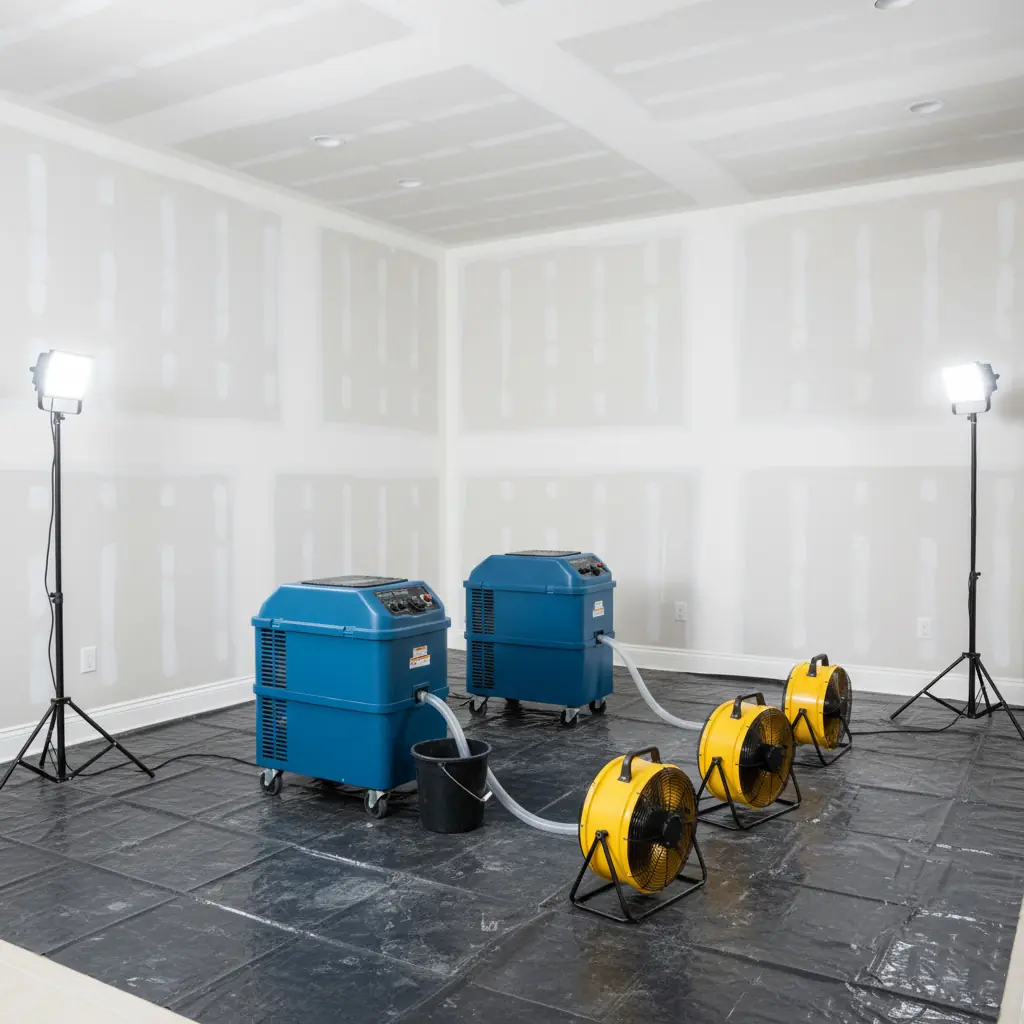
We use heavy-duty physical barriers and negative air pressure machines to lock the contamination in place. This prevents airborne mold spores or sewage vapors from spreading through your HVAC system and into your living spaces.
Once the area is isolated, our certified technicians execute a systematic removal process:
- Deploying specialized high-suction pumps to extract all standing wastewater.
- Removing all porous materials that have come into contact with the waste, including carpeting, drywall, and insulation.
- Applying medical-grade antimicrobial agents to neutralize pathogens on all structural surfaces.
- Utilizing industrial-strength dehumidifiers to draw moisture out of the studs and flooring to prevent future mold growth.
Speed is the only thing that matters when dealing with waste. Every hour that sewage sits, it penetrates deeper into your foundation and porous materials. By acting fast, we stop the biological threat before it forces you to undergo a total tear-out of your basement walls.
Protecting Your Property: Essential Steps to Minimize Secondary Damage
When raw sewage infiltrates your Ankeny home, time is your worst enemy. Secondary damage happens fast as moisture seeps into porous materials like drywall, carpeting, and baseboards, acting as a petri dish for mold growth within hours.
Your goal is to stop the spread before it claims more of your property. Follow these high-impact steps to lock down the area:
- Shut off the main water supply to prevent more liquid from entering the flooded zone.
- Turn off the power to the affected area if it is safe to do so, as electrical shorts near standing water create lethal fire hazards.
- Avoid tracking sewage into clean parts of your home by staying out of the contaminated zone entirely.
- Open windows only if they provide airflow away from living spaces, but do not use standard box fans, which will spread bacterial aerosols throughout your HVAC system.
Most homeowners assume a quick drying session will save their carpet or drywall, but that is a dangerous myth. Sewage contains pathogens that embed deep into the fibers of furniture and the porous structure of building materials. Do not try to salvage items that have been saturated by waste, as they are likely compromised beyond repair.
Focus on protecting the rest of your home by sealing off the basement door with heavy-duty plastic sheeting and duct tape. By creating a physical barrier, you prevent toxic airborne particles from circulating through your vents and reaching your bedrooms or kitchen. Leave the heavy lifting to our certified restoration experts who possess the industrial gear necessary to sanitize your home safely.

Success in Ankeny: A Case Study in Basement Sewage Remediation
Last winter, a homeowner in the Prairie Trail neighborhood faced a nightmare scenario when a city line blockage forced raw sewage into their finished basement. The family attempted to dry the area with fans, which only spread aerosolized pathogens throughout their HVAC system and into the living quarters above.
When our team arrived, we treated the space as a Class 3 water loss, meaning the contamination was highly unsanitary. We immediately set up a negative air pressure containment zone to keep the bacteria from migrating to the rest of the house.
The cleanup followed a strict professional protocol to restore safety:
- Full PPE gear was worn by all technicians to prevent exposure to E. coli and salmonella.
- All porous materials, including saturated drywall and carpet padding, were removed and disposed of as hazardous waste.
- High-grade antimicrobial agents were applied to all structural framing to kill lingering mold and bacterial colonies.
- Industrial-strength air scrubbers ran for 72 hours to ensure the air quality returned to safe, breathable levels.
Because we caught the issue before the moisture reached the main floor joists, the homeowner saved thousands in structural repairs. The family moved back into a sanitized, odor-free basement within five days, proving that fast action by experts is the only way to beat a sewage backup.
Insurance Claims and Documentation for Wastewater Losses
Dealing with sewage is a nightmare, but the paperwork shouldn't be the thing that keeps you up at night. Most homeowner insurance policies in Iowa have specific clauses regarding water damage, but coverage for sewage backup often requires an additional endorsement.
You need to act fast to prove your case. Insurance adjusters are looking for reasons to deny claims, and sloppy documentation is the easiest way for them to say no. Start by grabbing your smartphone and recording everything before anyone touches the mess.
Essential Documentation Checklist
- Take clear, high resolution photos of the standing water levels.
- Capture video footage of the source of the leak or pipe failure.
- Create a detailed inventory of every damaged item, including brand names and approximate ages.
- Keep a physical folder of every receipt related to emergency supplies or professional service calls.
- Write down the exact time and date you discovered the backup to establish a clear timeline.
Do not throw away any ruined items until the adjuster has had a chance to inspect them. It sounds gross to keep soggy carpet or moldy drywall in your garage, but those physical samples are the primary evidence that supports your claim.
Always request a written report from your restoration crew. A professional assessment detailing the category of water and the scope of work performed serves as a powerful document when you submit your claim to the insurance company. If the restoration company acts as a liaison, it can take the heavy lifting off your shoulders and ensure the technical language matches what the adjusters require for payout approval.
When to Call for Emergency Restoration Services
Do not wait for the sun to rise or for the smell to dissipate before you take action. The clock is ticking the moment that pipe bursts or the sewer line backs up into your home.
If you see standing water, notice foul odors, or spot debris from the sewer system, you need immediate professional help. You are dealing with Category 3 water, which is highly contaminated and poses a direct threat to your family.
You should contact our emergency response team for Sewage Backup Cleanup the second you identify these warning signs:
- Water is pooling around floor drains or toilets.
- You hear bubbling or gurgling sounds coming from your plumbing fixtures.
- There is visible sewage sludge or solid waste on your basement floor.
- Family members or pets begin showing signs of unexplained respiratory irritation.
Professional intervention is the only way to ensure the area is properly sanitized and dried to industry standards. Attempting to scrub the surface yourself often leaves pathogens trapped in porous materials like drywall, carpet, or wood framing.
Our technicians use industrial-grade equipment to remove the toxins and prevent long-term mold growth. We provide the peace of mind that your home is safe to inhabit again, rather than just masking the symptoms of a much deeper problem.
People Also Ask
Is sewage backup in my home considered a health emergency?
Yes, raw sewage contains harmful bacteria, viruses, and parasites that pose serious risks to human health. You should avoid contact with any affected areas and keep pets or children away until professionals have sanitized the space.What should I do immediately after discovering a sewage leak in my Ankeny basement?
Turn off your main water supply if possible and avoid walking through the contaminated water. Contact a professional restoration team immediately to begin the containment process and prevent the spread of pathogens.How do I know if my water damage is covered by insurance?
Most standard homeowners insurance policies require specific riders for sewage backups, so you must review your policy details carefully. According to the federal agency, documenting the damage with photos before cleanup begins is vital for the claims process.Can I clean up a sewage backup on my own?
Attempting to clean up sewage without proper protective gear and professional-grade disinfectants is dangerous and often ineffective. Certified technicians use specialized equipment to ensure that hazardous waste is removed safely and that your property is properly decontaminated.How long does the sewage remediation process usually take?
The duration depends on the extent of the contamination and the types of materials affected by the wastewater. A professional team will first perform an assessment to create a cleanup timeline that prioritizes both structural safety and long term prevention.Need Water Damage Restoration Services?
We provide rapid water damage restoration and emergency drying services to restore your property quickly in Ankeny and the surrounding areas (50021, 50023, 50266). Our team delivers immediate mitigation to stop damage and secure your home or business.
Request Custom Quote