
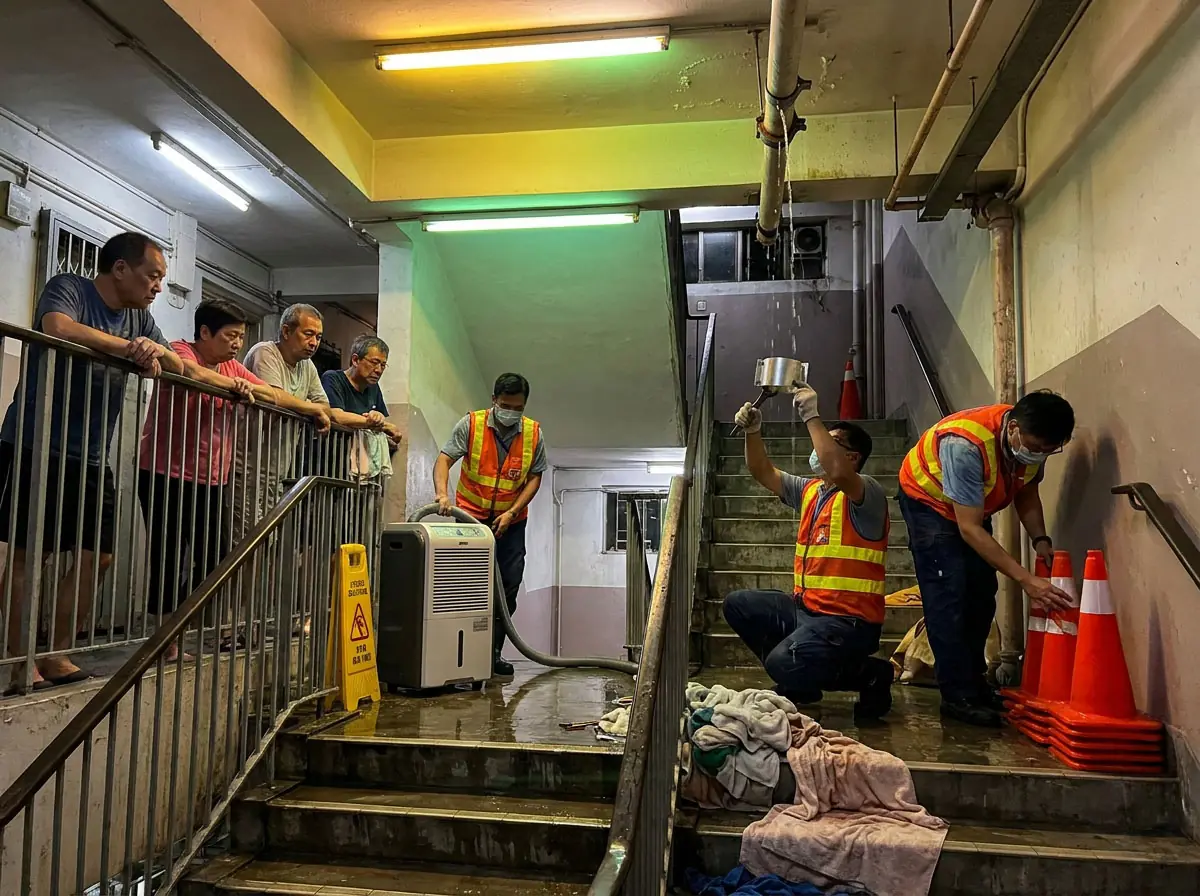


⚡ TL;DR: This informative guide details how structural drying services protect Anchorage properties from moisture damage by using scientific techniques to prevent secondary issues and ensure long term building health.
📋 What You’ll Learn
Navigating water damage in Anchorage requires a technical approach tailored to our unique climate. In this guide, you will learn the essential steps to protect your property and ensure structural integrity.
- Understand the science of drying by exploring how professionals manipulate psychrometric conditions to force moisture out of your walls and flooring while maintaining a stable indoor environment in Alaska.
- Identify hidden moisture risks early so you can prevent the development of secondary damage and toxic microbial growth that often goes unnoticed behind your home's finished interior surfaces.
- Master the multi-phase process of industrial-grade dehumidification to ensure that your restoration team is following industry standards while managing the specific humidity challenges found in our northern region.
- Evaluate local restoration success through a detailed case study based in Spenard, which demonstrates exactly how experts resolve complex foundation issues after major water intrusion events occur nearby.
📖 Reading time: 8 min
✍️ Author expertise: Anchorage based water damage technician with over fifteen years of field restoration experience.
A burst pipe in the middle of an Anchorage winter is not just a plumbing headache, it is a ticking time bomb for your home’s skeletal structure. Once water seeps into your floorboards and studs, it starts a silent war against the very integrity of your property.
Most homeowners assume that running a few fans or opening a window is enough to dry out the mess. They are dead wrong, and that simple mistake often leads to thousands of dollars in rot and mold repairs down the road.
True structural drying is a clinical, scientific process that goes far beyond surface moisture. Here is exactly what happens when you bring in the pros to save your home from permanent damage.

The Science of Psychrometrics: How Experts Control Your Home’s Climate
Most people think drying out a house is just about heat and air movement. The reality is much more precise. We use a discipline called psychrometrics, which is the study of how temperature, humidity, and airflow interact to move water from your walls into the air.
When moisture hits your building materials, it becomes trapped deep within the grain of the wood. If we simply blow air on the surface, we only dry the outside while leaving the core damp. Our goal is to force that deep moisture into the air so it can be extracted by industrial equipment.
To master this climate control, we rely on three key variables:
- Specific Humidity: Measuring the actual weight of water vapor in the air.
- Dew Point: The exact temperature where air becomes saturated and can no longer hold water.
- Vapor Pressure: Creating a high-pressure zone on the wet surface to push water molecules into the drier surrounding air.
By balancing these metrics, we transform your living room into a high-capacity evaporation chamber. We aren't just drying the air; we are manipulating the environment to pull water out of your studs and joists at the fastest possible rate without causing structural stress. This is how we stop the rot before it starts.
Why Anchorage Homes Require Specialized Moisture Mitigation Techniques
Alaska presents a unique set of variables that make standard drying methods practically useless. Anchorage homes are built to handle extreme cold, featuring vapor barriers and heavy insulation that keep heat in but also trap moisture once it gets inside.
When water leaks behind a wall, it hits that high-tech insulation and sits there. If you try to dry it out with a box fan from the hardware store, you are just pushing damp air around while the hidden cavities rot from the inside out.
You need to deal with the specific climatic pressure of the Last Frontier. Here is why local contractors must use specialized gear to win the fight against moisture:
- Extreme temperature differentials: Large gaps between indoor and outdoor temps cause constant condensation cycles.
- Tight building envelopes: Anchorage homes are sealed tightly to conserve heat, which stops moisture from escaping naturally.
- Permafrost and soil shifts: Anchorage soil conditions often mean moisture can migrate through foundations in ways common in other states.
We do not just dry the air; we extract water from materials that were never meant to get wet. Using low grain refrigerant dehumidifiers and specialized injection systems, we force air into wall cavities where the water hides. Failing to use this industrial approach means you are leaving a buffet for mold colonies that love our damp, dark crawl spaces.
The Multi-Phase Process of Industrial-Grade Dehumidification
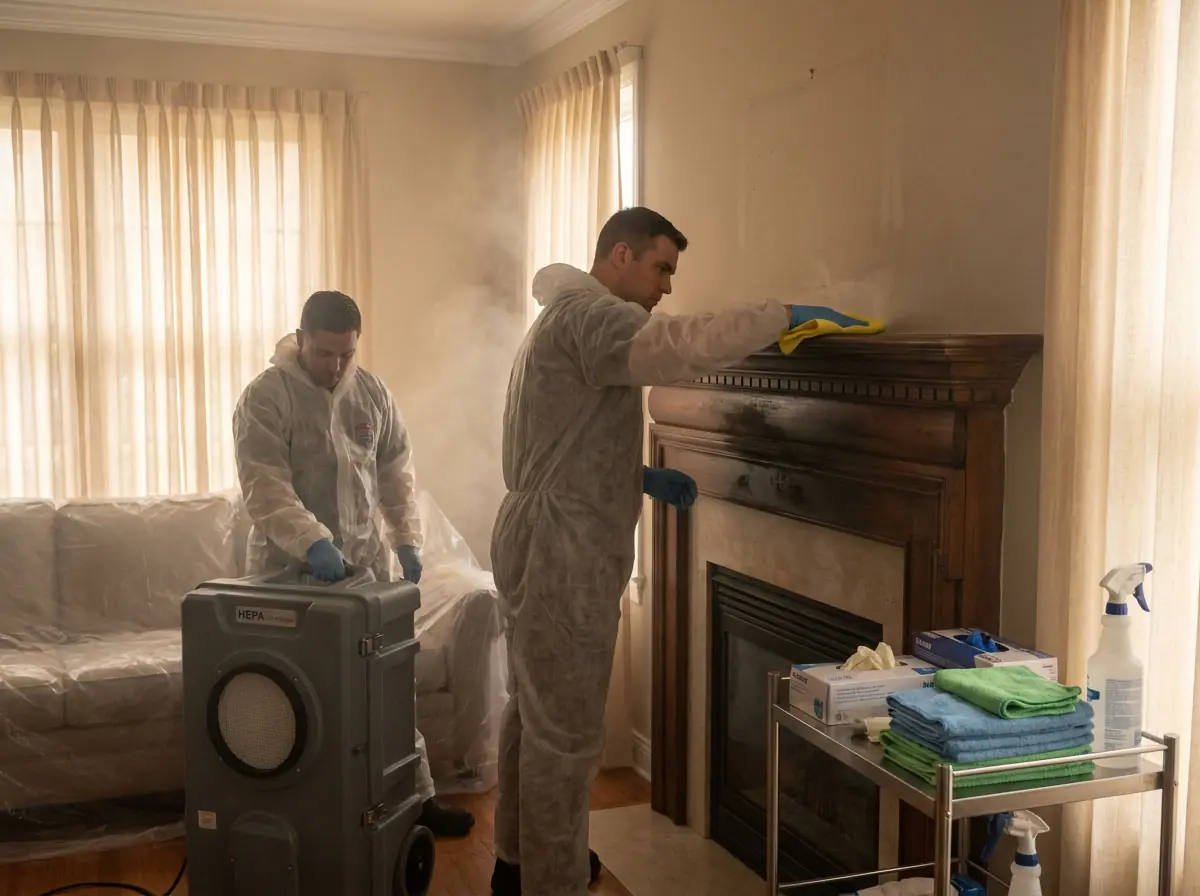
Professional structural drying is not about moving air; it is about targeted moisture extraction. When our team arrives, we do not just plug in a few store-bought units and walk away. We deploy industrial-grade refrigerant or desiccant dehumidifiers that are specifically rated for the cubic footage of your Anchorage property.
The process follows a strictly monitored schedule to prevent the building materials from warping or cracking. Here is how we break down the recovery:
- Phase 1: Water Extraction. We remove standing liquid using high-pressure pumps and weighted extractors. This stops the immediate saturation of floorboards.
- Phase 2: Evaporation. We install high-velocity air movers in precise patterns. This pushes moisture from deep inside wood studs and subfloors into the air.
- Phase 3: Dehumidification. Our machines pull that moisture-laden air through a cooling cycle. This forces water to condense and drain away before it can turn into vapor that feeds mold.
Monitoring is the secret weapon of a true expert. We use moisture meters to check the equilibrium between your home and the machines every single day. If the moisture content does not drop according to our scientific projections, we adjust the equipment settings immediately. This ensures we are not just drying the surface, but drawing water out of the structural bones of your house.
Critical Warning Signs: A Comparison Table of Hidden vs. Surface Water Damage
Most people think a dry floor means a dry home. That is a dangerous assumption that leaves your property wide open to catastrophic structural failure.
Surface water is the mess you see, but hidden moisture is the silent killer hiding behind your drywall and under your subfloors. You need to know the difference before your home becomes an expensive liability.
| Feature | Surface Water Damage | Hidden Water Damage |
|---|---|---|
| Detection | Visible puddles | Musty, sour odors |
| Texture | Slippery floors | Bouncy or soft floorboards |
| Visuals | Wet carpet | Peeling or bubbling paint |
| Speed | Instant | Slow, creeping rot |
| Severity | Low if addressed | High structural risk |
If you see signs of hidden moisture, your home is likely already fighting a losing battle. Look for these specific red flags throughout your house:
- Musty, damp smells that do not go away after cleaning.
- Walls that feel cold or damp to the touch during a dry day.
- Hardware or screws that show unexpected signs of rust.
- Crown molding or baseboards pulling away from the wall.
Do not wait for the floor to cave in before you call in the heavy artillery. By the time you see visible mold growth or warped wood, the moisture has already traveled deep into your skeletal framing.
Success in Spenard: A Case Study on Restoring a Water-Damaged Foundation
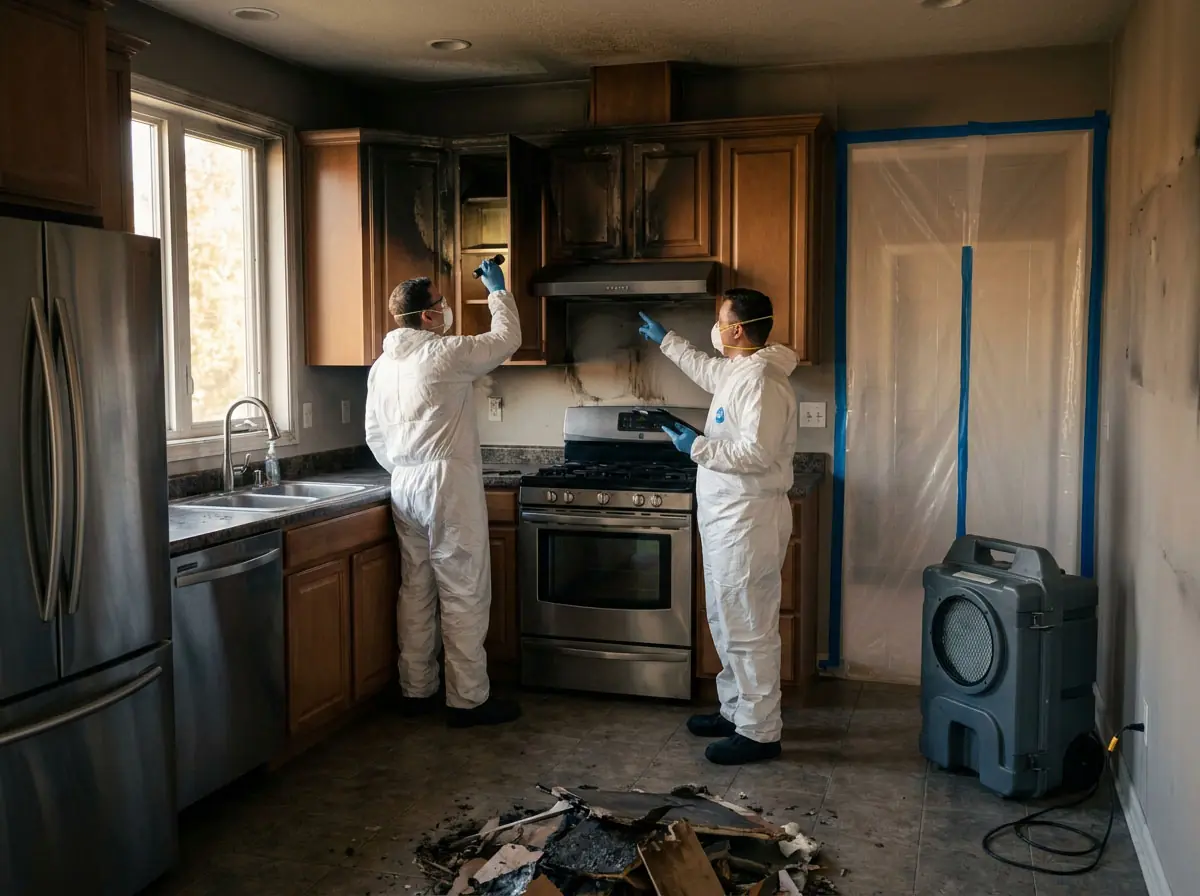
A recent emergency call from a Spenard property owner revealed the true power of professional intervention. A supply line failure had flooded the basement, allowing moisture to wick deep into the foundation concrete and wood sill plates.
The homeowner had initially spent two days using a shop vac and a box fan. When we arrived, our moisture meters showed the concrete was still at 95% saturation, creating a perfect environment for structural rot.
We immediately deployed low-grain refrigerant dehumidifiers and targeted air movers to force evaporation from the porous concrete. By monitoring the grains per pound of air, we systematically pulled the moisture out of the foundation before it could migrate into the home's sub-flooring.
This systematic approach saved the owner from a complete foundation tear-out. Here is how our localized strategy compared to the ineffective DIY attempts seen in the neighborhood:
- Professional moisture mapping identified hidden pockets trapped behind finished walls.
- Industrial dehumidification maintained a consistent 20% relative humidity, forcing the concrete to release its water.
- Antimicrobial application ensured that even though the area was damp, mold spores could not gain a foothold.
The result was a fully dried structure in just four days. Without this specialized, data-driven drying, that homeowner would have likely spent months dealing with the consequences of trapped moisture and the inevitable growth of hazardous fungi.
Protecting Your Investment from Secondary Damage and Microbial Growth
Time is your worst enemy after a leak. If you let moisture sit for more than 48 hours, you are essentially inviting microbial growth to set up shop behind your walls.
This is called secondary damage. It happens when the initial water event causes humidity levels to spike, turning your home into a damp, warm petri dish for spores.
You cannot see this process happening, but it is destructive. Once mold takes hold of your insulation or wood framing, the costs to fix it skyrocket because you have to remove the contaminated materials entirely.
The Real Risks of Delayed Mitigation
- Structural rot: Wet wood loses its strength and can eventually collapse.
- Health hazards: Airborne spores cause respiratory issues for your family.
- Pest attraction: Carpenter ants and other insects thrive in soggy, decaying lumber.
- Ruined finishes: Hardwood floors buckle and drywall begins to crumble from trapped water.
Professional drying stops these issues before they become permanent. We do not just dry the air; we use industrial equipment to pull moisture out of the materials themselves.
By forcing the humidity out of your home, we leave nothing for mold to feed on. This protects your property value and, more importantly, keeps your indoor air quality safe.
Final Words
Water damage in our chilly climate is rarely just about what you can see on the surface. When your home takes on water, you are playing a high stakes game against time, temperature, and hidden rot.
Waiting for the damage to air dry is a recipe for disaster. You need a verified, professional approach to Structural Drying Services to ensure your property remains solid and safe.
Why Speed Matters Most
Moisture acts like a slow burning fire inside your wall cavities. If you allow dampness to persist, you are inviting aggressive problems that compromise your home:
- Toxic mold colonies that bloom within 48 hours.
- Structural warping that forces expensive floor replacements.
- Weakened joists that can lead to hazardous sagging.
- Deteriorated insulation that loses all thermal value.
Do not gamble with your family assets. If you suspect water has migrated into your framing or subflooring, reach out to our team immediately. We use calibrated moisture sensors to track the invisible threat and stop it dead in its tracks.
People Also Ask
How long does the structural drying process usually take in Anchorage?
Most structural drying projects take between three to five days depending on the moisture level and the materials affected. Our team uses professional sensors to monitor the drying progress until the home reaches its target dry standard.Why is specialized dehumidification necessary for homes in Alaska?
Alaska homes often face unique challenges due to our specific humidity levels and tightly sealed building envelopes designed to retain heat. Without professional grade dehumidifiers, trapped moisture can easily penetrate hidden building cavities and lead to significant decay.What are the primary health risks of ignoring water damage in a home?
Unaddressed water damage creates a breeding ground for harmful mold and bacteria that can degrade your indoor air quality. The EPA provides comprehensive guidance on managing indoor air pollutants and the health concerns associated with unchecked moisture.Can I just use household fans to dry out water damage?
Standard household fans are insufficient because they move air without managing the moisture levels, which often spreads contaminants. Professional restoration requires industrial dehumidifiers that remove moisture from the air while creating a controlled environment for drying.Need Water Damage Restoration Services?
We provide rapid water damage restoration for residential and commercial properties throughout Anchorage and the surrounding Mat-Su regions. Our team deploys immediately to extract water and initiate professional drying to prevent further structural damage. (99501, 99503, 99504, 99507, 99517)
Request Custom Estimate