
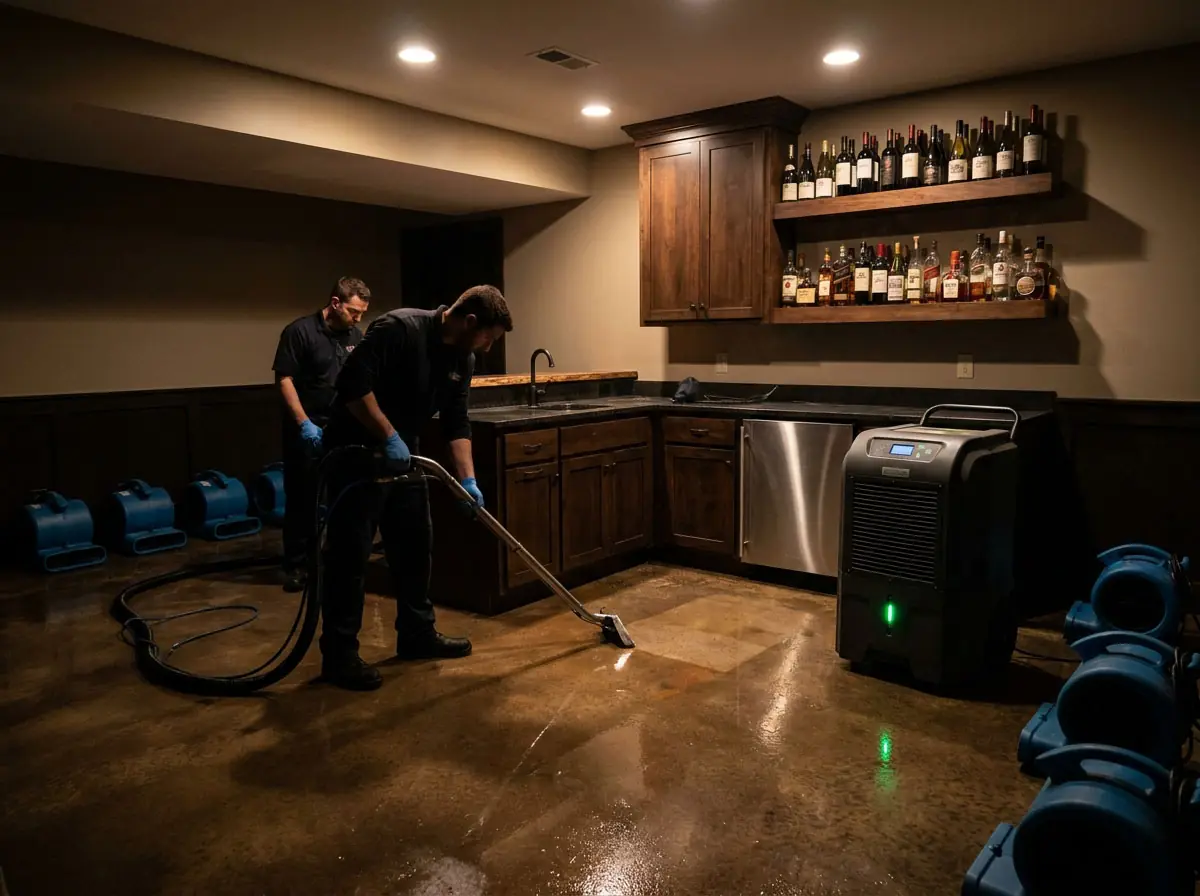


⚡ TL;DR: This guide helps Anchorage homeowners understand the causes of crawl space water removal, offering clear insights into restoration costs and essential steps to protect their property from moisture.
📋 What You’ll Learn
Managing standing water in your crawl space is critical for maintaining your home's structural integrity in the Anchorage climate. This guide explains how to effectively remove moisture and prevent long-term damage.
- Understand the unique Alaskan climate and how our specific seasonal thaw cycles and local soil conditions contribute to persistent crawl space flooding issues throughout your neighborhood properties.
- Identify hidden moisture sources by learning how to trace standing water back to foundation cracks, poor exterior drainage, or faulty pipe insulation common in older Anchorage homes.
- Compare professional versus DIY costs to see why hiring experts for water extraction often saves you money compared to the high risk of mold and structural decay.
- Implement long-term preventative measures such as installing vapor barriers and specialized drainage systems to keep your crawl space dry and your foundation stable for many years ahead.
📖 Reading time: 7 min
✍️ Author expertise: Anchorage water damage expert with ten years of field experience restoring local crawl spaces.
You crawl under your Anchorage home to grab a box, only to find the air thick with the smell of rot and your shoes sinking into damp, unforgiving mud. That dark, hidden space is the foundation of your entire investment, yet when moisture takes hold, it silently gnaws away at your property value and your family’s health.
Most homeowners assume a little water under the floorboards is just part of living in the North, but ignoring it is a fast track to costly structural damage and toxic mold growth. You are sitting on a ticking time bomb that gets more expensive to fix every single day the moisture lingers.
Before you throw your wallet at the first plumber who answers the phone, you need to understand exactly what you are up against and how to stop the damage from spreading. Let’s pull back the curtain on what it actually takes to dry out your crawl space and keep the water out for good.
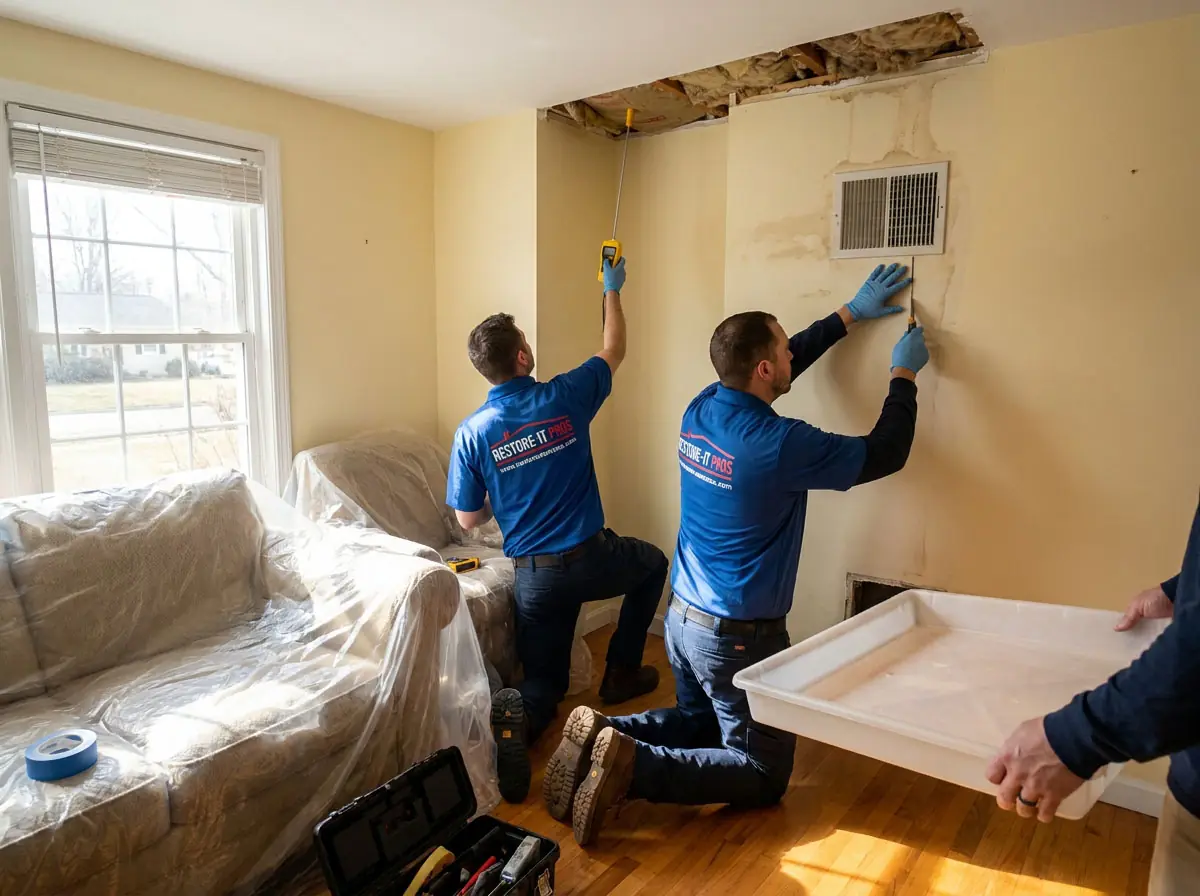
The Anchorage Climate Factor: Why Crawl Spaces Here Face Unique Moisture Challenges
Living in Anchorage means dealing with a brutal, seasonal cycle that puts your home under immense pressure. When the heavy winter snowpack finally melts, it sends gallons of runoff rushing toward the lowest point of your property: your crawl space.
The ground here often stays frozen well into the spring. This creates a frost barrier that prevents water from soaking into the soil, forcing it to pool directly against your foundation walls or seep right under your floor joists.
You are fighting a battle against several distinct Alaskan moisture triggers:
- Rapid Spring Thaw: Melting ice creates a sudden influx of groundwater that has nowhere to go.
- High Humidity Cycles: Warm summer air hitting cool foundation surfaces leads to heavy condensation.
- Poor Drainage Grades: Many local lots lack the necessary slope to push water away from the structure.
This trapped moisture creates an ideal nursery for destructive fungi and rot. Because Anchorage homes often rely on raised floors for insulation, your crawl space acts like a lung for your living room. If that air is damp and stagnant, you are essentially breathing the byproduct of the decay happening just beneath your feet.
Identifying the Source: Common Culprits Behind Standing Water Under Your Home
You cannot fix a problem you do not understand. In Anchorage, water does not just appear by magic; it follows a path of least resistance caused by our specific environment or simple mechanical failure.
Before you start pumping water, you need to stop the supply. Here are the most frequent reasons your crawl space is turning into a swamp:
- Frozen or burst pipes: The classic Alaskan nightmare. When a pipe cracks due to a deep freeze, it can leak for days before you notice a drop in water pressure.
- Groundwater seepage: During the spring thaw, the melting snowpack has nowhere to go. If your home lacks proper grading, that water heads straight for your crawl space.
- Faulty vapor barriers: A torn or missing plastic liner acts like a sponge. It traps moisture against your floor joists instead of keeping the earth dry.
- Poor exterior drainage: Clogged gutters and downspouts that dump water right next to your foundation are the primary cause of avoidable flooding.
Once you locate the leak, examine the immediate surroundings for signs of rot or insect activity. Moisture is a beacon for carpenter ants and termites, which thrive in the damp, dark conditions Anchorage crawl spaces offer.
Keep a close eye on your sump pump as well. If the power cuts out during a storm, or if the float switch gets stuck in the off position, even a minor leak will quickly escalate into a standing pool of water that threatens your structural integrity.

Cost Breakdown: A Detailed Table Comparing Professional Mitigation vs. DIY Risks
When you spot standing water beneath your Anchorage property, your first instinct might be to grab a shop vac and a pair of boots. However, the price of professional intervention is often much lower than the hidden costs of a failed DIY attempt. You aren't just paying for labor; you are paying for the specialized equipment needed to prevent rot, structural sagging, and mold colonization that follows a botched cleanup job.
| Factor | DIY Risks | Professional Mitigation |
|---|---|---|
| Initial Investment | Low (Rental equipment/PPE) | Moderate (Service fee) |
| Detection Accuracy | Guesswork; missed moisture | Thermal imaging/moisture meters |
| Structural Integrity | High risk of wood rot | Guaranteed proper drying |
| Health Hazards | Direct mold/sewage exposure | Full containment/certified removal |
| Long Term Cost | Expensive repairs later | Prevention saves money |
Trying to tackle this alone often leads to incomplete drying. If you leave even a small pocket of moisture in your crawl space, you are essentially inviting mold to feed on your floor joists and insulation. Professional crews use industrial-grade dehumidifiers and air scrubbers that pull moisture deep from within the foundation materials, which simple household fans just cannot do.
Why The DIY Route Usually Fails
Most homeowners don't account for the hidden multipliers in their budget. You might save money on the initial extraction, but these mistakes quickly drive up the total bill:
- Failing to identify the root cause of the leak leads to recurring water buildup.
- Improper handling of contaminated soil or sewage water puts your family at risk of infection.
- Renting professional-grade drying equipment often costs more than hiring a team once you factor in time and fuel.
- Ignoring saturated insulation forces a total crawl space gut job rather than a localized fix.
If the water is contaminated by sewage or ground runoff, the cleanup requirements become strictly regulated. Professionals ensure the area is properly disinfected to safeguard your health. Don't gamble with your home's structural bones just to save a few bucks in the short term.
Step-by-Step Crawl Space Restoration: From Extraction to Structural Drying
Professional restoration is not just about sucking up the visible puddles with a shop vac. We approach this by treating the entire micro-environment of your crawl space, ensuring that hidden moisture is tracked down and eliminated before it can bloom into a colony of toxic mold.
The process follows a strict sequence to ensure your home remains safe and sound:
- Water Extraction: We use high-grade industrial pumps to remove standing water quickly. Leaving even a small amount behind allows bacteria to multiply in the warmth of your subfloor.
- Debris and Mud Removal: Saturated insulation and damaged vapor barriers must be discarded. These materials are like sponges that trap moisture and odors for months.
- Structural Drying: We deploy industrial-grade dehumidifiers and air movers. This forces moisture out of the floor joists, rim joists, and concrete piers.
- Sanitization: We apply antimicrobial treatments to kill any mold spores and neutralize the musty stench that often travels up through your floorboards.
The final phase involves monitoring the moisture content in your wood framing until it reaches a safe, dry level. If you cut corners here, the moisture will simply move from the dirt into your floor joists, causing wood rot that can cost thousands more to repair down the road. We do not just dry the surface; we dry the structure itself to ensure long-term stability for your Alaskan home.
Real-World Restoration: A Case Study of Moisture Remediation in a South Anchorage Home
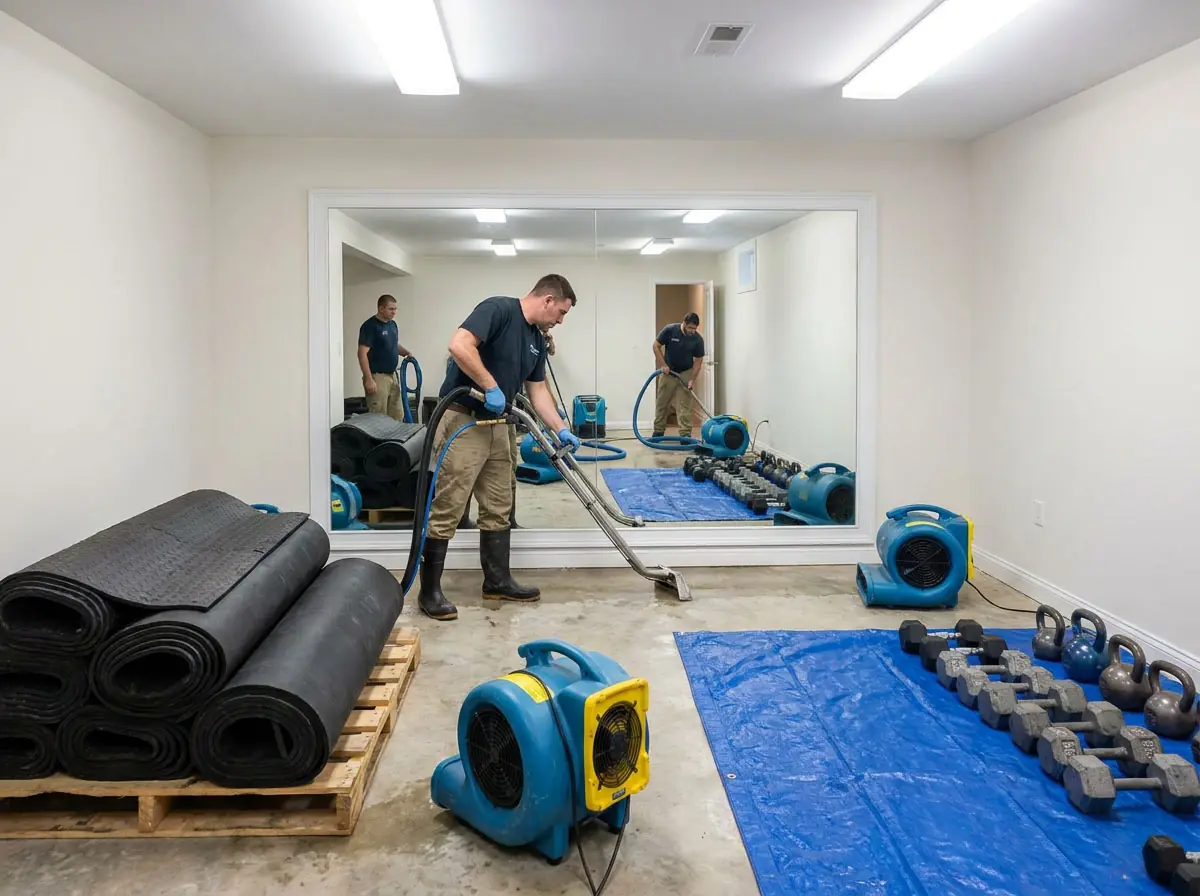
Last winter, we were called to a South Anchorage residence where the owners discovered standing water beneath their living room. The heavy snowmelt combined with a failing sump pump had turned the crawl space into a literal swamp, causing the insulation to sag and drop onto the muddy ground.
The damage was severe, but we acted fast to stop the decay. Here is how we handled the situation to save the structure:
- We deployed high-capacity submersible pumps to remove three inches of standing water.
- Our team removed all water-logged, contaminated fiberglass insulation to prevent mold spores from spreading upward.
- We installed commercial-grade dehumidifiers and air movers to reach a target humidity level below 50 percent.
- We applied a specialized antimicrobial treatment to the floor joists and subflooring to kill lingering fungi.
By the time we finished, the crawl space was completely dry and sanitized. The homeowners saved thousands of dollars by calling us early instead of waiting until the subfloors began to rot or the floorboards buckled.
Ignoring moisture in Alaska is a losing game. The freeze-thaw cycles in Anchorage are relentless, and they will always exploit the smallest opening in your home's perimeter. Taking decisive action within 48 hours is the only way to avoid a full-scale structural overhaul.
Long-Term Prevention: Strategies to Seal Your Foundation Against Future Flooding
Once your crawl space is bone-dry, you cannot simply walk away and hope for the best. Anchorage winters are brutal, and that freeze-thaw cycle will constantly test your home's integrity. To stop the water from returning, you must treat your crawl space as a controlled environment rather than a junk storage area.
Start by addressing the exterior grading. If the ground around your home slopes toward the foundation, every rainstorm acts like a funnel directing water right under your house. You need to push that water away using gravity and proper drainage.
Key Defensive Measures for Your Foundation
- Extend downspouts at least six feet away from your foundation walls to ensure roof runoff doesn't pool near the footings.
- Install a high-quality vapor barrier that is at least 12 to 20 mils thick to prevent ground moisture from rising into the subfloor.
- Check your sump pump every season; if it fails during a sudden thaw, your crawl space will become a swimming pool overnight.
- Seal cracks in the foundation wall with professional grade sealants. Even tiny gaps allow moisture to seep through during high water tables.
Do not underestimate the power of an industrial grade dehumidifier. Even if the space is sealed, humidity levels in Alaska can fluctuate enough to trigger mold growth on floor joists. A smart system will keep the relative humidity below 50 percent, which makes the air too dry for mold to take root.
Finally, inspect your crawl space vents. Many older homes in Anchorage rely on "natural" ventilation, but in our climate, this often pulls humid air into a cool crawl space, causing massive condensation. Depending on your home's specific design, closing and sealing these vents might actually be the best way to keep your home healthy.
Final Words
Your home is likely the biggest financial commitment you will ever make. Letting a damp, dark crawl space destroy your investment from the ground up is a gamble you simply cannot afford to take.
Whether you choose to tackle minor issues yourself or call in the professionals for full-scale Crawl Space Water Removal, the clock is ticking. Every hour that water sits under your floorboards is an hour that mold colonies are spreading and your joists are softening.
If you have identified standing water, do not wait for the next thaw or rainstorm to make it worse. Take these immediate steps to regain control:
- Inspect your foundation vents for blockages that trap moisture inside.
- Ensure your gutters are diverting water at least six feet away from the home exterior.
- Check your plumbing lines for slow leaks that might be feeding the dampness.
Ignoring a wet crawl space is the most expensive mistake an Anchorage homeowner can make. Be proactive, stay vigilant, and protect the structural integrity of your house before the damage reaches your living space.
People Also Ask
How much does crawl space water removal cost in Anchorage?
Costs vary significantly based on the volume of water, the level of contamination, and required repairs. Professional restoration typically ranges from $1,500 to $5,000, while neglecting the issue can lead to structural damage exceeding $10,000.Why is standing water under my house a health risk?
Standing water creates an ideal environment for mold growth and attracts pests, which can significantly reduce your indoor air quality. These contaminants circulate upward into your living space, potentially triggering allergies or respiratory issues for your family.Can I remove water from my crawl space by myself?
While you might be tempted to use a shop vacuum for minor puddles, DIY removal is often ineffective for large scale moisture intrusion. Professionals use industrial grade dehumidifiers and specialized extraction equipment to prevent long term rot and subfloor damage that hobby tools cannot reach.How do I prevent crawl space flooding during the Anchorage spring thaw?
Managing snowmelt is critical for local homeowners, so ensure your gutters direct water at least six feet away from your foundation. Installing a high quality sump pump and checking that your crawl space vapor barrier is intact will also provide essential protection against seasonal saturation.What are the signs of moisture damage in a crawl space?
Look for sagging insulation, an unpleasant musty odor inside your home, or visible mold growth on floor joists. If you notice these symptoms, it is important to schedule a professional inspection immediately to prevent the damage from compromising the stability of your home.Need Water Damage Restoration Services?
We provide rapid water damage restoration for residential and commercial properties throughout Anchorage and the surrounding Mat-Su regions. Our team deploys immediately to extract water and initiate professional drying to prevent further structural damage. (99501, 99503, 99504, 99507, 99517)
Request Custom Estimate