


⚡ TL;DR: This guide provides essential steps for handling a sewage backup in Allentown, helping you prioritize household safety, understand restoration timelines, and navigate professional cleanup options after damage occurs.
📋 What You’ll Learn
Dealing with a sewage backup in Allentown is a stressful experience, but this guide provides the professional knowledge you need to protect your property and health through effective, rapid restoration strategies.
- Identify immediate safety hazards to ensure your family avoids exposure to hazardous pathogens and bacteria that thrive in Category 3 water damage during unexpected basement flooding incidents.
- Determine the root cause of your backup by distinguishing between municipal sewer line failures and private plumbing obstructions that are common in older Allentown residential neighborhood foundations.
- Evaluate DIY versus professional risks to understand why expert remediation is essential for preventing long term structural decay, mold colonization, and lingering biological threats inside your home.
- Navigate insurance claim requirements by learning how to document damage correctly, communicate with adjusters, and secure the necessary records to maximize your coverage for restoration expenses.
📖 Reading time: 8 min
✍️ Author expertise: Allentown water damage restoration expert with fifteen years of local field remediation experience.
You wake up to a sound that chills your blood: the unmistakable gurgle of a drain backing up in your Allentown basement. The smell hits you next, and suddenly, your peaceful morning has morphed into a toxic health crisis that demands immediate action.
Most homeowners assume a little bleach and a mop will handle the mess, but raw sewage is a biohazard that doesn't play by the rules. Treating this as a simple plumbing fix is a dangerous mistake that can rot your subflooring and compromise your family's health for months.
Before you grab a pair of rubber gloves and risk exposure to dangerous pathogens, you need to know exactly how to secure your property and protect your investment. Here is how you handle a sewage disaster the right way to ensure your home remains safe and habitable.
Read on to discover the critical steps you must take right now to stop the damage from spreading through your home.
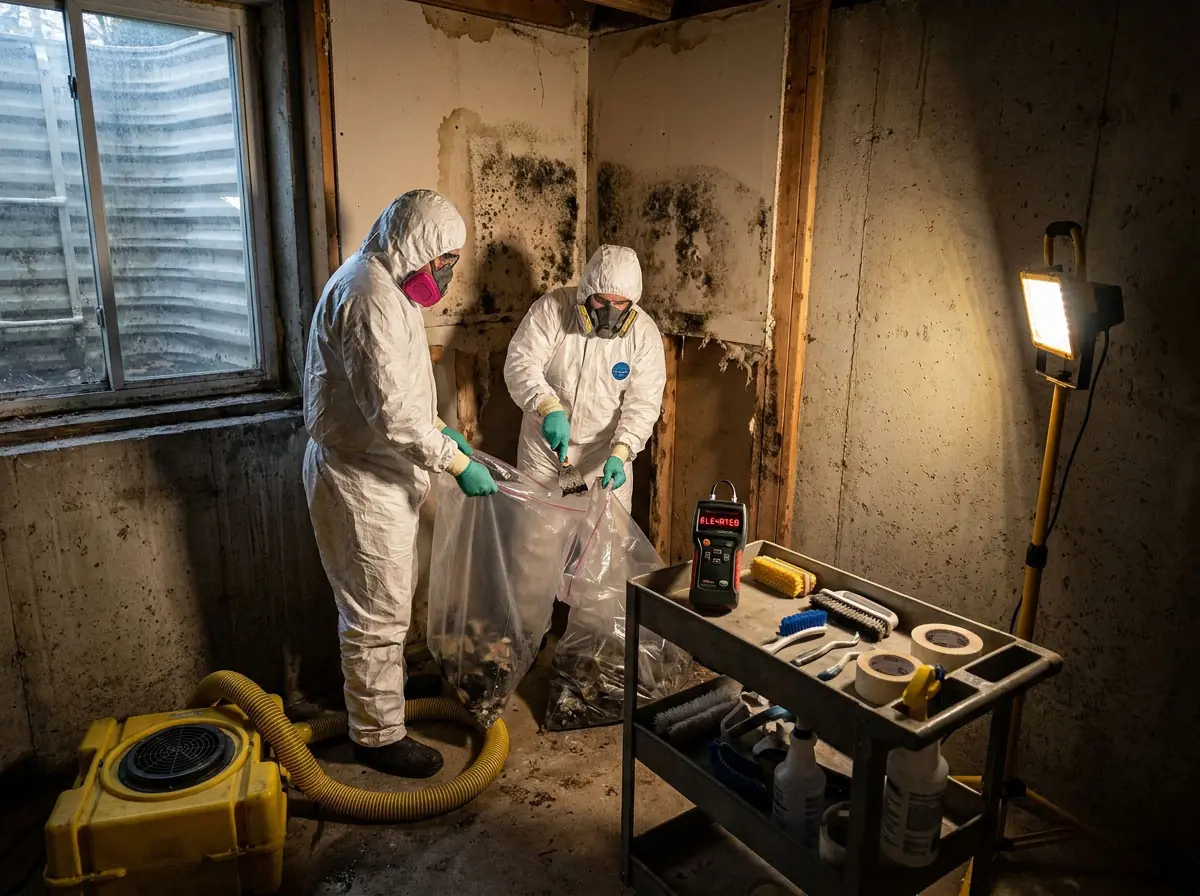
Immediate Safety Protocols: Protecting Your Household from Sewage Exposure
Your first priority is not the cleanup; it is isolation. Raw sewage contains bacteria, parasites, and viruses that can cause serious illness within minutes of contact.
Do not attempt to walk through the standing water. Even if you think you are careful, pathogens can easily enter through small cuts in your skin or be tracked into clean areas of your home, spreading the contamination further.
Steps to secure your living space:
- Immediately shut off the main water supply to prevent more liquid from entering the system.
- Keep children and pets completely away from the basement area by locking doors or using barriers.
- Turn off the electricity in any rooms where the floor is wet, as water and power are a deadly combination.
- Open windows in unaffected rooms to create a cross breeze, but keep the door to the affected area closed to trap the odor and airborne bacteria.
If you have already come into contact with the water, wash your hands and any exposed skin with hot, soapy water right away. Throw away any clothes that were soaked in the sewage, as standard laundry detergents are often not enough to kill these aggressive bacteria.
Do not turn on your HVAC system if the ductwork runs through the basement. This will act as a distribution network, blowing toxic particles into your bedrooms and kitchen upstairs.
Identifying the Root Cause of Your Allentown Basement Backup
Before you start scrubbing, you have to find out why the sewage is there in the first place. Not every backup is a simple clogged drain. In older Allentown neighborhoods, like those near the Lehigh River or the historic districts, aging infrastructure is often the culprit.
The city's sewer system can get overwhelmed during heavy rainfall, forcing wastewater back into your pipes. If you ignore the source, you are just mopping up a mess that will return the next time it rains.
Common Culprits for Allentown Sewage Backups
Check these specific trouble spots to determine if the issue is inside your home or coming from the city main:
- Tree Root Intrusion: Roots from mature trees seek out moisture in your sewer lines, crushing pipes and creating massive blockages.
- Main Line Clogs: If you notice toilets and sinks backing up simultaneously, the blockage is likely in your main sewer lateral.
- Municipal System Overload: Intense Lehigh Valley storms can cause city main lines to reach capacity, pushing raw sewage toward your home.
- Broken or Collapsed Pipes: Old clay pipes common in our local housing stock often crack or shift under the weight of the soil.
If you see raw sewage coming out of your floor drain while the toilet is flushing, stop using your water immediately. You need to verify if the obstruction is on your private property or the public line. If it is on the city side, you might not be responsible for the cleanup costs or the plumbing repairs.
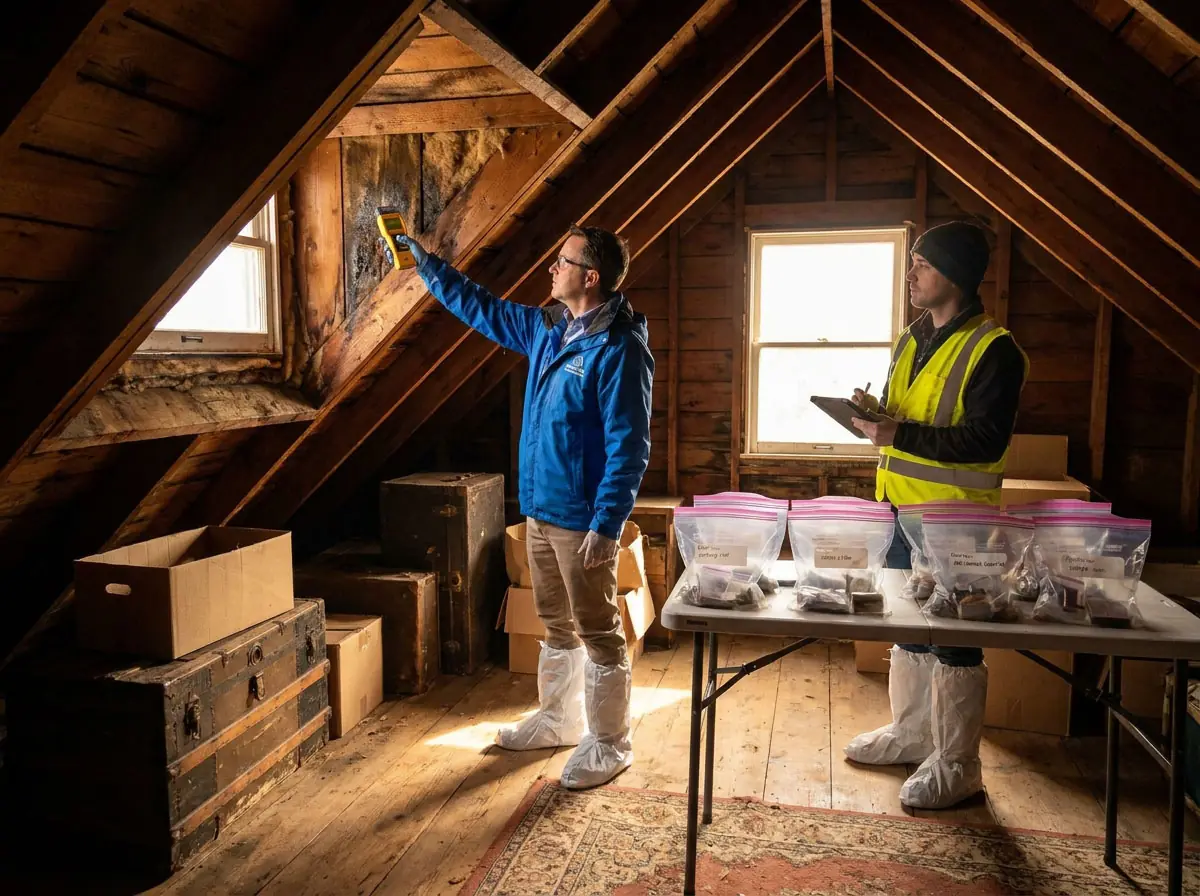
Critical Timeline: Why Rapid Mitigation Prevents Structural Decay
When raw sewage infiltrates your Allentown property, you are not just dealing with a bad smell. You are entering a race against time where every passing hour allows bacteria, viruses, and parasites to burrow deep into porous materials.
Most Allentown homeowners do not realize that Category 3 water damage behaves like a silent invader. By the time you notice visible mold growth, the underlying wood studs and floor joists may already be suffering from advanced rot.
The Breakdown of Damage Over Time
- 0-24 Hours: Moisture seeps into carpets, pad, and drywall; rapid bacterial colonies begin to multiply.
- 24-48 Hours: Mold spores activate, releasing toxins into the air that can cause respiratory distress for your family.
- 48-72 Hours: Structural components like plywood subflooring begin to warp and weaken as the fibers absorb toxic fluids.
- 72+ Hours: The damage becomes permanent, often requiring professional demolition and complete reconstruction of the affected areas.
Waiting even one day gives these contaminants the chance to travel through your HVAC system or seep behind wall cavities where they are impossible to reach with store-bought cleaners. Immediate professional extraction is the only way to stop the contamination from becoming a total loss.
Think of it this way: the faster you act, the more you save. Once the sewage sets into your home's foundation or framing, you are no longer looking at a simple cleanup project, but a full-scale restoration nightmare that costs five times more to fix.
Sewage Cleanup Strategy: A Comparative Table of DIY Risks vs. Professional Remediation
Most Allentown homeowners see a bucket and some disinfectant and think they can save a few bucks. That is a dangerous gamble. Raw sewage is classified as Category 3 water, meaning it contains bacteria, parasites, and fungi that thrive in the porous materials found in your basement walls and flooring.
| Feature | DIY Approach | Professional Restoration |
|---|---|---|
| Pathogen Removal | Surface level only | Hospital-grade sanitization |
| Structural Drying | Standard household fans | Industrial dehumidification |
| Safety Gear | Basic rubber gloves | Full-body hazmat PPE |
| Waste Disposal | Regular trash bins | Biohazard-certified protocols |
| Long-term Mold | High risk of growth | Guaranteed prevention |
When you attempt a DIY cleanup, you often push contaminated water deeper into your subfloor. This creates a hidden breeding ground for mold that you will not smell or see until it is too late. Professionals use specialized moisture meters and thermal imaging cameras to find trapped water inside wall cavities that your eyes simply cannot detect.
Why Expertise Matters for Your Health
You are not just cleaning a spill; you are performing an environmental abatement. Professional crews in Allentown are trained to contain the affected area using negative air pressure systems to prevent cross-contamination throughout your living space. If you miss a single spot during your cleanup, you risk:
- Lingering, toxic odors that trigger respiratory issues.
- Structural rot that compromises your floor joists.
- The release of harmful airborne mold spores.
- Legal liabilities if you sell the home later without proper clearance.
The time and money you save doing it yourself vanish the moment you have to rip out entire walls later because of missed contamination. Leave the heavy lifting to the pros who have the equipment to dry, sanitize, and restore your home to a healthy environment.

Behind the Scenes: A Recent Allentown Basement Restoration Case Study
Last month, we received a frantic call from a homeowner in the West End of Allentown. A main sewer line blockage had turned their finished basement into a Category 3 nightmare, soaking the drywall and expensive hardwood flooring in literal hours.
When our team arrived, the air quality was already compromised. The homeowner had tried to shop-vac the liquid, but they only succeeded in aerosolizing bacteria throughout the HVAC system.
Here is what we discovered during our initial assessment of the property:
- Standing water had wicked into the framing, causing hidden rot behind the baseboards.
- The moisture levels in the drywall registered at 95 percent, far beyond the point of salvage.
- Toxic sludge had seeped under the vanity cabinet, creating a breeding ground for mold.
We immediately established a containment zone using heavy-duty plastic sheeting to keep the pathogens from migrating upstairs. Our crew performed a surgical extraction of all porous materials, including the saturated carpet and warped floorboards that were beyond professional cleaning.
By utilizing industrial-grade air scrubbers and botanical disinfectants, we returned the basement to a sterile state in just three days. The homeowner was relieved, as we managed to save the structure and avoid the high costs of a total gut-and-rebuild by acting before the structural decay took root.
Navigating Insurance Claims and Documentation for Category 3 Water Damage
Dealing with Category 3 sewage water is not just a plumbing headache; it is a major property loss event. Most Allentown homeowners are surprised to learn that standard policies have specific language regarding sewage backup coverage, which is often an add-on or rider. You must act fast to verify your specific policy limits before the insurance company finds a reason to deny your payout.
Start your documentation the moment you discover the loss. Insurance adjusters are trained to minimize payouts based on lack of evidence. Your job is to make their decision easy by providing an indisputable paper trail of the disaster.
Follow this checklist to secure your claim:
- Take high resolution photos and videos of the standing sewage from every angle before any cleanup begins.
- Record the specific source of the backup, such as a main line blockage or a city sewer failure.
- Keep a detailed log of every conversation with your insurance agent, including names, dates, and claim numbers.
- Save copies of all invoices and estimates provided by certified remediation experts.
- Do not discard damaged porous materials like carpeting or drywall until an adjuster has physically inspected the site.
Remember, the burden of proof rests on your shoulders. A professional remediation company can assist you by providing a detailed moisture map and an industry-standard scope of work that adjusters respect. When you provide professional, third-party verification, you significantly increase the chances of a smooth claim process rather than a denied request.
Final Words
When raw sewage invades your Allentown home, your reaction speed dictates the outcome. Do not wait for the sun to rise or for a neighbor to offer advice; every hour of standing water increases the risk of mold growth and permanent structural rot.
Most basement disasters originate from blocked main sewer lines or regional system failures. If you find yourself in the middle of a mess, remember that proper Sewage Backup Cleanup is the only way to restore a healthy living environment.
Keep these priorities in mind if you are currently staring at a basement flood:
- Cut the main power to the affected area immediately to avoid electrocution.
- Avoid all contact with the water, as it likely contains dangerous pathogens like E. coli or salmonella.
- Document every square inch of damage with photos before moving a single item.
Protecting your property value and your family starts with decisive action. You have built a life in this home; do not let a plumbing catastrophe define its future. Hire pros who understand the specific municipal codes in Lehigh County and have the heavy-duty extraction tools to get the job done correctly.
People Also Ask
Is sewage backup covered by homeowners insurance in Allentown?
Most standard homeowners insurance policies do not cover sewage backups unless you have added specific water backup coverage as an endorsement. It is vital to check your policy documents immediately to see if you have this protection for your property.What are the health risks of sewage exposure in my home?
Sewage contains harmful bacteria, viruses, and parasites that can cause severe gastrointestinal and respiratory illnesses. According to the Centers Disease control, direct contact with contaminated water can lead to serious infections if not handled with proper protective equipment.Why is my basement flooding with sewage after it rains?
In many Allentown neighborhoods, older sewer systems can become overwhelmed during heavy rainfall, leading to a surcharge in the main lines. If your basement is flooding, the excess water is forcing sewage backward through your home pipes because the system cannot drain fast enough.Can I clean up a sewage backup by myself?
Professional cleanup is strongly recommended because Category 3 water is highly contaminated and requires specialized industrial disinfectants. DIY attempts often fail to remove hidden bacteria behind drywall or under flooring, which leads to long term mold growth and air quality issues.How quickly should I call for professional sewage remediation?
You should contact a restoration professional immediately upon discovering the issue to prevent the contamination from soaking into your home structure. The faster a crew arrives, the higher the likelihood that your flooring and walls can be salvaged before permanent decay sets in.Need Water Damage Restoration Services?
We provide rapid water damage restoration for homes and businesses in Allentown and surrounding communities. Our team arrives quickly to extract water and restore your property to its original condition (18101, 18102, 18103, 18104, 18109).
Request Custom Estimate