
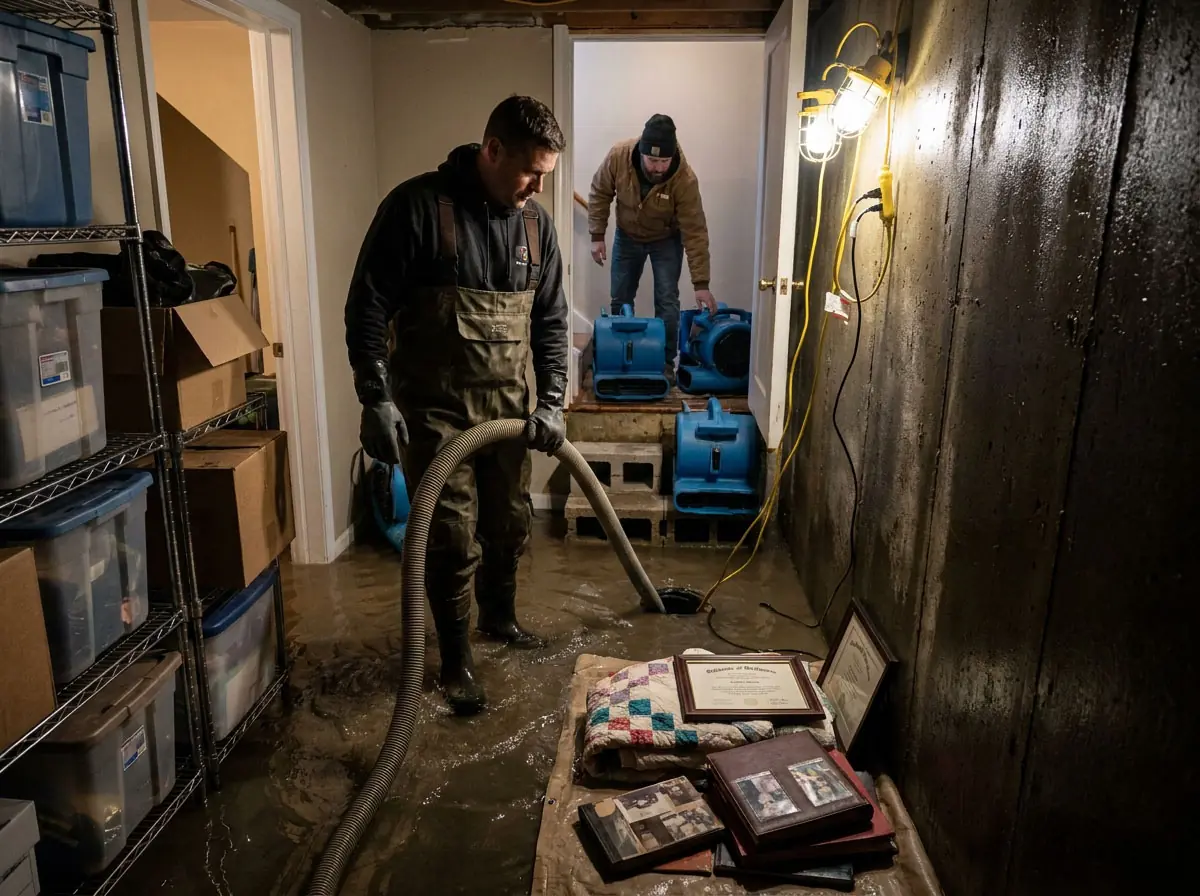


⚡ TL;DR: This comprehensive guide provides Allentown residents with essential steps for effective fire damage restoration, covering everything from immediate property security and insurance navigation to selecting qualified local contractors.
📋 What You’ll Learn
Recovering from a residential fire is a daunting task, but this comprehensive guide provides Allentown homeowners with the essential steps and local expertise needed to navigate your restoration process effectively today.
- Secure your damaged property immediately by following our expert steps to prevent secondary weather damage and unauthorized access while your home remains vulnerable after the initial fire event.
- Understand the chemistry of soot so you can grasp why professional cleaning is absolutely critical to prevent permanent acidic corrosion on your walls, electronics, and valuable personal belongings.
- Follow our restoration checklist which outlines the precise timeline and recovery stages required to restore your Lehigh Valley property back to pre-loss condition after the emergency services depart.
- Navigate complex insurance claims by learning how to document your losses correctly to ensure you receive a fair settlement without devaluing the total worth of your damaged home.
📖 Reading time: 8 min
✍️ Author expertise: Allentown restoration specialist with fifteen years of field experience in fire and water recovery.
You wake up to the smell of acrid smoke, not your morning coffee, and suddenly the home you built in Allentown feels like a stranger. The fire trucks have left, but the real fight for your property is just beginning.
Most homeowners lose thousands of dollars in hidden costs because they wait for the insurance company to take the lead. You do not have the luxury of time when soot and acidic residues are actively eating through your walls and floorboards.
I am going to show you exactly how to stop the decay and secure your home before the damage becomes irreversible. Read on to discover the step-by-step restoration plan that keeps your family safe and your property value intact.
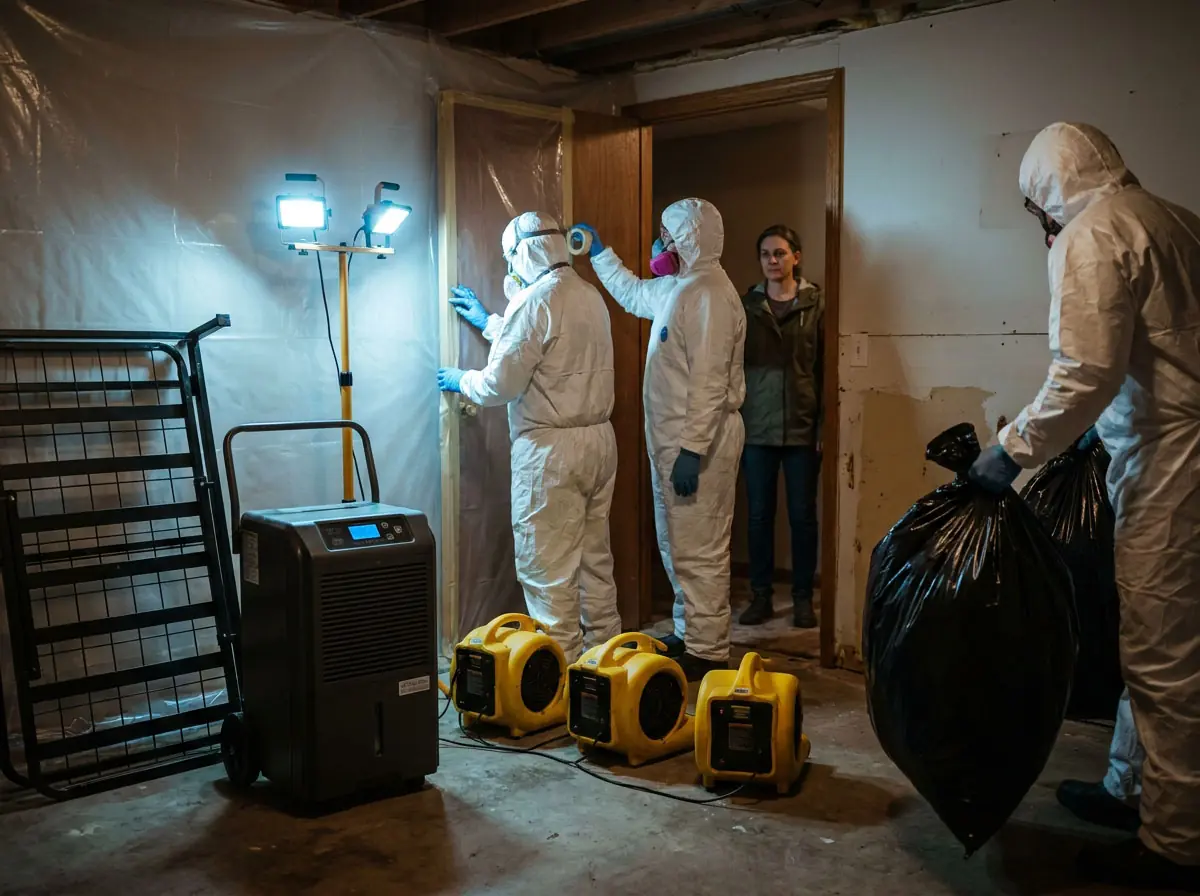
Immediate Actions: Securing Your Allentown Property After the Fire
Once the fire department clears your Allentown home, your first priority is securing the structure against unauthorized entry and the elements. Leaving a fire-damaged home open invites looters and allows rain or wind to cause secondary damage that can easily double your restoration bill.
Boarding up windows and securing doors is not just about safety; it is about preventing costly complications with your insurance provider. You must ensure the property remains protected from further exposure to prevent the claim from being disputed.
Essential Steps to Secure Your Home
- Contact a local licensed contractor to board up broken windows and seal compromised roof sections immediately.
- Notify your local Allentown police department if the property is vacant to request extra patrols while you arrange for security.
- Document everything with high-resolution photos before you move or clean a single item.
- Turn off the main electrical and gas lines if you have not already done so to prevent additional fire risks.
- Avoid walking through charred areas without professional-grade protective gear, as structural stability is often compromised.
Do not attempt to scrub away soot or remove debris yourself just yet. Every movement you make can spread toxic particles deeper into the porous materials of your home, making the eventual professional cleanup much harder and more expensive.
The Chemistry of Destruction: Why Soot Requires Urgent Professional Attention
Most Allentown homeowners think the fire damage ends once the flames are extinguished. In reality, the invisible war has just started inside your walls. The smoke and soot left behind are not just dusty residue; they are acidic chemical compounds that act like a slow-moving solvent on your surfaces.
Within hours of a fire, the soot begins to etch into porous materials. Materials like metal, drywall, and even your furniture finishes undergo a chemical transformation that turns them yellow or causes them to flake away permanently.
The Corrosive Timeline
Time is your greatest enemy when dealing with smoke damage. If you wait for the insurance adjuster to finalize paperwork, you are handing the destruction an extra week to ruin your home.
- Minutes: Acidic soot begins to discolor plastic fixtures and yellow your walls.
- Hours: Unprotected metal surfaces, like door knobs and appliances, start to pit and rust from smoke contact.
- Days: The acidic soot particles become permanently embedded in insulation and carpeting, making professional cleaning impossible without total removal.
Do not wait for the air to clear on its own. Every moment you spend hesitating is a moment where the structural integrity of your home is literally being eaten away by chemical reactions. You need to call in professional cleaning equipment that uses specific chemical neutralizers designed to halt this decay in its tracks.

Allentown Fire Recovery: A Detailed Checklist and Timeline Table
Time is the silent enemy of your investment. Once the fire is out, the chemical clock starts ticking as smoke particles embed into every porous surface of your Allentown residence.
You need a precise, calculated approach to prevent permanent structural loss. The following timeline outlines the immediate phase of recovery to ensure you stay ahead of secondary damage.
| Phase | Timeframe | Action Items |
|---|---|---|
| Stabilization | 0 to 24 Hours | Board up windows, tarp roof, water extraction |
| Assessment | 24 to 48 Hours | Structural audit, inventory list, air quality test |
| Mitigation | 2 to 5 Days | Soot cleaning, debris removal, odor control |
| Restoration | 1 Week+ | Drywall repair, electrical fixes, deep cleaning |
Following this schedule keeps you in the driver seat, preventing restoration crews from missing critical hidden damage. Keep a physical folder for every receipt, report, and correspondence to protect your settlement value.
Your Immediate Recovery Checklist
Execute these steps as soon as you have clearance from local authorities. Skipping these fundamental protections can result in denied claims or long term health risks for your family:
- Document every damaged room with high resolution photos before moving any debris.
- Contact your insurance carrier to trigger the claims process without admitting fault or confirming final losses.
- Arrange for emergency structural shoring to prevent a total roof or wall collapse.
- Begin the process of separating salvageable heirlooms from items that are beyond professional cleaning.
- Schedule a professional soot analysis to determine which materials are currently off gassing toxic chemicals.
Remember that your goal is to stop the corrosive cycle. If the air in your home still smells like burnt plastic, the acidity is likely still eating away at your copper wiring and electronic components.
Navigating Insurance Claims Without Devaluing Your Property
Insurance adjusters work for the company, not for you. Their primary goal is to close your file quickly, which often means missing the deep, microscopic damage that compromises your Allentown home long after the smoke clears.
If you accept the first check without a detailed professional assessment, you are essentially leaving your own money on the table. You need an itemized scope of work from a restoration expert before you sign a single document.
Use this checklist to ensure your claim covers every aspect of the recovery process:
- Document everything with high-resolution photos before any cleanup begins.
- Obtain a certified air quality report to prove the presence of toxic particulate matter.
- Demand that your claim includes the cost of odor neutralization, not just surface cleaning.
- Hire a public adjuster if the insurance offer fails to cover standard industry restoration practices.
Remember that acidic soot does not stop at the drywall. It settles into your HVAC systems, behind your baseboards, and inside your electronics.
If you fail to list these hidden costs upfront, you will be paying for the secondary repairs out of your own pocket later. Be firm, be thorough, and keep a paper trail of every conversation you have with your claims representative.

From Charred Ruins to Home: A Real-World Allentown Restoration Case Study
Consider a recent fire in a historic Allentown home near the Fairgrounds district. The blaze started in the kitchen, but the smoke reached every corner of the structure. The owners were initially tempted to handle the cleanup themselves using household detergents.
They quickly realized that standard cleaners only smeared the soot further into the porous surfaces of their woodwork. By the time our team arrived, the acidic residue had already begun to etch the finish off their hardwood floors and permanently discolor the drywall.
We implemented a precision-based recovery strategy to save the structure:
- Applied HEPA-filtered air scrubbers to stop cross-contamination in unaffected rooms.
- Used specialized chemical sponges to lift dry soot before introducing any moisture.
- Performed a structural deep clean of the HVAC system to ensure no lingering odors remained.
The result was a total restoration that preserved the integrity of the home. The family moved back in six weeks later, avoiding the expensive process of a full tear-down and rebuild. Taking the right action at the right moment makes the difference between a ruined investment and a fully restored home.
Selecting the Right Restoration Partners for Lehigh Valley Standards
Hiring a random contractor after a fire is a gamble that often ends in financial disaster. You need a team that understands the specific building codes and atmospheric conditions of Allentown and the broader Lehigh Valley. A partner who lacks local expertise might overlook the nuances of historical homes in our area or ignore the regional humidity levels that complicate smoke odor removal.
Before you sign a single document, verify their credentials to ensure they aren't just a generic general contractor. You want a firm that specializes in disaster recovery, not someone who simply hangs drywall.
Critical Questions to Ask Before You Hire
- Are you certified by the IICRC for fire and smoke restoration?
- Can you provide three local references from Allentown residents within the last six months?
- Do you have the specialized equipment to handle acidic soot neutralization on site?
- Will you provide a detailed, itemized estimate before starting any work?
- Is your team available 24/7 for emergency stabilization?
Look for firms that prioritize transparency and speed above all else. If they are slow to respond during the initial consultation, imagine how they will act when your project hits a snag during the renovation phase. Your property value depends on the quality of the cleanup, so demand nothing less than professional certification and a proven track record in the Lehigh Valley.
Final Words
Fire recovery is a marathon, not a sprint. Every hour you spend waiting, corrosive soot embeds itself deeper into your drywall, electronics, and structural framing.
You have a narrow window to mitigate these losses before your home suffers permanent decay. If you are currently dealing with the aftermath of a blaze, do not wait for the adjuster to dictate your future.
Take control of your property today by reaching out to our Fire Damage Restoration team. We specialize in rapid response throughout Allentown to stop the clock on secondary damage.
Your Priority Checklist for Immediate Action
- Ventilation: Open windows to circulate air, but only if the air quality outside is clear and your security is not compromised.
- Documentation: Take high-resolution photos of every room before cleaning or moving a single item.
- Safety First: Stay away from electrical outlets and structural supports until a pro verifies they are stable.
- Containment: If certain areas are untouched, keep the doors closed to prevent soot migration.
Do not gamble with the structural integrity of your largest investment. Our local crew knows exactly what local inspectors look for and how to handle the unique quirks of Lehigh Valley architecture.
Your home was built to last, and it deserves a fighting chance. Reach out now to ensure that the recovery process restores your property to its former strength.
People Also Ask
How long does fire damage restoration take in Allentown?
The duration depends on the extent of the damage, but most residential projects in the Lehigh Valley take between a few weeks to several months. Complex structural repairs and soot mitigation require careful attention to ensure the property is safe for habitation again.Should I clean soot damage myself after a fire?
You should avoid cleaning soot yourself because it contains acidic particles that can permanently etch surfaces if not treated with specialized industrial chemicals. Improper handling often releases toxic residues into the air, which can be hazardous to your respiratory health.What is the first step after a residential fire?
The most critical step is ensuring your property is secured to prevent unauthorized access and further damage from the elements. Once the local fire department clears the scene, you should contact a professional restoration firm to begin board-up services and stabilize the structure.How do I document fire damage for insurance claims?
You should take high resolution photos and videos of all damaged contents and structural elements before any cleaning begins. Following FEMA guidelines for documenting loss will help expedite your claim process and ensure you receive fair compensation for your repairs.Are fire restoration services covered by homeowners insurance?
Most standard homeowners insurance policies in Pennsylvania cover fire restoration costs, including structural repair, debris removal, and smoke odor mitigation. It is essential to review your specific policy limits and deductible requirements with your insurance adjuster early in the recovery process.Need Water Damage Restoration Services?
We provide rapid water damage restoration for homes and businesses in Allentown and surrounding communities. Our team arrives quickly to extract water and restore your property to its original condition (18101, 18102, 18103, 18104, 18109).
Request Custom Estimate